News Summary
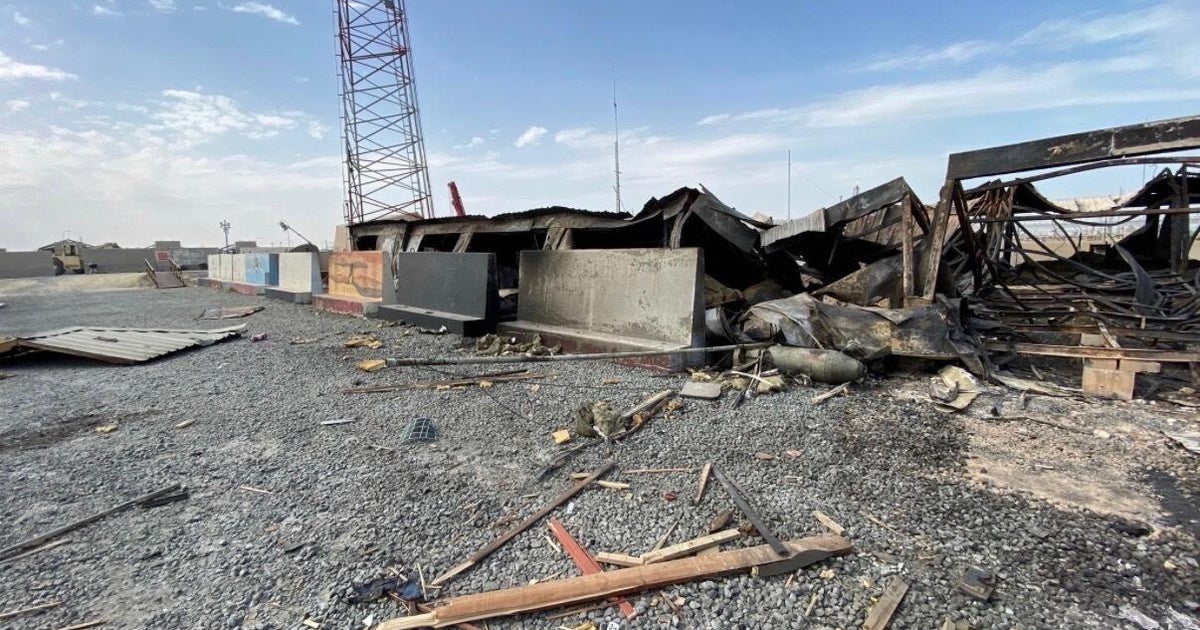
Four Democratic members of the Senate Armed Services Committee — Kirsten Gillibrand, Elizabeth Warren, Richard Blumenthal, and Mark Kelly — have opened an inquiry into whether the Pentagon adequately protected U.S. troops stationed at a command post in Kuwait before an Iranian drone attack that killed six American service members and wounded more than 20. Survivors from the Army's 103rd Sustainment Command told CBS News they believed the position was a known potential Iranian target and that the unit lacked defenses against aerial attack. Defense Secretary Pete Hegseth described the drone as a rare, isolated strike and said the tactical operations center that was hit was fortified; some survivors dispute that characterization, saying the site was not fortified against drone attack and resembled older temporary base setups with T-walls (which protect against mortars/rockets but not aerial weapons). Video and survivor accounts describe heavy casualties and trauma. The senators sent a letter to Hegseth seeking risk assessments, protection measures, and other information about the post ahead of the conflict. The Pentagon declined to comment citing an active investigation; an Assistant Secretary of Defense said measures had been taken to safeguard troops. Hegseth is scheduled to testify to the Senate Armed Services Committee following related House hearings.
Biblical Reflection
This story raises two distinct and Biblically relevant concerns: the duty of governing authorities to protect those under their charge, and the need for sober truth-seeking when lives and reputations are at stake. Scripture affirms that civil authorities bear responsibility for justice and the common good (Romans 13:1–4), and a government that sends people into harm's way must be accountable for reasonable measures to protect them. At the same time, the article shows competing narratives — official statements vs. survivors' testimony — so Christians should resist rushing to partisan conclusions before facts are established. The pastoral posture here is grief for the fallen and sympathy for survivors, coupled with a commitment to clear-eyed accountability. Behind the political framing is the broader reality that warfare is changing (drone and asymmetric threats), and institutions must adapt. The senators' probe reflects legitimate oversight; however, partisan rhetoric can obscure motive and nuance — some statements press for immediate blame, others for defensive framing. Christians should hold both leaders and institutions to biblical standards of justice and care (protecting the vulnerable, honoring the dead, pursuing truth), while avoiding cynicism or cheerleading for political advantage. Pray for thorough, transparent investigation, compassionate care for survivors and families, and systemic learning so future service members are better protected.
Scripture in context
This outlook does not yet include contextual Scripture citations. Do not treat a general biblical theme as an exegetical conclusion.
Faithful Response
No prescribed response is offered. Consider the reflection prompts below in your own church context.
Reflection and Discussion
- 1Are we responding primarily to the human cost (the fallen and wounded) or to the partisan framing of who is to blame — and how does that affect our pursuit of truth?
- 2What assumptions about military readiness and risk-management does this article expose, and how should Christians weigh calls for accountability against the realities of changing modes of warfare?
- 3Are public statements being used to protect institutions or to obscure failures — how can we, as observers, demand transparency without turning grief into political theater?
Sources
Reporting links are evidence inputs; Sanctuary News' biblical reflection is commentary.
This outlook currently relies on fewer than two linked sources. Broaden verification before teaching from it.
- 1.Original reportprimary