News Summary
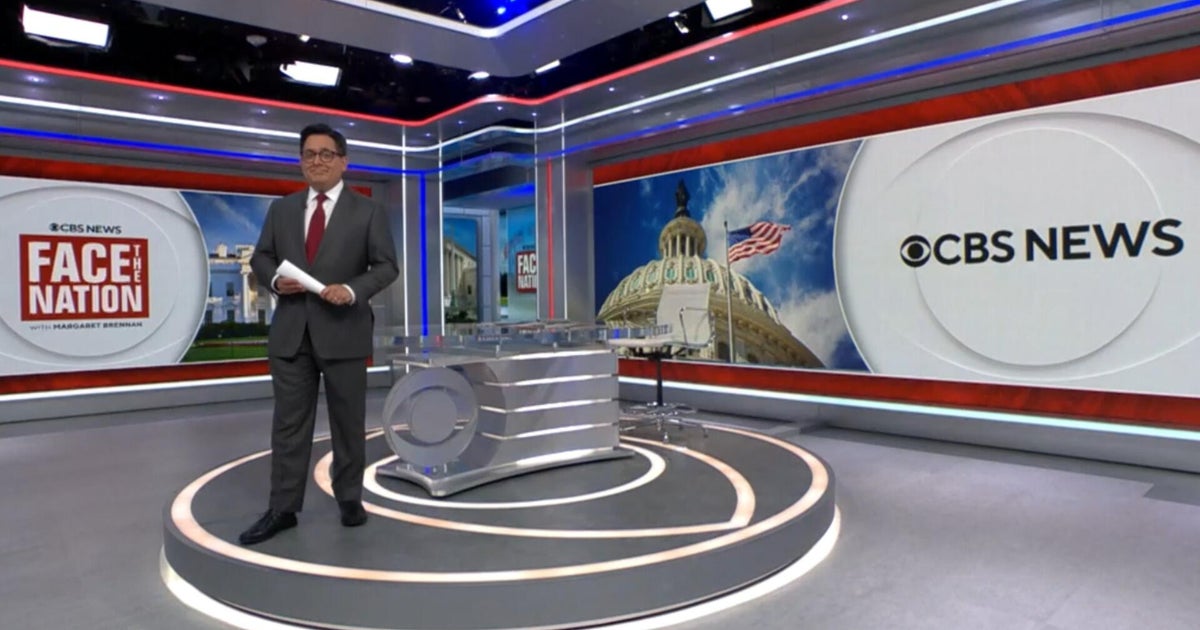
This is a full transcript of the April 5, 2026 Face the Nation broadcast (moderated by Ed O'Keefe). Guests included retired Gen. Frank McKenzie, Maryland Gov. Wes Moore, Archbishop Timothy Broglio, a political panel (Amy Walter, David Sanger, Jeff Mason), and NASA Administrator Jared Isaacman. The program covered: (1) a U.S. search-and-rescue operation after an F-15E was shot down over southwestern Iran; a weapons systems officer was found hiding and rescued after about 48 hours, flown to Kuwait for treatment, and the other pilot had been rescued earlier; U.S. officials reported use of dozens of commandos, aircraft and helicopters, CIA involvement in deception operations inside Iran, and the destruction of U.S. C-130s to prevent capture; Iran and its proxies have struck sites in the region in retaliation. (2) Military analysis from Gen. McKenzie on U.S. ability to open the Strait of Hormuz (saying it is possible by air and naval campaign, possibly raids or seizure of Kharg Island), Iran’s degraded capacity to generate mass effects, and the importance of denying mines and fast-attack craft. (3) Political and domestic impact: Gov. Wes Moore spoke about rising energy costs and economic pressures, criticized the administration’s war strategy and lack of clarity on objectives, and urged accountability and support for families. Political commentators discussed public polling, political risks for the administration, and service and budget implications. (4) Archbishop Broglio, speaking as the head of the Catholic Archdiocese for the Military Services, addressed chaplains’ ministry, just-war considerations, moral injury, and cautioned against framing war as divinely sanctioned. (5) NASA update: Jared Isaacman described Artemis II’s fly-by of the far side of the moon, life-support testing on Orion, and preparations for Artemis III and IV. The broadcast included reporting on President Trump’s public statements threatening further strikes on Iran and demanding reopening of the Strait of Hormuz.
Biblical Reflection
From a Christian perspective, several biblical concerns and virtues should shape how we receive this coverage. First, the rescue of service members and care for wounded personnel elicits natural gratitude and relief; Scripture honors protecting the vulnerable and valuing human life (e.g., Jesus’ care for the person over slogans). At the same time, the program highlights how quickly military necessity, political calculation, and national rhetoric can override sober moral reflection. The accounts feature claims about deterrence, pressure campaigns (including arming proxies), and public threats to strike infrastructure — all of which raise moral questions about proportionality, the protection of noncombatants, and whether means align with just ends. Archbishop Broglio’s invocation of just-war principles is especially important: Christianity does not automatically bless military power, and the church must ask whether war is last resort, whether objectives and exit plans are clear, and whether actions minimize harm to innocents. Beware of three common distortions in media and political framing: (1) Hero/triumpalism that emphasizes tactical success while minimizing human cost and moral ambiguity; (2) Nationalistic appeals that claim divine endorsement for political or military aims; (3) Reduction of complex moral choices to electoral calculus (how this plays politically) rather than moral due diligence. Christians should pray for leaders and families, insist on truthful public accounting of objectives and consequences, and hold firmly to peacemaking as a Christian calling even while recognizing the duty to protect the innocent. Practically, that means honoring and supporting those who serve, advocating for transparency and restraint, and resisting easy conflations of patriotism with unconditional endorsement of all state actions.
Scripture in context
This outlook does not yet include contextual Scripture citations. Do not treat a general biblical theme as an exegetical conclusion.
Faithful Response
No prescribed response is offered. Consider the reflection prompts below in your own church context.
Reflection and Discussion
- 1What assumptions about necessity and proportionality of force does the broadcast accept or leave unexamined, and where does it privilege military explanation over moral or diplomatic alternatives?
- 2Whose voices are centered (military leaders, political actors, chaplains, affected families) and whose are absent (Iranian civilians, independent humanitarian observers); how does that shape what you take to be the moral facts?
- 3When public leaders invoke God or religious language to justify policy, what criteria should Christians use to test whether that invocation aligns with Christ’s call to peace and the protection of the innocent?
Sources
Reporting links are evidence inputs; Sanctuary News' biblical reflection is commentary.
This outlook currently relies on fewer than two linked sources. Broaden verification before teaching from it.
- 1.Original reportprimary