News Summary
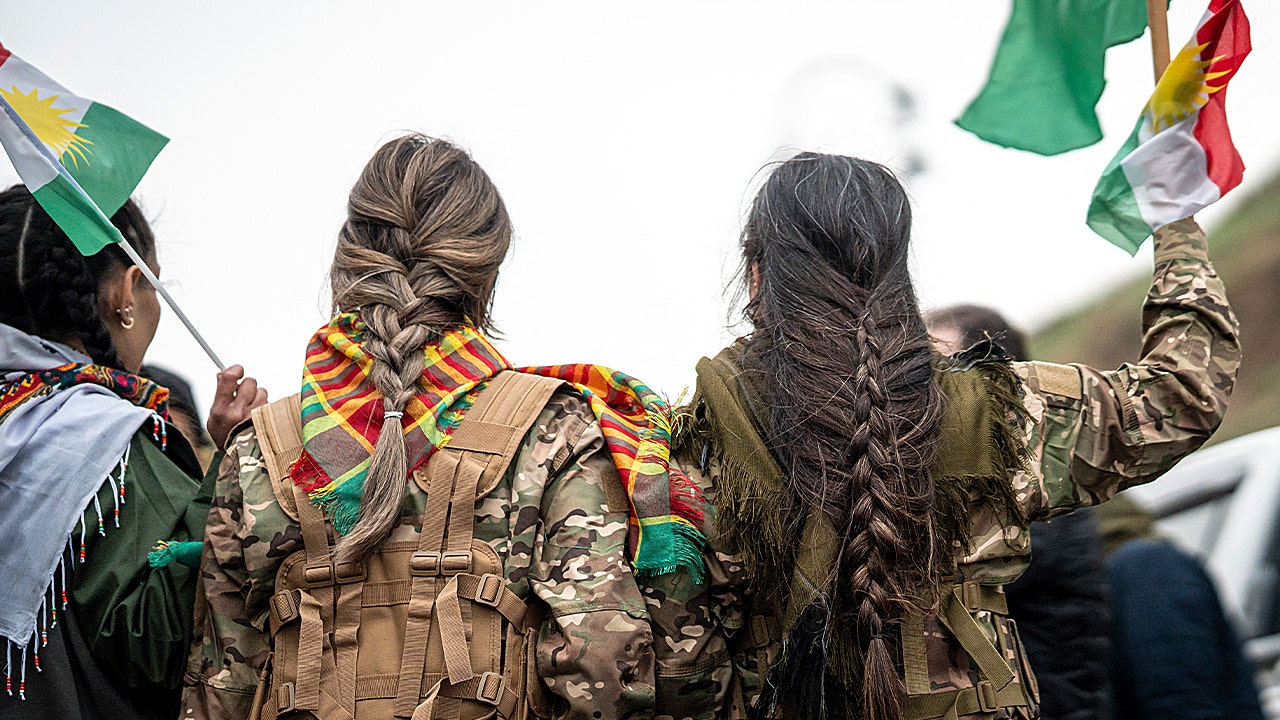
A video surfaced of a Syrian militiaman holding what he claims to be the severed braid of a female Kurdish fighter killed in Raqqa. The video, filmed as Damascus expands its control in northeastern Syria during a fragile ceasefire, sparked outrage and led to Kurdish women braiding their hair in protest. The braid, significant in Kurdish culture, has become a symbol of women's resistance. The woman's identity remains unverified, and the militiaman later claimed the braid was artificial and meant as a joke. The situation highlights Kurdish fears about Syrian government control, especially as fighting and political tension continue between Syrian government forces and the Kurdish-led Syrian Democratic Forces (SDF). The U.S. has intervened diplomatically, brokering a 15-day ceasefire extension amid ongoing violence and security concerns, particularly regarding ISIS prisoners. However, fundamental disagreements about integration and political power remain unresolved, leaving the region's peace and stability uncertain.
Biblical Reflection
This story is a sobering reminder of the depths of human cruelty and the power of symbols in times of conflict. The act of displaying a severed braid—whether real or staged—dehumanizes the victim and mocks the pain of a grieving community. Scripture calls us to recognize the dignity of every person, created in God's image (Genesis 1:27), and to mourn with those who mourn (Romans 12:15). The cycle of violence, humiliation, and retaliation depicted here stands in direct opposition to Jesus’ teachings on loving one's enemies and pursuing peace (Matthew 5:9, 43-44). The Kurdish women's response—braiding their hair in solidarity—reflects a peaceful but powerful resistance, echoing the biblical call to overcome evil with good (Romans 12:21). The ongoing conflict, unresolved grievances, and fragile ceasefire should prompt Christians to intercede for true justice, reconciliation, and protection for the vulnerable. As followers of Christ, we are called not only to reject all forms of violence and humiliation but also to be agents of peace, advocating for the dignity and safety of all peoples caught in war.
Scripture in context
This outlook does not yet include contextual Scripture citations. Do not treat a general biblical theme as an exegetical conclusion.
Faithful Response
No prescribed response is offered. Consider the reflection prompts below in your own church context.
Reflection and Discussion
- 1How can I stand in solidarity with those who suffer humiliation and violence, even from afar?
- 2In what ways can I be an agent of peace and reconciliation in a world so often marked by conflict?
- 3What does it mean to overcome evil with good in situations of injustice and cruelty?
Sources
Reporting links are evidence inputs; Sanctuary News' biblical reflection is commentary.
This outlook currently relies on fewer than two linked sources. Broaden verification before teaching from it.
- 1.Original reportprimary