News Summary
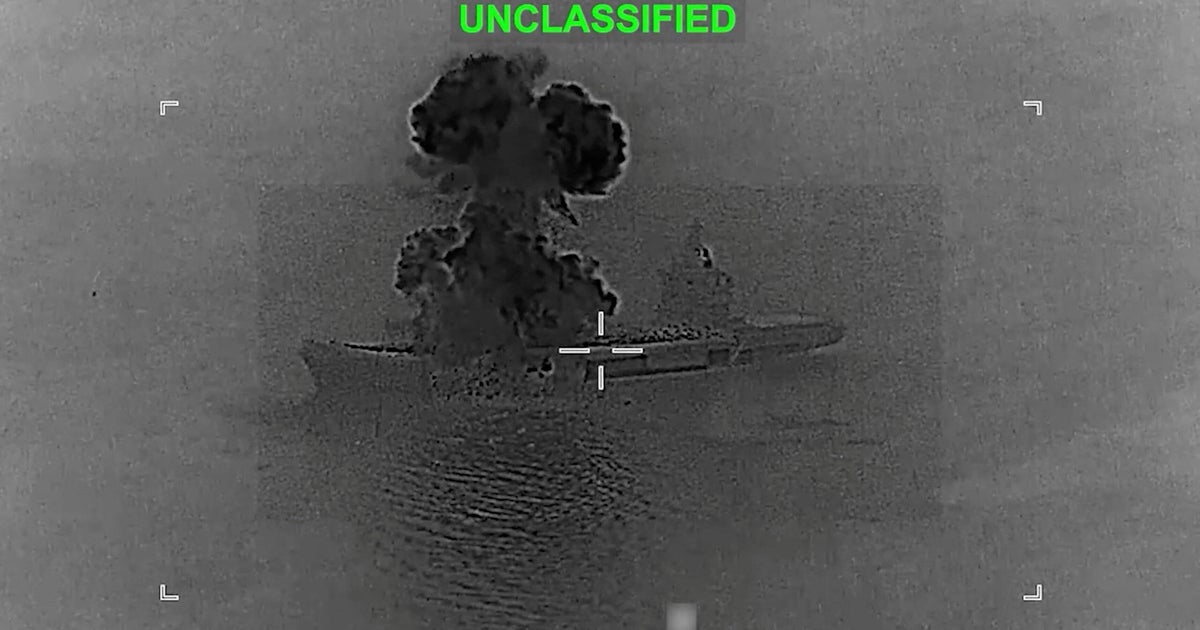
CBS News reports that the U.S. and Israel’s war with Iran has entered its second week. The Defense Department says seven U.S. service members have been killed; Iranian officials report more than 1,300 civilian deaths (a figure CBS News cannot independently verify). U.S. Central Command says more than 5,000 targets were struck and 50 Iranian vessels were damaged or destroyed in the first 10 days of the conflict. The CBS News Data Team compiled a map and chart of known strike locations attributed to U.S., Israeli and Iranian forces using government statements, reporting, satellite imagery verification, Associated Press material and research from institutes such as the Institute for the Study of War.
Biblical Reflection
Viewed through Scripture, this news is a stark reminder of the human cost of armed conflict. Biblical teaching consistently honors the protection of the innocent, the call to pursue peace, and the obligation of leaders to act justly. Numbers and maps can clarify who struck what and where, and they serve a legitimate role in accountability and humanitarian response. Yet they also risk turning living people into statistics—making the slaughter abstract and easier to accept. Christians must refuse that normalization. We are called to mourn with those who mourn (Romans 12:15), to pursue peace (Matthew 5:9), and to hold rulers to moral standards rather than celebrate strategic gains. At the same time, Scripture does not naively forbid defense of the vulnerable; it requires wisdom about means, proportionality, and the protection of noncombatants (the biblical ethic of neighbor-love and justice). Therefore our response should include urgent prayer for civilians and service members, insistence on truthful transparency from authorities, advocacy for humanitarian corridors and aid, and active peacemaking—pushing for diplomacy and negotiations that prioritize life. Where rhetoric dehumanizes the enemy or justifies indiscriminate strikes, Christians must speak a different word: lament, repentance, compassion, and insistence on accountability. Ultimately the gospel calls us to be agents of reconciliation and care—comforting victims, tending refugees, and urging leaders toward just peace rather than revenge.
Scripture in context
This outlook does not yet include contextual Scripture citations. Do not treat a general biblical theme as an exegetical conclusion.
Faithful Response
No prescribed response is offered. Consider the reflection prompts below in your own church context.
Reflection and Discussion
- 1When I read casualty figures and maps, whose faces and stories do I need to remember so these are not just numbers?
- 2How can I pray for and practically support victims, refugees, and service members affected by this conflict?
- 3In what ways should I call my leaders and fellow Christians to prioritize peacemaking and protection of civilians over triumphalism?
Sources
Reporting links are evidence inputs; Sanctuary News' biblical reflection is commentary.
This outlook currently relies on fewer than two linked sources. Broaden verification before teaching from it.
- 1.Original reportprimary