News Summary
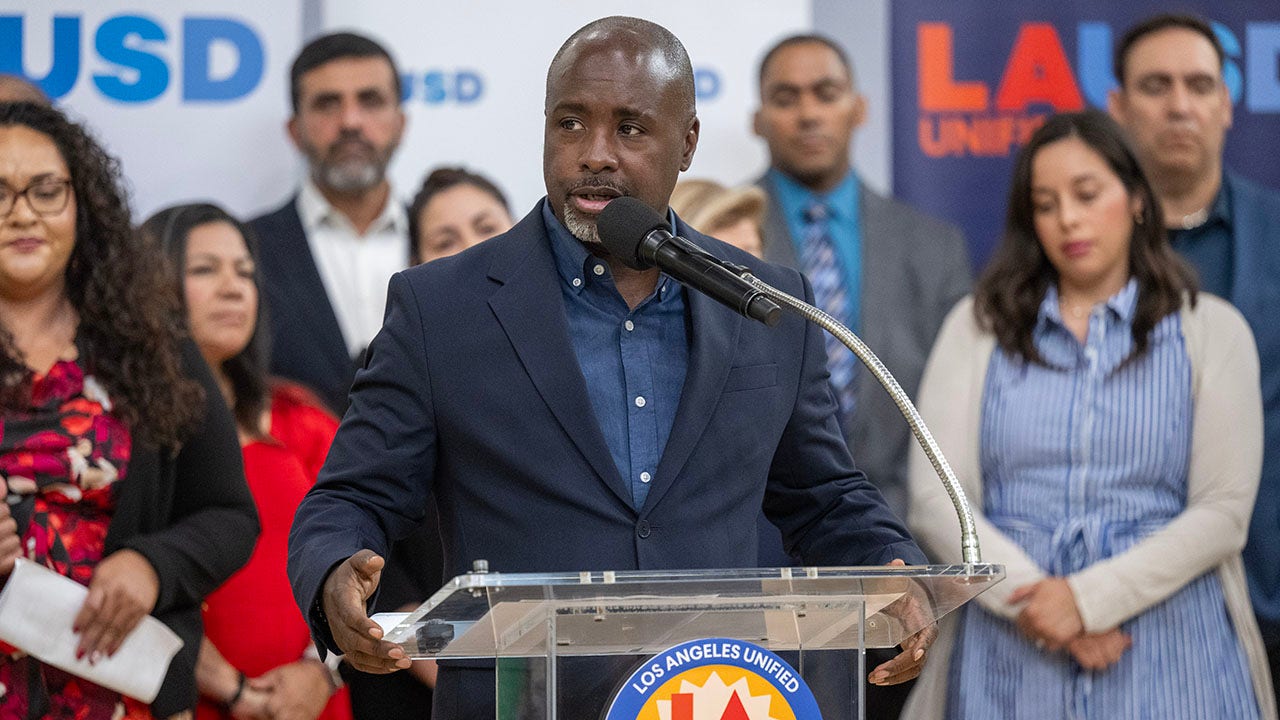
Los Angeles City Council President Marqueece Harris-Dawson was stopped on March 4 by a Los Angeles School Police officer for making a U-turn in a school zone and received a $238 moving-violation citation. News reports say Harris-Dawson allegedly called a Los Angeles Unified School District official during the stop. The Los Angeles Police Protective League (LAPPL) wrote to the City Attorney and county District Attorney asking for an investigation into whether Harris-Dawson used his position to avoid accountability, requesting disclosure of who was called and whether officers were contacted. Harris-Dawson, who is Black, described the stop as possibly racially motivated and “traumatic,” saying he has been stopped multiple times while driving a government vehicle and that traffic-stop data in Los Angeles show racial bias. The LAPPL characterized any attempt by an elected official to use influence to avoid a traffic citation as unethical and potentially illegal. City and DA offices had not immediately responded to requests for comment in the article.
Biblical Reflection
This story touches on two biblical concerns: the proper use of authority and the pursuit of justice for those who may be wronged. Scripture repeatedly warns that power brings responsibility (James 3:1; Luke 12:48) and that leaders must live with integrity (1 Timothy 3:1–7, Titus 1:7–9). If an elected official used their office to influence the outcome of a traffic stop, that would be an abuse of authority and a breach of public trust that the Bible condemns (Proverbs 29:2 speaks of leaders who pervert justice). Conversely, allegations of racial profiling raise the biblical imperative to defend the vulnerable and seek justice for the oppressed (Isaiah 1:17; Micah 6:8). The Christian response should refuse both a reflexive cover-up and a reflexive dismissal: we should demand transparent investigation and accountability while also listening carefully to claims of discrimination. Practically, this means supporting an impartial inquiry, praying for truth and repentance where needed, and working toward systems that prevent both abuse of power and racially biased policing. Christians must hold leaders to higher moral standards without turning allegations into political theater; pursue truth with humility; and remember mercy alongside justice (James 2:13).
Scripture in context
This outlook does not yet include contextual Scripture citations. Do not treat a general biblical theme as an exegetical conclusion.
Faithful Response
No prescribed response is offered. Consider the reflection prompts below in your own church context.
Reflection and Discussion
- 1How do I balance the call for justice with the call for mercy when public leaders are accused of wrongdoing?
- 2Am I quick to assume guilt or innocence in such cases, and how can I instead pray for truth and support fair processes?
- 3In my own life, where might I be tempted to use influence to avoid responsibility, and what steps will I take to choose integrity?
Sources
Reporting links are evidence inputs; Sanctuary News' biblical reflection is commentary.
This outlook currently relies on fewer than two linked sources. Broaden verification before teaching from it.
- 1.Original reportprimary