News Summary
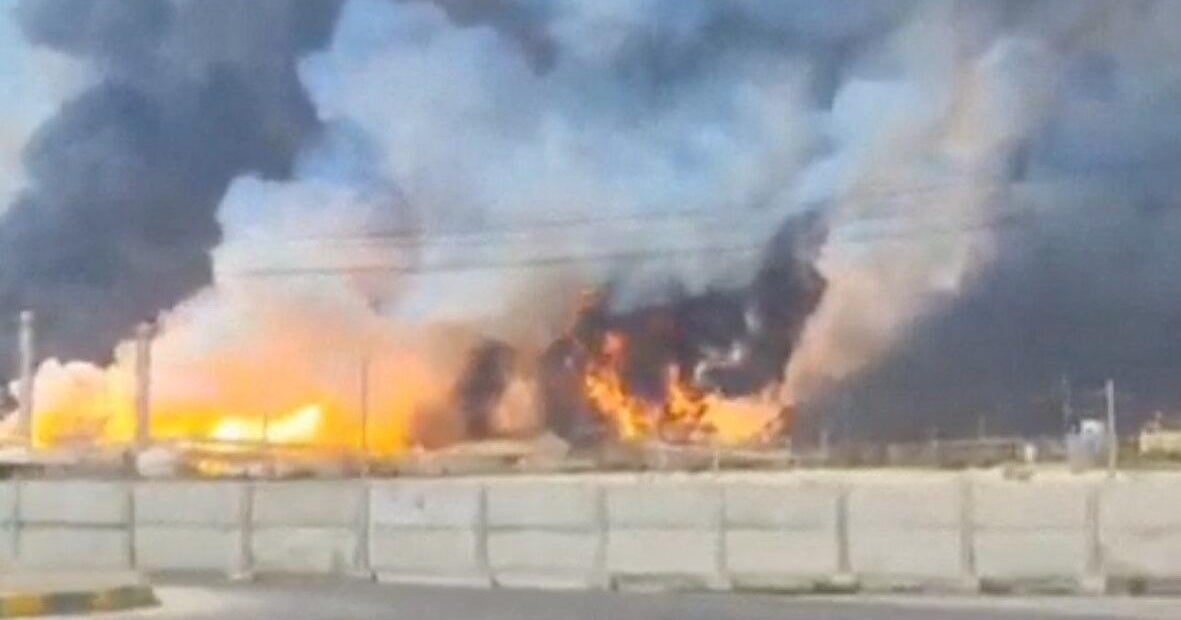
Israeli forces said they struck significant Iranian naval infrastructure in the Caspian Sea and an Iranian gas field (South Pars) was reportedly hit in an operation that Israel has not publicly confirmed. Iran retaliated with waves of missile and drone strikes across the Gulf, hitting energy facilities in Qatar, Kuwait, Saudi Arabia and the UAE, and paralyzing traffic through the Strait of Hormuz. Gulf states, Iraq and several Western nations condemned attacks on civilian energy infrastructure and called for de-escalation. Markets reacted sharply: global oil and natural gas prices spiked, stock indices fell, and analysts warned of stagflation risks and higher consumer energy costs. U.S. officials said strikes have targeted hundreds of Iranian military sites and requested large additional war funding; allies are discussing limited logistical support such as mine-clearance and safe-passage operations but have been hesitant to join offensive combat. The conflict has caused civilian casualties and damage, disrupted commercial satellite imagery access for security reasons, and raised concerns about wider regional escalation and economic fallout, including higher gasoline costs for American households.
Biblical Reflection
Viewed through Scripture, this story raises clear moral concerns. The intentional or indiscriminate targeting of infrastructure that provides for civilians — energy facilities, shipping lanes, and ports — makes innocent people the immediate victims of geopolitical conflict. Jesus taught love of neighbor (Mark 12:31) and peacemaking (Matthew 5:9); Christians should therefore be skeptical of strategies that prioritize military advantage at the predictable cost of civilian livelihoods, food and fuel security, and the poorest in society. Leaders carry responsibility before God to pursue justice and protect the vulnerable (Proverbs 29:2; Romans 13:1–4 read in light of prophetic accountability). Rhetoric that threatens “total destruction” of essential resources risks vindictiveness and escalatory pride rather than measured justice and proportionality. Economically, the sharp rise in energy prices disproportionately harms low-income families — calling for prudent stewardship, solidarity, and public policies that protect the most vulnerable.
At the same time, Scripture recognizes that rulers may use force to restrain evil (Romans 13), so discernment is required: we should distinguish between legitimate, limited defense intended to protect life and punitive campaigns that deepen cycles of violence and harm civilians. Christians are called to pray for wisdom for leaders, to lament the loss of life, and to act mercifully toward those affected. Practically, the Bible’s emphasis on seeking peace, pursuing justice, and caring for those in need should shape Christian responses: advocate for diplomatic solutions, humanitarian access, restraint from targeting civilian infrastructure, and tangible aid to people harmed by the conflict and economic shock.
Scripture in context
This outlook does not yet include contextual Scripture citations. Do not treat a general biblical theme as an exegetical conclusion.
Faithful Response
No prescribed response is offered. Consider the reflection prompts below in your own church context.
Reflection and Discussion
- 1Where can I pray for peacemakers and for protection of civilians affected by this conflict?
- 2How can I respond practically (giving, advocacy, local assistance) to help those who will suffer from rising energy costs and economic fallout?
- 3Am I allowing partisan or nationalistic rhetoric to harden my heart against the call to seek justice and mercy for all affected peoples?
Sources
Reporting links are evidence inputs; Sanctuary News' biblical reflection is commentary.
This outlook currently relies on fewer than two linked sources. Broaden verification before teaching from it.
- 1.Original reportprimary