News Summary
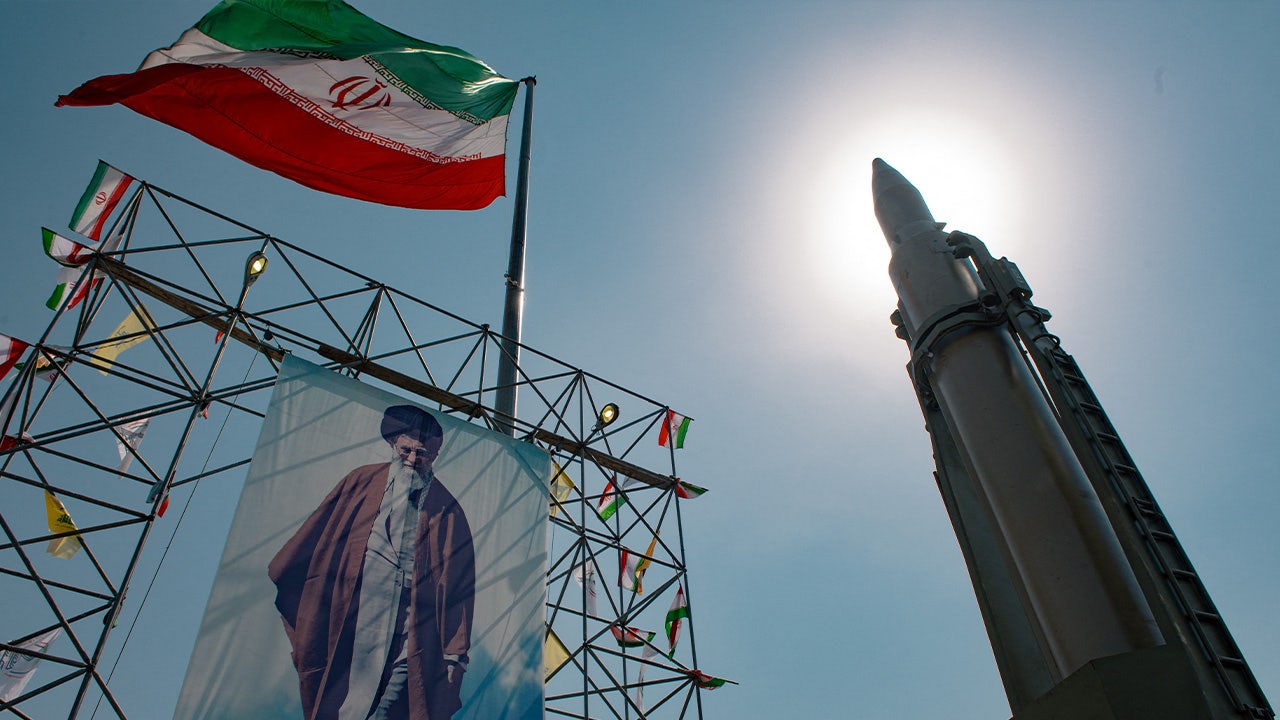
The article discusses new concerns over Iran’s alleged chemical weapons program, as detailed in a report by the Foundation for the Defense of Democracies (FDD). While global attention has largely focused on Iran’s nuclear ambitions, the FDD report contends that the Iranian regime has used chemical weapons against protesters amid recent unrest that began in late 2025. Such actions would violate Iran's commitments under the 1997 Chemical Weapons Convention (CWC). Calls have been made for the U.S., its allies, and the Organization for the Prohibition of Chemical Weapons (OPCW) to investigate these allegations. The article details growing military tensions, with increased U.S. naval presence in the region and ongoing indirect negotiations between Iran and the U.S. Israel and other actors are reportedly concerned about Iran’s chemical and nuclear capabilities, with some urging preemptive or retaliatory strikes against Iranian weapons facilities. Iran denies the accusations, positioning itself as a victim of Western hostility. The article also notes historical context, including Iran’s development of chemical weapons during the Iran-Iraq war, and highlights ongoing international debate over how best to contain Iran’s weapons programs.
Biblical Reflection
From a Christian perspective, the reported use of chemical weapons against civilians, especially protesters seeking justice or reform, is deeply troubling and stands in stark opposition to biblical teachings on the sanctity of life and the pursuit of justice (Micah 6:8, Psalm 82:3-4). The Bible consistently condemns violence against the innocent and the abuse of power. The potential for escalation and further military action raises questions about the cycle of retaliation and vengeance, which Jesus warns against (Matthew 5:38-39). While authorities are called to restrain evil (Romans 13:1-4), the use of indiscriminate or disproportionate violence—especially against one's own people—cannot be reconciled with the love, mercy, and justice God desires. Christians are reminded to pray for peace, truth, and accountability, advocating for the oppressed and urging leaders to act with integrity. The situation underscores the need to seek nonviolent solutions, uphold international law, and remember the dignity of every person, regardless of nationality or politics.
Scripture in context
This outlook does not yet include contextual Scripture citations. Do not treat a general biblical theme as an exegetical conclusion.
Faithful Response
No prescribed response is offered. Consider the reflection prompts below in your own church context.
Reflection and Discussion
- 1How can we advocate for justice and peace in a world where power is so often abused?
- 2In what ways are we called to respond when we witness the suffering of others, even from afar?
- 3What does it mean to love kindness and walk humbly in the face of complex global conflicts?
Sources
Reporting links are evidence inputs; Sanctuary News' biblical reflection is commentary.
This outlook currently relies on fewer than two linked sources. Broaden verification before teaching from it.
- 1.Original reportprimary