News Summary
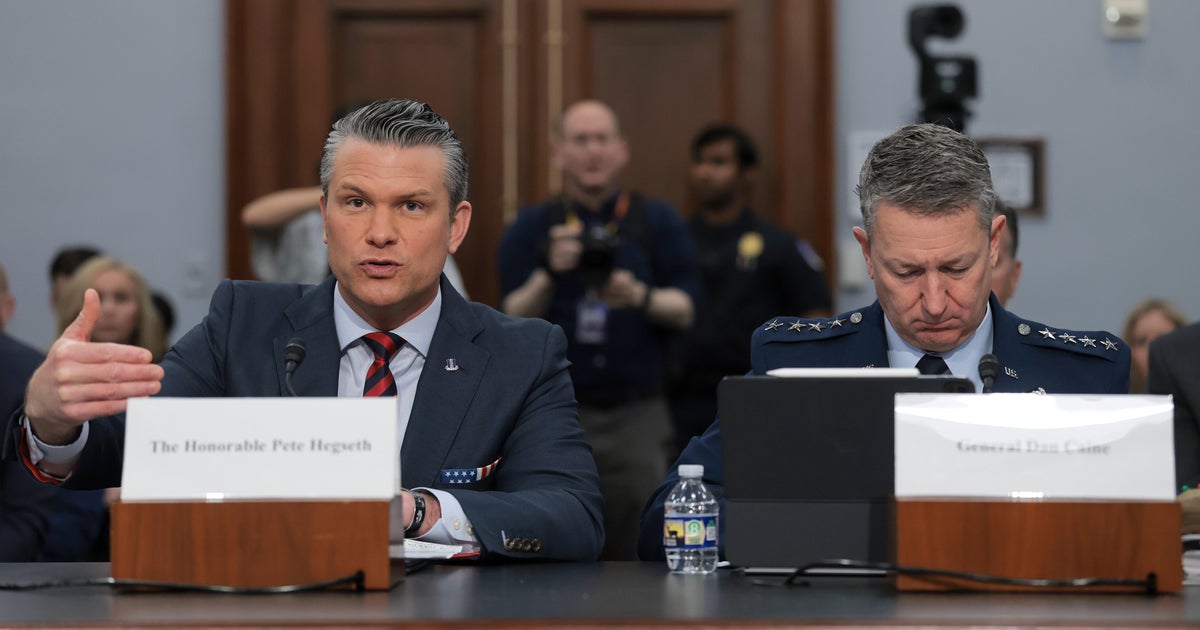
Defense Secretary Pete Hegseth and Joint Chiefs Chairman Gen. Dan Caine testified Tuesday before House and Senate Appropriations subcommittees that oversee Pentagon budget requests. The Trump administration submitted a fiscal year 2027 defense budget proposal of $1.5 trillion, which the department says would be a 42% increase over 2026 levels. Hegseth described the request as a "historic" but "fiscally responsible" budget and said the administration views the size of the request as reflecting "the urgency of the moment." Lawmakers from both parties raised concerns: Democrats questioned whether the administration has presented Congress a clear strategy or proper war authorization for operations related to the Iran conflict, and some Republicans and Democrats in the Senate signaled support for measures to limit presidential war powers. Hegseth said there are plans for escalation and for shifting assets but declined to provide operational details in the hearings. Acting Pentagon comptroller Jules Hurst said the Pentagon would provide a supplemental request for Iran-related costs, though the White House later indicated it does not plan to issue one. Committee chair Tom Cole warned against relying on reconciliation to fund military operations, saying it could create fiscal "cliffs" when temporary provisions expire. Hegseth and Hurst reiterated recent cost estimates for the conflict — previously reported as $25 billion and updated to $29 billion — while some internal assessments suggested higher potential totals.
Biblical Reflection
From a Christian perspective, this story raises two central concerns: wise stewardship of resources and accountable leadership in matters of war and peace. Scripture affirms that rulers are entrusted with authority (Romans 13:1–4) and that communities flourish under counsel and oversight (Proverbs 11:14). The article presents factual reporting of budget numbers and congressional pushback, but it leaves out deeper questions that Christians should weigh: what are the moral and humanitarian implications of escalating conflict; have nonmilitary avenues been exhausted; and who bears long-term costs — financially and humanly — of large, rapid defense buildups? Politically, the reporting includes partisan reactions (both critique and defense) and some ambiguity about strategy and authorization; readers should be alert to framing that normalizes large military spending without exploring alternatives or accountability mechanisms. Biblically informed discernment calls Christians to pray for leaders, insist on transparent oversight, and prioritize peacemaking while recognizing the legitimate role of governments to protect citizens. Hold fast to truth, demand clear public justification for the use of force and public funds, and remain compassionate toward those affected by war.
Scripture in context
This outlook does not yet include contextual Scripture citations. Do not treat a general biblical theme as an exegetical conclusion.
Faithful Response
No prescribed response is offered. Consider the reflection prompts below in your own church context.
Reflection and Discussion
- 1Does the coverage assume that increased military spending is the default solution, or does it adequately consider diplomatic and humanitarian alternatives?
- 2Where is the public record on strategy and authorization lacking, and what does that imply about accountability between the executive branch and Congress?
- 3How should Christians weigh fiscal stewardship and the call to protect the vulnerable when evaluating proposals for large increases in defense spending?
Sources
Reporting links are evidence inputs; Sanctuary News' biblical reflection is commentary.
This outlook currently relies on fewer than two linked sources. Broaden verification before teaching from it.
- 1.Original reportprimary