News Summary
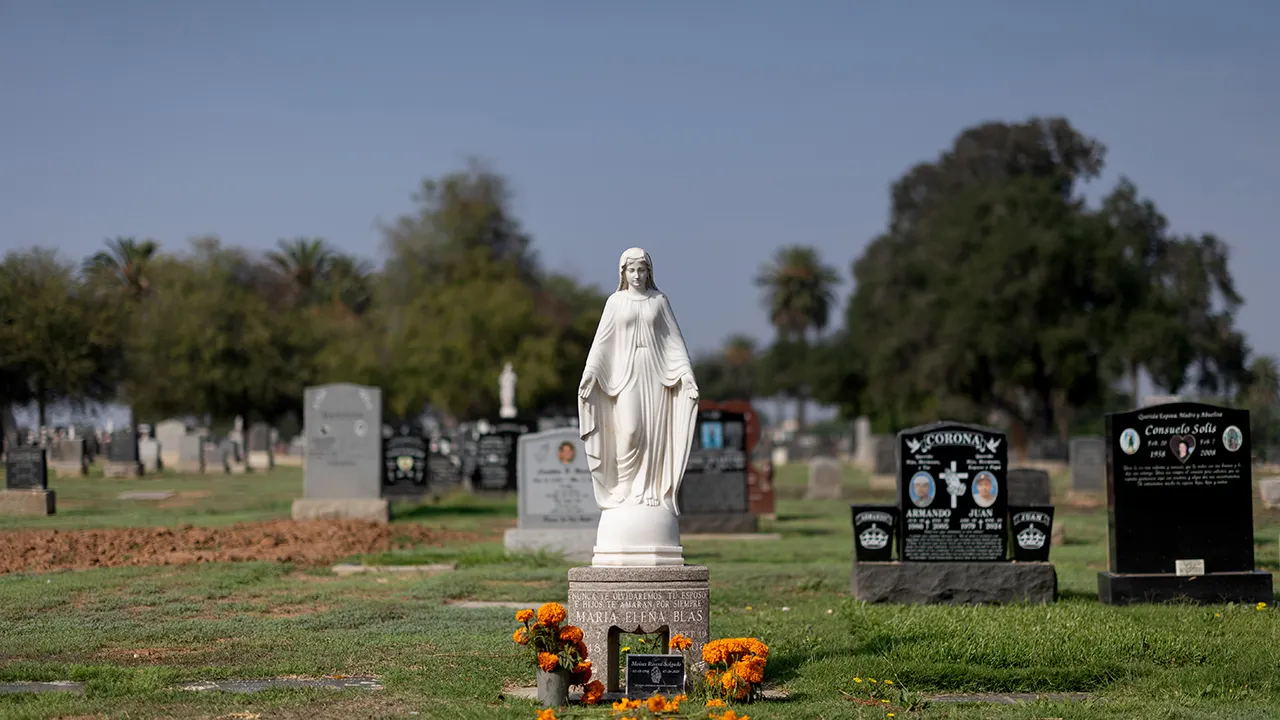
A cemetery in the San Francisco Bay Area removed a banner advertising a new Islamic memorial garden after it was draped over an on-site 9/11 memorial, prompting backlash from local residents. The cemetery owner said he sold part of the property to a Muslim family and permitted signage but did not authorize placing it over the 9/11 installation; he arranged for the banner’s removal. Neighbors and family members of those buried there expressed that the banner’s placement was disrespectful to the memory of victims and to grieving relatives. The story highlights tensions among property usage, religious expression, and sensitivity to the feelings of survivors and the broader community.
Biblical Reflection
From a biblical perspective this story raises several interlocking moral concerns: respect for the grieving, the dignity of religious minorities, and the pursuit of peace in community life. Scripture repeatedly calls Christians to honor the dead and comfort the mourning (e.g., Romans 12:15), which can make gestures perceived as intrusive or insensitive wound the hearts of survivors. At the same time, Scripture forbids judgmental hatred or prejudice toward those of different faiths (James 2:1–9; Matthew 7:1–2). Two temptations are evident: (1) an understandable protectiveness of sacred memory slipping into exclusion or scapegoating of an entire religious group, and (2) an equally understandable desire by the new landowners to practice their faith and mark their portion of property that can appear tone-deaf when placed over a memorial to a traumatic event. The biblical imperative to love our neighbor (Matthew 22:39) and to pursue peace (Romans 12:18) points toward a third way: honest, humble conversation and practical accommodation that honors both the sanctity of a memorial and the religious freedom and dignity of the Muslim family. Christians should resist quick tribalizing responses that equate an entire people with the acts of terrorists, and should model empathy toward those who are grieving while advocating for respectful boundaries. Practically, the church’s role is to comfort the bereaved, oppose discrimination, promote reconciliation, and help foster local solutions—clear signage placement rules, proactive communication when property changes hands, and mediated dialogue when conflicts arise. Where anger or fear exist, Scripture calls for repentance of sinful prejudice and for active peacemaking that protects the vulnerable and preserves the dignity of all involved.
Scripture in context
This outlook does not yet include contextual Scripture citations. Do not treat a general biblical theme as an exegetical conclusion.
Faithful Response
No prescribed response is offered. Consider the reflection prompts below in your own church context.
Reflection and Discussion
- 1Where might my own fears or assumptions about a group be influencing how I respond to stories like this?
- 2How can I balance honoring the memory of victims and comforting the grieving while also resisting prejudice toward an entire religious community?
- 3What practical steps could I support in my community to prevent similar painful misunderstandings and to promote respectful dialogue?
Sources
Reporting links are evidence inputs; Sanctuary News' biblical reflection is commentary.
This outlook currently relies on fewer than two linked sources. Broaden verification before teaching from it.
- 1.Original reportprimary