News Summary
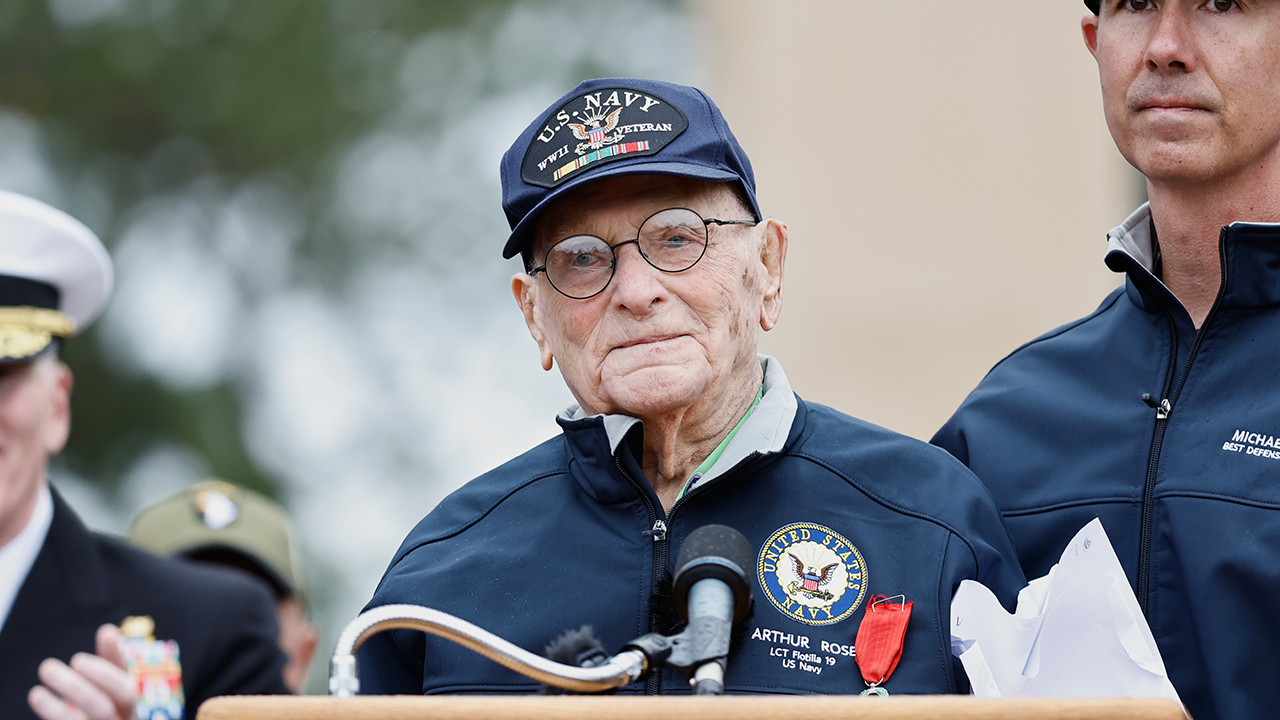
At a ceremony in Colleville-sur-Mer, Normandy, marking the 82nd anniversary of D-Day, World War II veteran Arthur Rose read a letter he had written a few days after June 6, 1944. In the letter Rose describes learning he would take part in the invasion, the preparations at the assault port, the rough seas and initial postponement, and the landing and subsequent supply operations. He characterizes his pre-invasion feeling as neither fear nor excitement but a mix of nervousness and expectancy. While reading, Rose paused and said he did not remember writing the letter; he concluded the reading with a closing, "Love, Art." The report includes photos and standard news credits and appears as a human-interest commemoration piece.
Biblical Reflection
This article preserves a firsthand memory of a pivotal historical event and invites gratitude for those who served. Its intentions are primarily commemorative and human-interest: to honor veterans, record personal testimony, and help contemporary audiences connect emotionally with history. The piece largely aligns with factual testimony—quoting a primary-source letter—and does not advance contested claims. Through a Christian lens, the article calls us to truthful remembrance and compassionate attention to veterans' stories, while also prompting sober reflection on the cost of war. Be wary of sentimental framing that might romanticize combat; honoring sacrifice should lead Christians to pray for peace, support survivors and families, and pursue justice and reconciliation wherever possible.
Scripture in context
This outlook does not yet include contextual Scripture citations. Do not treat a general biblical theme as an exegetical conclusion.
Faithful Response
No prescribed response is offered. Consider the reflection prompts below in your own church context.
Reflection and Discussion
- 1How does remembering individual testimony about war shape our responsibility to care for veterans and prevent future conflict?
- 2Are we listening to veterans in ways that lead to concrete support, or only to symbolic remembrance?
- 3Does commemorating military sacrifice risk romanticizing war, and how should Christians balance honor with a call to peace?
Sources
Reporting links are evidence inputs; Sanctuary News' biblical reflection is commentary.
This outlook currently relies on fewer than two linked sources. Broaden verification before teaching from it.
- 1.Original reportprimary