News Summary
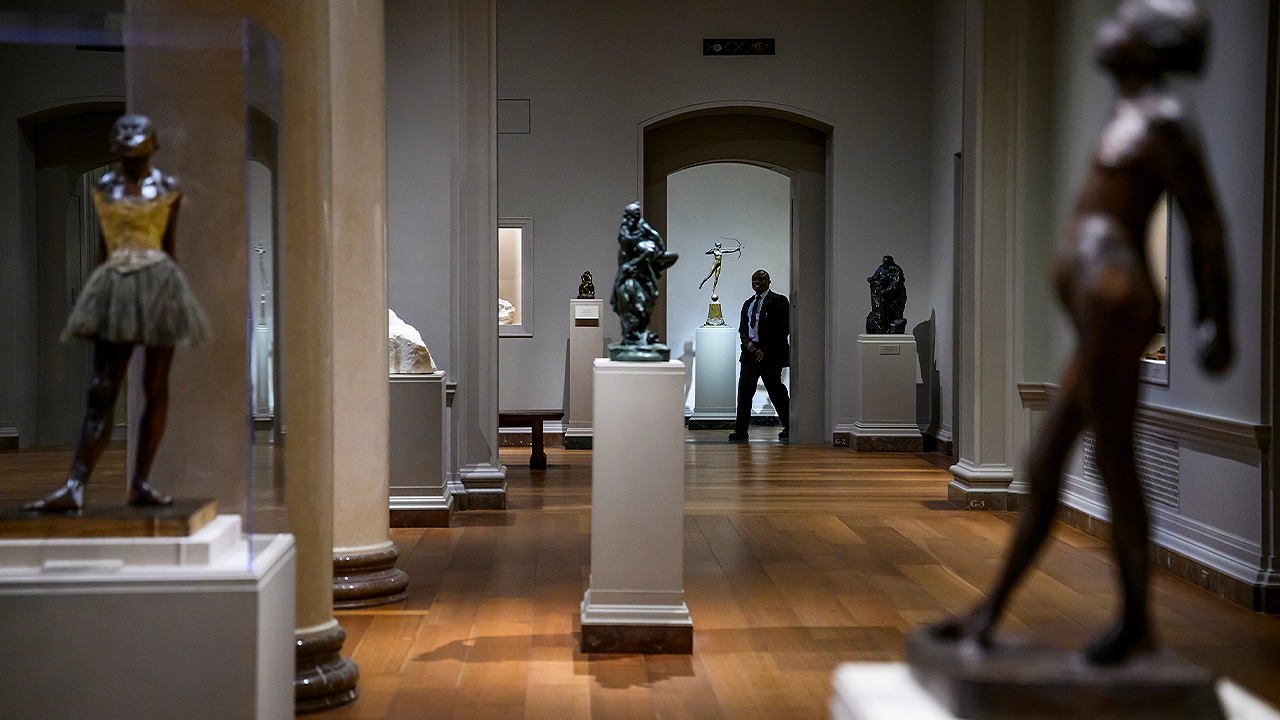
In the night of March 22–23, works attributed to Pierre-Auguste Renoir, Paul Cézanne and Henri Matisse were stolen from the Magnani Rocca Foundation in Italy. Geoff Kelly, a retired FBI agent who served on the bureau's Art Crime Team, told Fox News that art thefts are more common than public perception and often take the form of relatively simple “smash-and-grab” or opportunistic crimes rather than highly elaborate conspiracies. He said museums are inherently vulnerable because they are designed to be open and accessible to the public, and recommended practical security improvements—such as moving high-value works away from exits, using more secure mounting hardware, and upgrading surveillance—to slow thieves and allow law enforcement more time to respond. Kelly also noted that selling well-known stolen masterpieces is difficult today due to image searches and increased surveillance, and that modern investigative tools (cameras, license-plate readers) leave trails that can help identify suspects. The article references the unsolved 1990 Isabella Stewart Gardner Museum theft in Boston as an example of a major museum heist and warns that U.S. institutions should review security in light of overseas incidents.
Biblical Reflection
From a Christian perspective, the article highlights two clear concerns: the reality of human sin (the deliberate taking of what belongs to others) and the responsibility of stewardship. The theft of irreplaceable artworks is not merely a financial crime but a violation against shared cultural and historical heritage—goods entrusted to institutions for the public good. The expert’s practical recommendations square with Christian prudence: reasonable steps to protect what has been entrusted to us are wise and responsible. Be wary, however, of narratives that sensationalize crime without context. The piece relies on a single expert voice (a retired FBI agent), emphasizes the dramatic aspects of theft, and generalizes from specific overseas incidents to imply equal vulnerability everywhere without detailing budgetary, staffing, or policy constraints museums face. Christians should assess such reporting with discernment: affirm the call to protect and restore what is stolen, seek justice for wrongdoing (Romans 13:1–4), and resist cynicism that assumes inevitability of loss. At the same time, maintain humility about solutions—security improvements require resources, training, and community support—and avoid scapegoating museum staff. Ultimately, the story invites stewardship (protecting what is entrusted to our care), pursuit of justice (recovering stolen goods and holding perpetrators accountable), and compassion (addressing underlying brokenness that leads to crime) rather than mere fear or spectacle.
Scripture in context
This outlook does not yet include contextual Scripture citations. Do not treat a general biblical theme as an exegetical conclusion.
Faithful Response
No prescribed response is offered. Consider the reflection prompts below in your own church context.
Reflection and Discussion
- 1Whose perspectives are missing in this coverage (museum staff, local law enforcement, funders, or community members), and how would their voices change the story’s implications?
- 2Does the article conflate the ease of physically removing objects with the ability to monetize or profit from them, and how does that affect how we assess the actual threat to institutions?
- 3How should Christians balance prudent protection of cultural goods with openness and hospitality—values museums are designed to foster?
Sources
Reporting links are evidence inputs; Sanctuary News' biblical reflection is commentary.
This outlook currently relies on fewer than two linked sources. Broaden verification before teaching from it.
- 1.Original reportprimary