News Summary
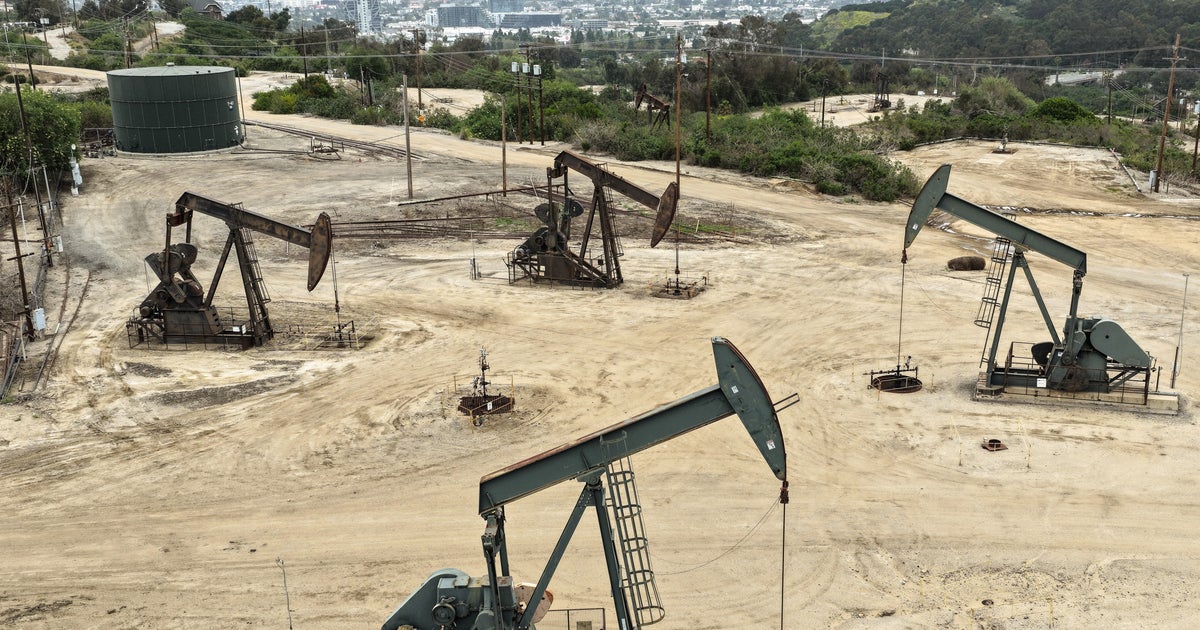
The U.S. is the world’s largest crude oil producer, but drivers are facing sharply higher gasoline and diesel prices following the outbreak of the Iran war. Although U.S. crude output is high, much of that oil is exported and the country also imports oil because U.S. refineries are specialized for heavier crude than the ‘light’ sweet grades the U.S. produces. Global oil markets set prices regardless of where oil is produced, so international supply shocks raise domestic fuel costs. Higher oil prices are also increasing jet fuel costs, causing airlines to raise fares and pushing broader price increases across the economy.
Biblical Reflection
This story highlights how complex systems—global markets, refining infrastructure, trade choices—produce outcomes that harm everyday people. Scripture calls Christians to clear-eyed moral assessment: economic arrangements that leave the vulnerable exposed to sudden price shocks require attention. The market reality (global pricing, exports, refinery specialization) is not morally neutral; policy and corporate choices shape who bears the pain. Biblically, Christians are summoned to stewardship (responsible use of resources), justice (protecting the poor from exploitation), and neighbor-love (practical care when prices bite families and communities). That means praying and advocating for wise public policies that promote resilience (strategic reserves, diversified refining capacity, consumer protections), supporting local relief for those hit hardest, and resisting a theology that equates national strength with unexamined economic advantage. At the same time, we are reminded not to trust wealth or security in material resources alone but to exercise wisdom in personal stewardship—budgeting, reducing unnecessary consumption, and caring for neighbors—while calling leaders and companies to accountable, just practices.
Scripture in context
This outlook does not yet include contextual Scripture citations. Do not treat a general biblical theme as an exegetical conclusion.
Faithful Response
No prescribed response is offered. Consider the reflection prompts below in your own church context.
Reflection and Discussion
- 1Who in my community is most harmed by rising fuel and transport costs, and what practical steps can I or my church take to help?
- 2How do my own consumption and stewardship habits contribute to or mitigate economic strain when prices rise?
- 3What policies or business practices should we, as citizens and Christians, advocate for to protect the vulnerable and promote long-term resilience?
Sources
Reporting links are evidence inputs; Sanctuary News' biblical reflection is commentary.
This outlook currently relies on fewer than two linked sources. Broaden verification before teaching from it.
- 1.Original reportprimary