News Summary
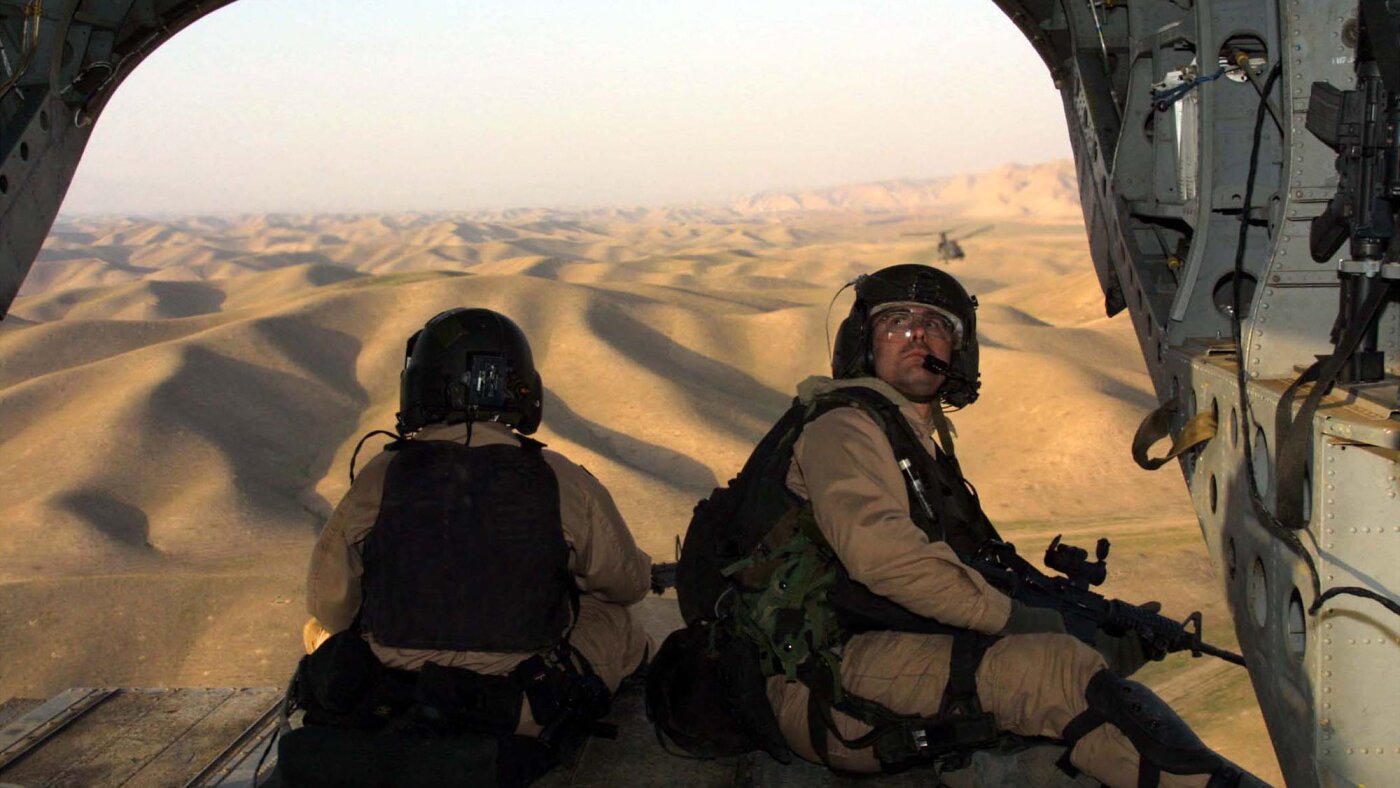
Reported facts: The article states the United States has been engaged in long-term conflicts in Afghanistan, Iraq, and a current war with Iran, and highlights analysts' views that U.S. military force often achieves early battlefield success but fails to secure enduring political outcomes. Attributed claims: Analysts Peter Bergen, Paul Salem, Douglas Lute, and Stephen Walt are quoted saying the U.S. typically excels at initial military operations but neglects post-conflict planning, and the 1991 Gulf War is offered as a contrasting example of limited, achievable objectives. Uncertainties: Specific factual assertions about the scale of Iranian actions (for example, claims that Iran ‘‘largely shut down’’ the Strait of Hormuz or that many Iranian leaders were killed on day one of the war) are reported without independent verification in this article.
Source and Framing Analysis
Source role: NPR is the single supplied reporting source summarizing expert commentary and recent developments. The piece foregrounds American strategic analysis and U.S. perspectives. Missing voices: limited representation of Iranian officials, Iraqi or Afghan civilians, humanitarian agencies, regional governments, and detailed State Department perspectives. Incentives and framing: the article emphasizes lessons for U.S. policymakers (ends/means mismatch) and quotes Western analysts and a retired U.S. general; that framing privileges strategic and military interpretation over civilian humanitarian impact. Disputed or weakly supported claims: several operational claims about the current Iran war (leader casualties, extent of Strait of Hormuz closure) are asserted but not evidenced in the article. What requires independent verification: casualty figures, the factual scale of disruptions to maritime traffic, the precise role of Israeli assistance in strikes, and documentary confirmation of the strategic decisions described.
Biblical Reflection
The article presents a sober, evidence-based account of recurring strategic errors: relying on superior firepower while neglecting the political, cultural, and diplomatic work required for durable peace. From a Christian pastoral perspective, the analysis highlights human tendencies the Bible names often—pride in power, impatience for quick fixes, and a failure to love and understand neighbors (including foreign populations). The piece's emphasis on technical military success without planning for human consequences is truthful and important: it reveals a worldview that privileges short-term victory over long-term reconciliation and restoration. Hidden biases include an implicit acceptance that military means are primary and diplomatic or local voices secondary; the article does critique that bias, but readers should note the framing still treats state security goals as primary rather than asking how justice and human flourishing for civilians factor into definitions of 'success.' Spiritually, Christians should be wary of equating strength with force; true stewardship of power requires humility, careful discernment about ends and means, and a preference for peacemaking where possible. At the same time, the reporting fairly points to concrete operational lessons (align ends, ways, and means) that align with prudence and care for life.
Scripture in context
- 1Matthew 5:9 — Part of the Sermon on the Mount (the Beatitudes), where Jesus blesses those whose lives embody the values of God’s kingdom; 'peacemakers' are commended as children of God in the midst of conflict and injustice. — Applied to modern conflict, this passage urges Christians and national leaders to privilege reconciliation, long-term peacebuilding, and protection of the vulnerable over quick displays of military dominance; it calls the church to advocate for diplomacy and to tend to the human costs of war.
Faithful Response
Pray for leaders and those affected; educate yourself about diplomatic alternatives and the human cost of conflict; advocate for policies that prioritize civilian protection and durable peace; support organizations aiding refugees, wounded civilians, and returning service members.
Reflection and Discussion
- 1Which perspectives (victims, regional actors, diplomatic officials) are missing from this account, and how would their inclusion change the narrative?
- 2Does the article distinguish clearly between initial military success and long-term political objectives, and what assumptions about state-building does it reveal?
- 3What evidence is offered for operational claims about the Iran conflict, and where should you look for verification before accepting those claims?
Sources
Reporting links are evidence inputs; Sanctuary News' biblical reflection is commentary.
This outlook currently relies on fewer than two linked sources. Broaden verification before teaching from it.
- 1.Why the U.S. Struggles to Win Warsprimary_reporting