News Summary
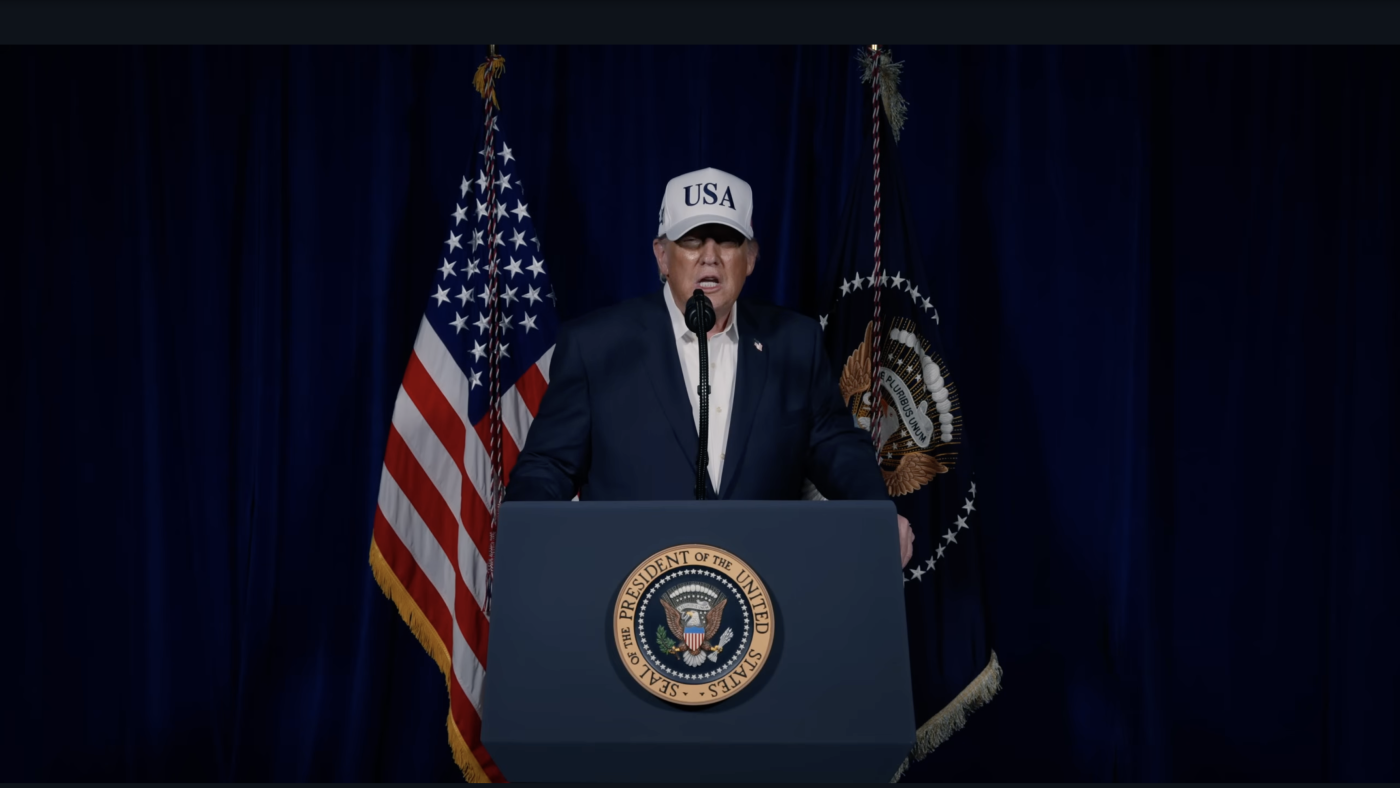
The article traces how the U.S. separation of war-making powers evolved from early practice—when presidents needed Congress primarily for funding—to the modern era in which presidents often assert broad authority to use military force without formal congressional declarations of war. It notes World War II was the last time a president sought a formal declaration. Postwar changes (U.S. global role, nuclear arms) and crises such as Korea and Vietnam shifted practice. Congressional concern after secret bombings in Cambodia led to the 1973 War Powers Resolution, which requires presidential consultation, a 48-hour notification of hostilities, and withdrawal within 60 days absent authorization. In practice, presidents have frequently interpreted terms like “hostilities” and “imminent threat” broadly, and have ordered strikes or deployments without clear congressional authorization (examples: Kosovo, Libya, Syria, Yemen). Legal scholars quoted (Matthew Waxman, Oona Hathaway) say presidents have pushed boundaries and that recent actions tied to President Trump (including strikes related to Iran) represent an especially large constitutional leap. The courts have largely stayed out, leaving Congress as the primary check, but Congress has often been passive or politically reluctant to force a confrontation — a posture that could change if a conflict drags on and costs rise.
Biblical Reflection
Biblically, the story raises two central concerns: the rightful exercise of authority and the pursuit of peace. Scripture affirms that governing authorities have a role in maintaining order (e.g., Romans 13), yet it also insists that leadership be exercised with wisdom, counsel, and justice (Proverbs 11:14; 15:22). The framers’ allocation of the power to declare war to the people’s representatives was a prudential design to force deliberation and restraint; when executives sidestep that deliberative process, the risk is an error of pride (acting unilaterally), poor counsel (lack of accountability), and avoidable harm to innocents. Christians should be wary of unexamined appeals to expediency or security that short-circuit accountability. At the same time, scripture calls followers to be peacemakers (Matthew 5:9) and to bear responsibility for protecting the vulnerable. That tension means Christian disciples should neither reflexively idolize state power nor naively oppose all use of force; rather, we should press for honesty, clear moral justification, careful proportionality, and public accountability. Practically, this story indicts both executive overreach and legislative timidity: leaders must exercise authority with humility and restraint, and legislatures must courageously fulfill their role as a check. The church’s role is to pray for wisdom for leaders, advocate for the protection of civilians and service members, and call the nation toward decisions that reflect justice, truth, and the pursuit of peace.
Scripture in context
This outlook does not yet include contextual Scripture citations. Do not treat a general biblical theme as an exegetical conclusion.
Faithful Response
No prescribed response is offered. Consider the reflection prompts below in your own church context.
Reflection and Discussion
- 1Am I praying and advocating for wisdom, restraint, and accountability from leaders when military force is considered?
- 2How can I hold both a conviction for peace and a recognition that governments sometimes must act to protect the vulnerable?
- 3In what ways should Christians encourage our representatives to exercise prudence and public accountability on matters of war and peace?
Sources
Reporting links are evidence inputs; Sanctuary News' biblical reflection is commentary.
This outlook currently relies on fewer than two linked sources. Broaden verification before teaching from it.
- 1.Original reportprimary