News Summary
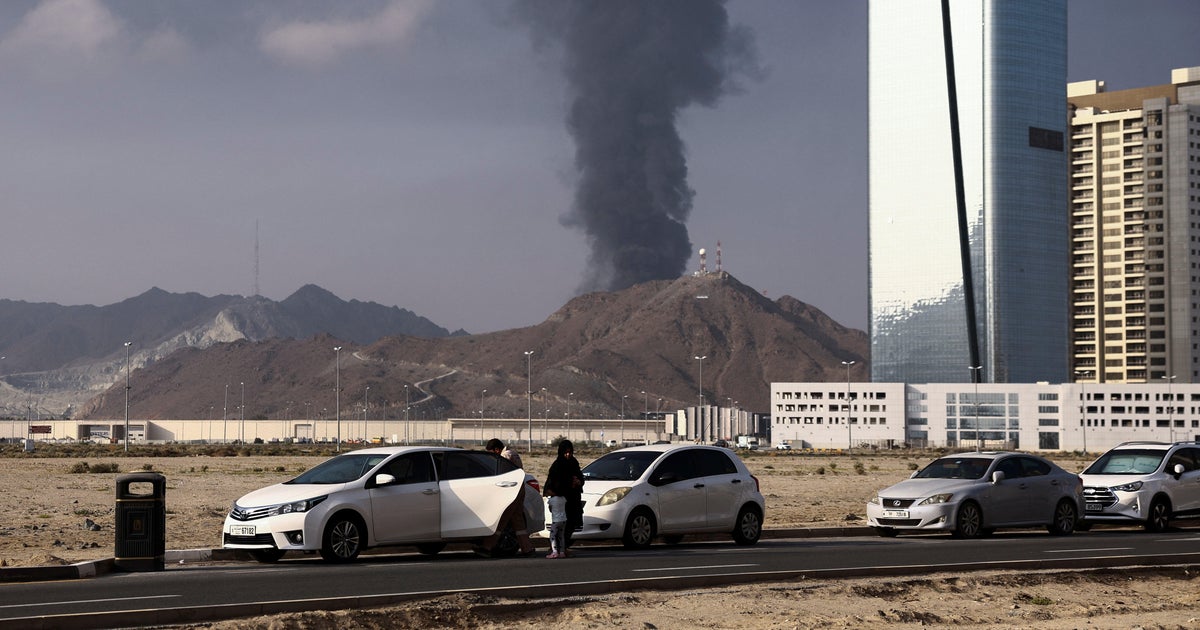
The article details the rapid escalation of war in the Middle East, centering on a U.S.-Israeli joint attack on Iran and Iran's widespread retaliatory strikes across its Gulf neighbors. Key events include drone and missile attacks on Amazon data centers, energy infrastructure, and civilian areas, resulting in casualties and significant disruption. The conflict has caused turmoil in global financial markets, driven up oil prices, and prompted mass evacuations and embassy closures for Americans across the region. The U.K. and other Gulf nations are weighing deeper involvement, with some moving from neutrality to threatened retaliation. Both sides accuse each other of war crimes, especially regarding attacks on civilian infrastructure. President Trump has stated the U.S. is prepared for a protracted campaign, while Iran’s leadership faces uncertainty following the death of Ayatollah Khamenei. The war’s effects are rippling internationally, with regional stability in jeopardy and humanitarian concerns mounting.
Biblical Reflection
From a scriptural perspective, the escalation of war, vengeance, and destruction depicted in this article runs counter to many core biblical values. The desire for dominance, retaliation, and the pursuit of national interests above all else are consistent themes throughout the conflict. Scripture cautions against such cycles of violence, urging instead the pursuit of peace, justice, and reconciliation: 'Blessed are the peacemakers, for they will be called children of God' (Matthew 5:9). The devastation of civilians, destruction of infrastructure, and the rhetoric of 'it’s too late for talks' reveal hearts hardened to humility, repentance, and dialogue—qualities essential to biblical peacemaking. The suffering of innocents, refugees, and the vulnerable should particularly stir Christian compassion, for Christ commands us to love our enemies and care for the least among us. While governments have responsibilities to protect their people, the biblical witness warns against trusting in military might or yielding to the logic of endless war (Psalm 20:7; Micah 4:1-4). Christians are called to intercede for leaders, to seek justice and mercy, and to become instruments of reconciliation in a broken world. Ultimately, this article is a sobering reminder that the kingdoms of this world are fragile, and true hope lies not in war, but in the Prince of Peace.
Scripture in context
This outlook does not yet include contextual Scripture citations. Do not treat a general biblical theme as an exegetical conclusion.
Faithful Response
No prescribed response is offered. Consider the reflection prompts below in your own church context.
Reflection and Discussion
- 1How might God be calling you to pray for peace and justice in the midst of such violence?
- 2In what ways can you be a peacemaker—at home, in your community, or in your prayers—when the world seems set on conflict?
- 3How do you respond to news of war and violence? Does it stir fear, anger, compassion, or a desire to act?
Sources
Reporting links are evidence inputs; Sanctuary News' biblical reflection is commentary.
This outlook currently relies on fewer than two linked sources. Broaden verification before teaching from it.
- 1.Original reportprimary