News Summary
The article reports that the U.S. and Israel are engaged in a widening war with Iran that has produced significant regional military activity, civilian casualties, and international disruption. Israel has launched strikes and a ground incursion into southern Lebanon aimed at Hezbollah; Lebanese authorities report nearly 900 dead in that campaign, including health workers. Iran has responded with missile and drone strikes across the Persian Gulf, targeting Gulf states including the UAE and Saudi Arabia. The UAE and other Gulf partners report dozens to hundreds of intercepts of missiles and drones, some impacts, and several civilian deaths.
The Strait of Hormuz—a key global oil transit route—has been severely disrupted, with shipping largely reduced and insurance/operational concerns heightened. Brent crude has stayed above $100 per barrel at times and U.S. pump prices have risen; AAA data cited shows the U.S. average gas price rising modestly in the short term and substantially versus a month prior. MarineTraffic noted the first non‑Iranian cargo transit with AIS on since the conflict began, suggesting some negotiated safe passages are occurring.
International responses are mixed: President Trump and the U.S. administration are pressing allies to help protect shipping and have floated coalitions or warship escorts; some NATO and EU partners are cautious and seeking clarity on objectives. The U.K. and EU are discussing limited roles and contingency planning rather than immediate full engagement. Russia and other actors are commenting on economic effects. The U.S. is also moving additional forces to the region and debating logistics and scope; diplomatic visits and negotiations (including a possibly delayed China trip by President Trump) are affected.
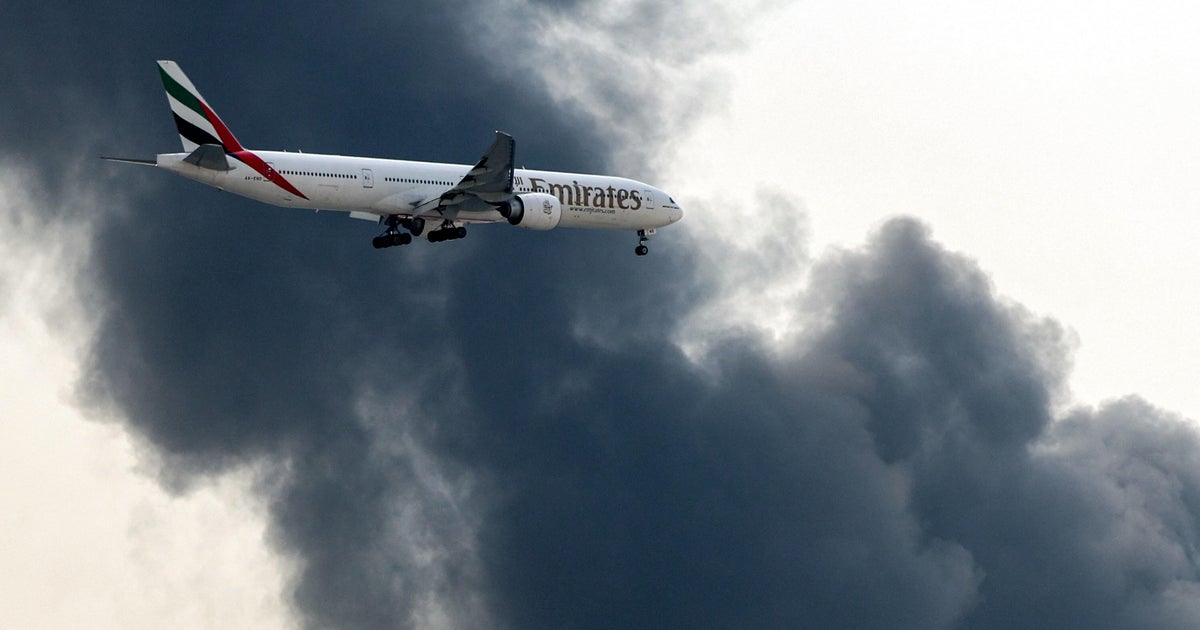
The article also notes additional regional consequences: disruptions at airports (Dubai), damage to oil infrastructure (Fujairah), the destruction of an aircraft said by Israeli forces to be used by Iranian leadership, and humanitarian effects including evacuations and refugee choices by members of Iran’s women’s soccer team. Domestic and diplomatic rhetoric—claims about degrading Iran’s military capacity, calls for allied support, and arguments about who benefits—are prominent throughout the reporting.
Biblical Reflection
From a biblical perspective this story carries multiple moral and spiritual fault lines. The first is the human cost: war’s toll on civilians, health workers, and families demands an unambiguous Christian lament (Psalm 34:18; Matthew 5:4). Scripture repeatedly condemns the shedding of innocent blood (e.g., Proverbs 6:16–19) and calls God’s people to grieve and to care for refugees, widows, and orphans (James 1:27). The images and descriptions of large‑scale displacement and civilian suffering should move the church to compassionate response—prayer, advocacy for humanitarian access, and practical aid.
Second, the story highlights the tension between legitimate defense and the temptation to pursue vengeance or dominance. Romans 12:19 warns believers not to take personal vengeance; yet governments bear the responsibility to protect citizens (Romans 13). Christians must therefore pray for wisdom for leaders who must weigh defence, restraint, and the long‑term costs of military action. The call is to pursue justice but to temper it with mercy and prudence, remembering that military victory can leave long shadows of bitterness and instability (Ecclesiastes 3:8).
Third, truthfulness and the care of information are central. The article quotes a religious leader urging journalists to show “the face of war” and to resist propaganda. Scripture esteems truth (Ephesians 4:25) and warns against deceptive speech that demeans human dignity. Christians should insist on truthful reporting and resist narratives that dehumanize “the other,” whether political leaders or civilian populations.
Fourth, there is a prophetic ethical question about the idolatries at work. When oil, trade routes, or national prestige become ends in themselves, they can displace God as ultimate trust (Matthew 6:24). Economic anxieties (rising pump prices, market reactions) are real and may shape policy, but Christians are called to steward resources, care for the poor who are most hurt by price spikes, and resist letting economic fear drive unjust actions.
Finally, the church is called to be a peacemaker (Matthew 5:9). That doesn’t mean naïveté about evil or shirking of responsibility to protect the vulnerable, but it does mean active pursuit of negotiated pauses, humanitarian corridors, and diplomatic avenues alongside moral clarity about wrongdoing. The scriptural posture here is lament and prayer for victims, wise and humble counsel for leaders, and practical care for those displaced or impoverished by the conflict.
Scripture in context
This outlook does not yet include contextual Scripture citations. Do not treat a general biblical theme as an exegetical conclusion.
Faithful Response
No prescribed response is offered. Consider the reflection prompts below in your own church context.
Reflection and Discussion
- 1Where in this conflict do I see opportunities for the church to grieve, pray, and act for the vulnerable rather than taking sides politically?
- 2How does my reliance on economic security or national power influence my view of what is ‘necessary’ in war or diplomacy?
- 3What practical steps can my congregation take this week to support refugees, aid workers, or truthful information about the conflict?
Sources
Reporting links are evidence inputs; Sanctuary News' biblical reflection is commentary.
This outlook currently relies on fewer than two linked sources. Broaden verification before teaching from it.
- 1.Original reportprimary