News Summary
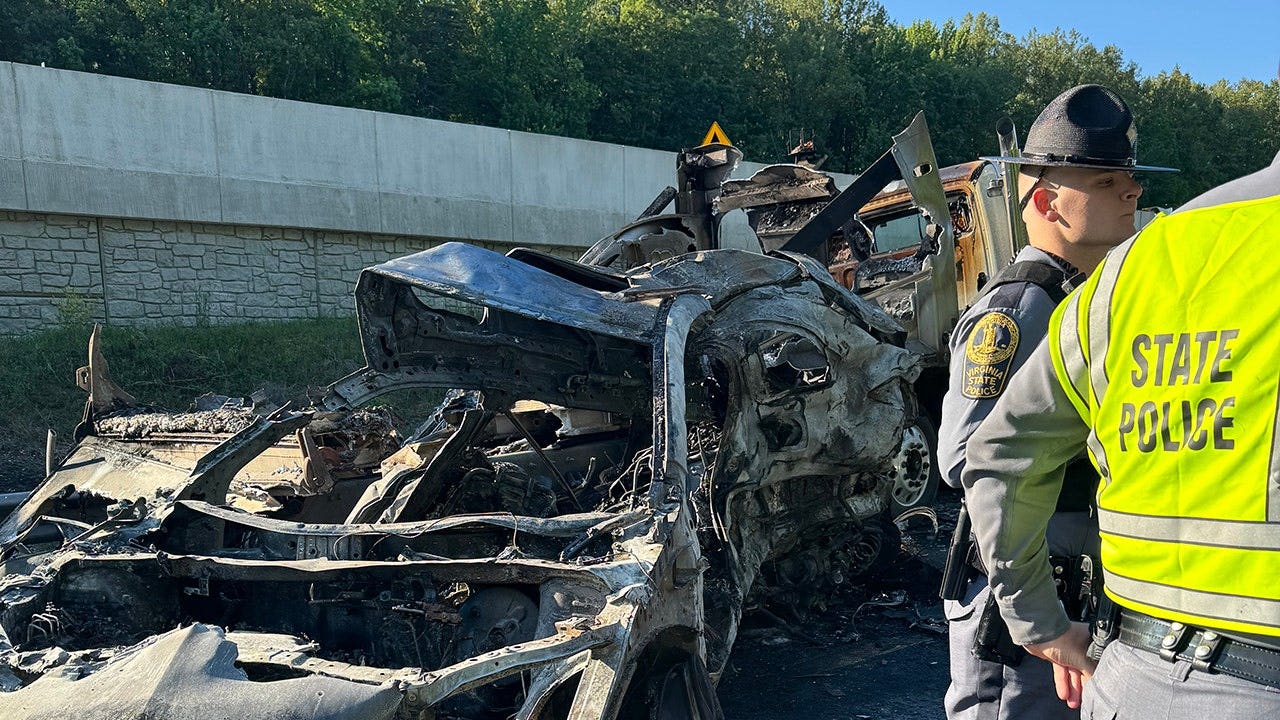
In the early morning hours on a Friday, an E&P Travel bus traveling from New York to North Carolina failed to slow near a work zone on Interstate 95 in Stafford County, Virginia, and struck multiple vehicles. The Virginia State Police report five people were killed and dozens injured; at least 44 people were taken to hospitals, with three in critical condition. The deceased included a 13-year-old girl, a 7-year-old boy, a 45-year-old man, a 44-year-old woman (all from Massachusetts) and a 25-year-old woman who had been in the car immediately ahead of the bus. The bus driver, identified as Jing S. Dong, 48, of Staten Island, was injured and police said charges are pending. Authorities and U.S. Transportation Secretary Sean Duffy stated the driver does not speak English; federal law requires commercial drivers to speak English sufficiently to perform their duties. The article notes Dong is a naturalized U.S. citizen originally from China who received his commercial driver’s license in New York two years earlier. Secretary Duffy said the Department of Transportation is investigating the driver's licensing and training records and reiterated a policy emphasis on English testing for commercial drivers; the article also referenced recent state actions (in Florida) to require English on driving exams after a separate deadly crash last August.
Biblical Reflection
This story combines a tragic accident with urgent calls for accountability and policy response. Facts matter: grieving families deserve clear, accurate information about cause, responsibility, and corrective steps. The article links the driver's English proficiency and licensing to the crash based largely on statements from a government official; readers should note the distinction between early public statements and confirmed investigative findings. The piece also echoes a broader political framing—language ability and immigration status are being treated as proximate causes—while the reported fact is that the driver is a naturalized citizen with a New York commercial license and that charges and investigations are ongoing. From a Christian pastoral perspective, the response should hold both truth and mercy. Truth requires careful investigation and avoidance of rushing to judgment or scapegoating an individual or group. Mercy calls us to compassion for victims, their families, and for those whose lives and reputations may be affected while the facts are still being determined. Christian wisdom also calls for honest assessment of systemic failures—training standards, employer oversight, enforcement of safety rules, road design and signage, and regulatory follow-through—rather than allowing the story to devolve into simplistic blame. Leaders should pursue justice for victims and accountability where negligence is shown, while resisting rhetoric that dehumanizes people based on language, nationality, or immigration status. Finally, this event is an occasion to advocate both for safer roads and for policies implemented in ways that reflect humility, careful inquiry, and love of neighbor.
Scripture in context
This outlook does not yet include contextual Scripture citations. Do not treat a general biblical theme as an exegetical conclusion.
Faithful Response
No prescribed response is offered. Consider the reflection prompts below in your own church context.
Reflection and Discussion
- 1Am I accepting early official statements as settled fact, or distinguishing between preliminary claims and confirmed findings?
- 2How might emphasis on the driver's language or immigration status shape public perception before investigations are complete, and who benefits from that framing?
- 3What systemic factors (training, employer oversight, road safety, enforcement) should we examine alongside individual responsibility?
Sources
Reporting links are evidence inputs; Sanctuary News' biblical reflection is commentary.
This outlook currently relies on fewer than two linked sources. Broaden verification before teaching from it.
- 1.Original reportprimary