News Summary
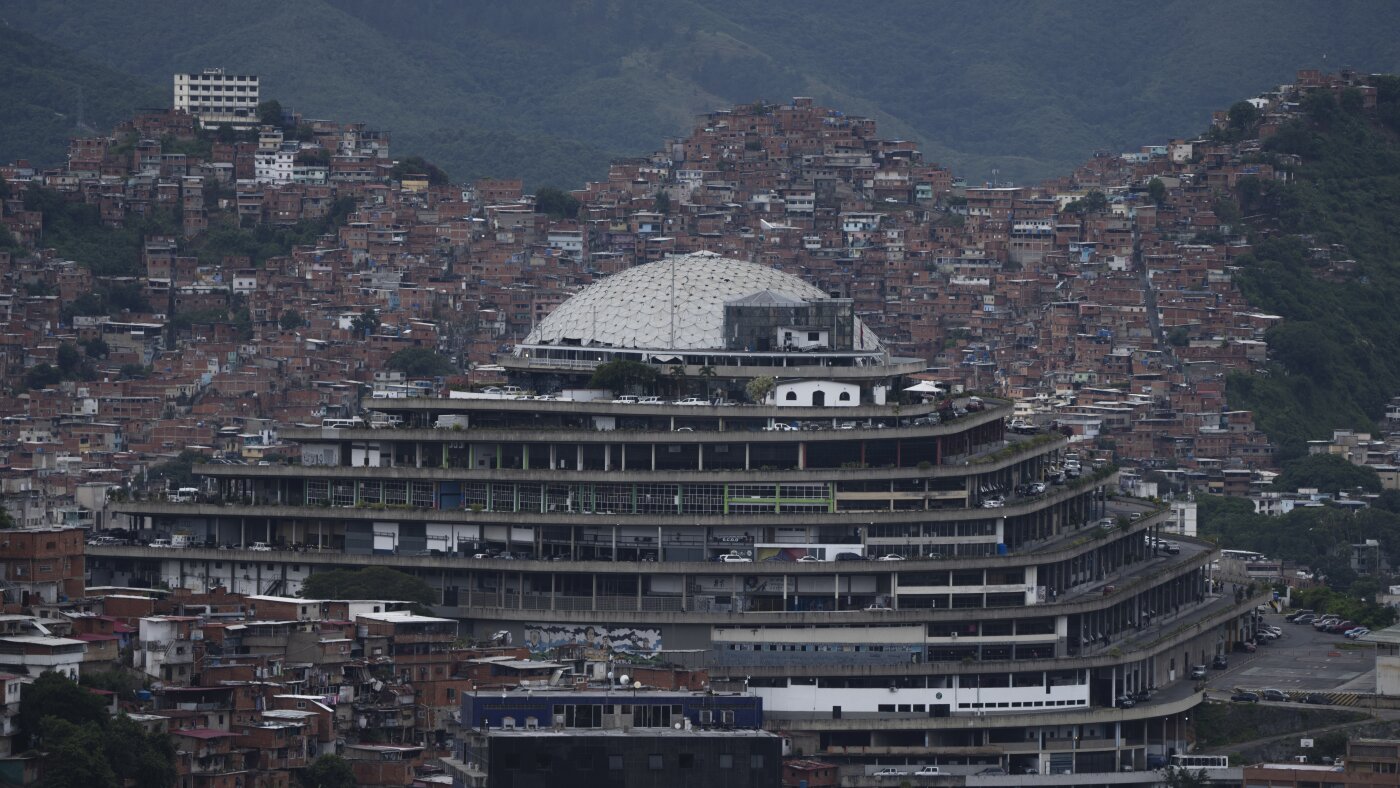
El Helicoide, an unfinished 1950s spiral building in central Caracas originally conceived as a futuristic shopping mall, became the headquarters of Venezuela's national intelligence service and a notorious detention site associated with isolation, torture and human-rights abuses. Former detainees describe long periods in windowless cells under constant artificial light, drugging and forced confessions. Under recent political shifts and an amnesty law that has led to releases, acting president Delcy Rodríguez has proposed converting parts of the building into a sports complex for security forces and nearby residents; government media released footage claiming work has begun after consultations. Opposition figures and former prisoners argue the site should be preserved as a memorial or museum — like Robben Island — to ensure collective memory and non-repetition of abuses. Historic observers note only the lowest levels are currently used as prison, and the building’s size could allow for multiple uses, but debate remains over whether redevelopment would serve local needs or erase past crimes.
Biblical Reflection
Scripturally, this story raises the twin duties of seeking justice and pursuing healing. The Bible repeatedly calls God’s people to ‘act justly’ and to remember wrongs so repentance and restitution can follow (Micah 6:8; Deuteronomy’s laws about testimony and rebuilding rightly). Turning a site of abuse into a place of recreation without public acknowledgment risks whitewashing suffering and denying victims a voice — something Scripture condemns when communities cover sin instead of calling it to account (Ephesians 5:11; Luke 12:2–3). At the same time, Christian virtues call for mercy, restoration and care for neighbors. A faithful response would insist on truth-telling, transparent accountability for perpetrators, memorialization that honors victims, and projects that meet the real needs of surrounding communities. Reconciliation that does not include justice and remembrance is fragile; likewise, justice without mercy can harden hearts. Churches and believers should advocate for survivors, support processes that prevent repetition (truth commissions, memorials, reparations), and pray for wise civic leaders to balance remembrance, restoration, and the common good.
Scripture in context
This outlook does not yet include contextual Scripture citations. Do not treat a general biblical theme as an exegetical conclusion.
Faithful Response
No prescribed response is offered. Consider the reflection prompts below in your own church context.
Reflection and Discussion
- 1How should communities balance honoring victims and creating useful public spaces when sites of atrocity are redeveloped?
- 2In what practical ways can Christians support truth-telling, accountability, and healing for survivors of political persecution?
- 3Does forgiveness require forgetting? How can the church promote mercy while guarding against erasure of injustice?
Sources
Reporting links are evidence inputs; Sanctuary News' biblical reflection is commentary.
This outlook currently relies on fewer than two linked sources. Broaden verification before teaching from it.
- 1.Original reportprimary