News Summary
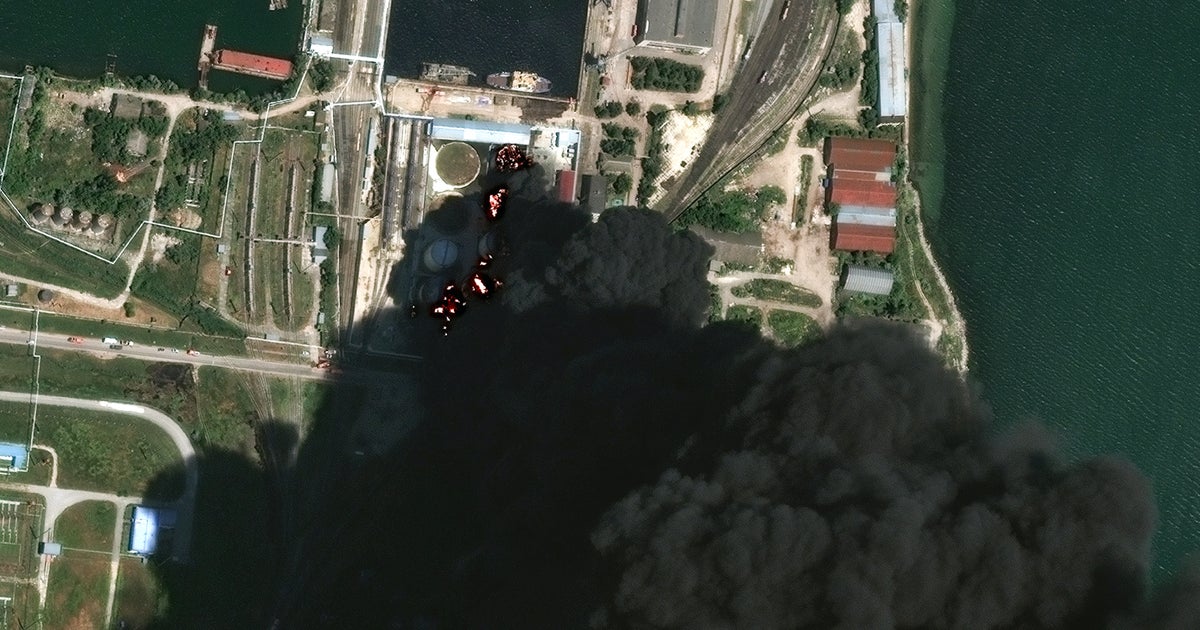
Ukraine launched a large drone assault on June 26, 2026, striking targets across 12 Russian regions and on the Russian-occupied Crimean Peninsula. The Russian Defense Ministry said 660 drones were intercepted; Russian state media reported this was a higher number than prior attacks this year (the previous large attack cited was 556 drones on May 17). Ukrainian officials said Russia launched missiles that Ukrainian air defenses repelled, with debris falling over Kyiv. Ukraine’s Security Service reported strikes on two military vessels and several air-defense systems in the Kerch region of Crimea. Telegram channels on both sides reported a strike on the Azot chemical plant in Tula, Russia — a report CBS News could not independently confirm; Ukrainian officials have said the plant is linked to explosives production. Analysts note that successive strikes on energy and industrial infrastructure delay repairs and prolong closures. Ukrainian authorities and some analysts attribute growing Ukrainian momentum to increased drone production and strain on Russian air defenses; a nonprofit’s May data indicated over 3,000 long-range drones launched into Russia in 2026 to date. Russia announced a state of emergency in Crimea and halted civilian fuel sales after recent attacks. President Volodymyr Zelenskyy announced a planned “40-day influence operation” intended to compel Russia to end the war. Ukrainian defense ministry data cited the destruction of 1,447 Russian air-defense systems since 2022.
Biblical Reflection
From a Christian pastoral perspective, the article describes an intensification of military means intended to shorten or end a larger injustice (the invasion of Ukraine), but it also documents widening harm to infrastructure and civilians. The piece relies largely on official claims from both sides and unconfirmed reports, so readers should hold claims tentatively. Strategically targeting logistics and energy can degrade an aggressor’s war-making capacity, yet such strikes often carry collateral consequences: civilian risk from falling debris, disrupted fuel and food production, environmental hazards if industrial facilities are hit, and further displacement or economic harm to vulnerable populations. The underlying worldview driving the coverage is a wartime calculus that measures progress by materiel destroyed and operational tempo; that perspective can obscure human suffering and the long-term needs of neighbors. Christians should seek truth (carefully weighing unverified claims), show mercy (attending to civilian suffering regardless of nationality), practice humility (recognizing the limits of our information and the complexity of justice in war), and pursue peace courageously (advocating for avenues that protect noncombatants and prioritize durable resolution).
Scripture in context
This outlook does not yet include contextual Scripture citations. Do not treat a general biblical theme as an exegetical conclusion.
Faithful Response
No prescribed response is offered. Consider the reflection prompts below in your own church context.
Reflection and Discussion
- 1Which human voices—civilians, medical workers, and humanitarian responders—are missing from this account, and how would their perspective change our judgment?
- 2How does measuring success by sorties and systems destroyed shape public support for escalation versus pursuing negotiated protections for civilians?
- 3Are we accepting claims from combatants without sufficient verification because they confirm a narrative we want to believe?
Sources
Reporting links are evidence inputs; Sanctuary News' biblical reflection is commentary.
This outlook currently relies on fewer than two linked sources. Broaden verification before teaching from it.
- 1.Original reportprimary