News Summary
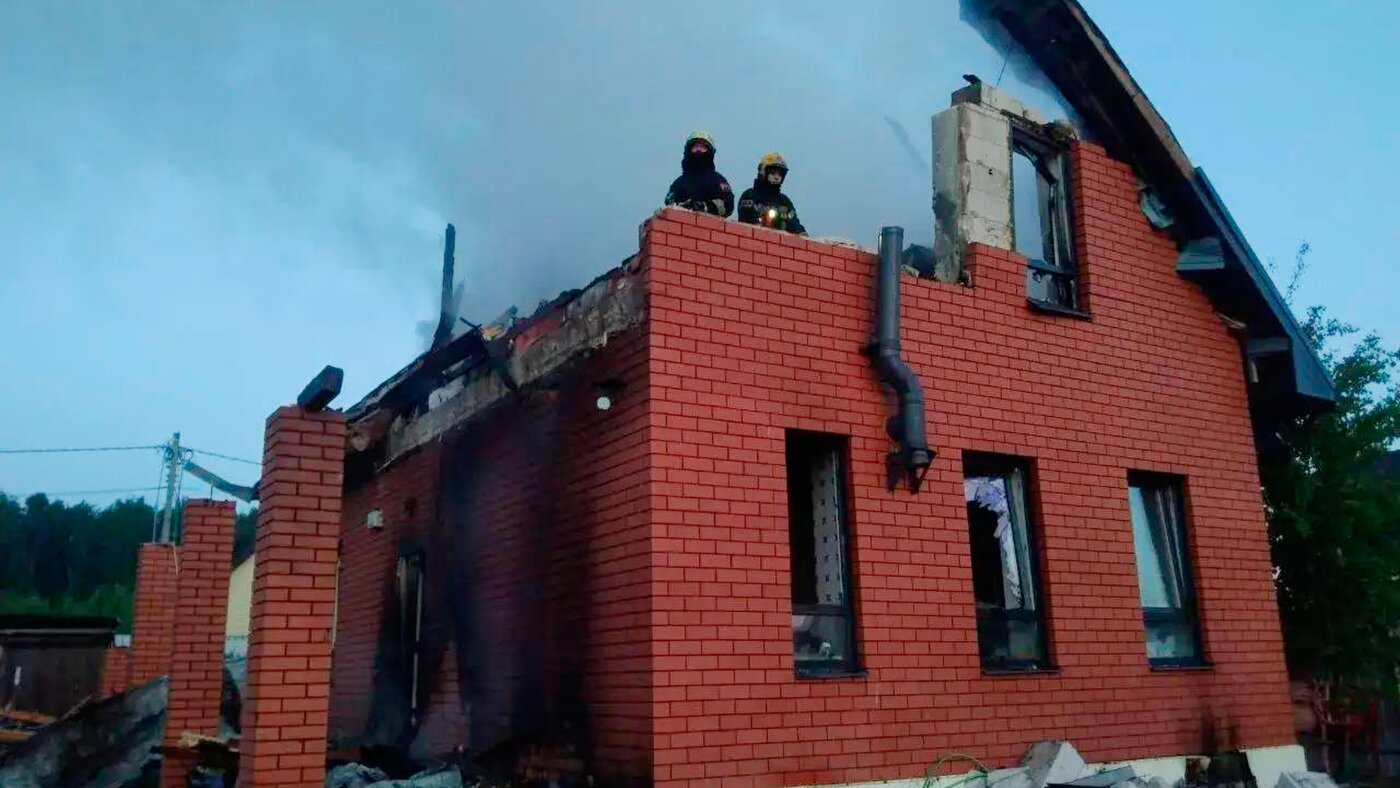
On May 17, 2026, Ukraine launched a large-scale long-range drone operation into Russian territory. Russian local authorities reported at least four people killed (including three near Moscow and one in the Belgorod region) and about a dozen wounded in and around Moscow; debris fell on Sheremetyevo airport grounds without affecting flights, according to airport officials. Moscow Region Governor Andrei Vorobyev reported damage to buildings and infrastructure in Khimki and the village of Pogorelki. Moscow mayor Sergei Sobyanin said about 12 people were wounded near an oil refinery but that refinery “technology” was not damaged. Russian state media and officials reported hundreds of drones intercepted overnight (Sobyanin cited 81 downed near Moscow; the defense ministry reported 556 destroyed and later said over 1,000 drones had been shot down or jammed in 24 hours). Ukrainian President Volodymyr Zelenskyy confirmed Ukraine conducted the strikes, characterized them as “entirely justified,” said drones flew more than 500 km from Ukrainian territory, and framed the action as retaliation for recent Russian attacks on Ukrainian cities. Analysts quoted in the article described the strikes as a signal that Ukraine can strike deep into Russia and as likely to increase pressure and anxiety inside Russia. Separately, Ukrainian officials said Russian drone attacks on Ukraine overnight wounded eight people and damaged residential buildings in several regions. Casualty and damage counts are reported by both Ukrainian and Russian local/state authorities and have not been independently verified in the article.
Biblical Reflection
Biblically informed reflection must hold together two truths: the horror of violence that damages and kills civilians, and the reality that nations sometimes use force in pursuit of security or retaliation. The article largely presents the event as a strategic military action (Ukraine) and a defensive success (Russia), with official statements validating both narratives. Scripture teaches the value of peace and the protection of the vulnerable (see Isaiah 2:4; Matthew 5:9), and warns against taking revenge as an end in itself (Romans 12:19). Christians should therefore be cautious about normalizing reciprocal strikes or celebrating military effectiveness without mourning the loss of life on all sides. The piece relies heavily on official casualty and interception figures from both governments and on strategic interpretation from an analyst; readers should recognize that both sides have incentives to emphasize successes and downplay failures or civilian harm. The underlying worldview of the article is realist and tactical: war as mutual attrition, deterrence, and signaling. A Christian lens calls us to name the sinfulness of war’s violence, to lament civilian suffering, and to pray and work for just restraint and a genuine path to peace, while also acknowledging governments’ responsibilities to protect citizens. In practical discernment: treat official claims critically, refuse dehumanizing rhetoric toward 'the enemy,' and hold leaders accountable to pursue avenues that minimize harm to noncombatants and seek a durable end to conflict.
Scripture in context
This outlook does not yet include contextual Scripture citations. Do not treat a general biblical theme as an exegetical conclusion.
Faithful Response
No prescribed response is offered. Consider the reflection prompts below in your own church context.
Reflection and Discussion
- 1Which voices and official claims does the article amplify, and how might their incentives shape the reported casualty and interception figures?
- 2Does the coverage frame the strikes primarily as legitimate retaliation or primarily as a human tragedy — and how should a Christian balance justice, protection of the innocent, and the call to pursue peace?
- 3How does accepting strategic military logic as normal change our imagination about God’s vision for nations (swords into plowshares) and our responsibility to advocate for noncombatant protection?
Sources
Reporting links are evidence inputs; Sanctuary News' biblical reflection is commentary.
This outlook currently relies on fewer than two linked sources. Broaden verification before teaching from it.
- 1.Original reportprimary