News Summary
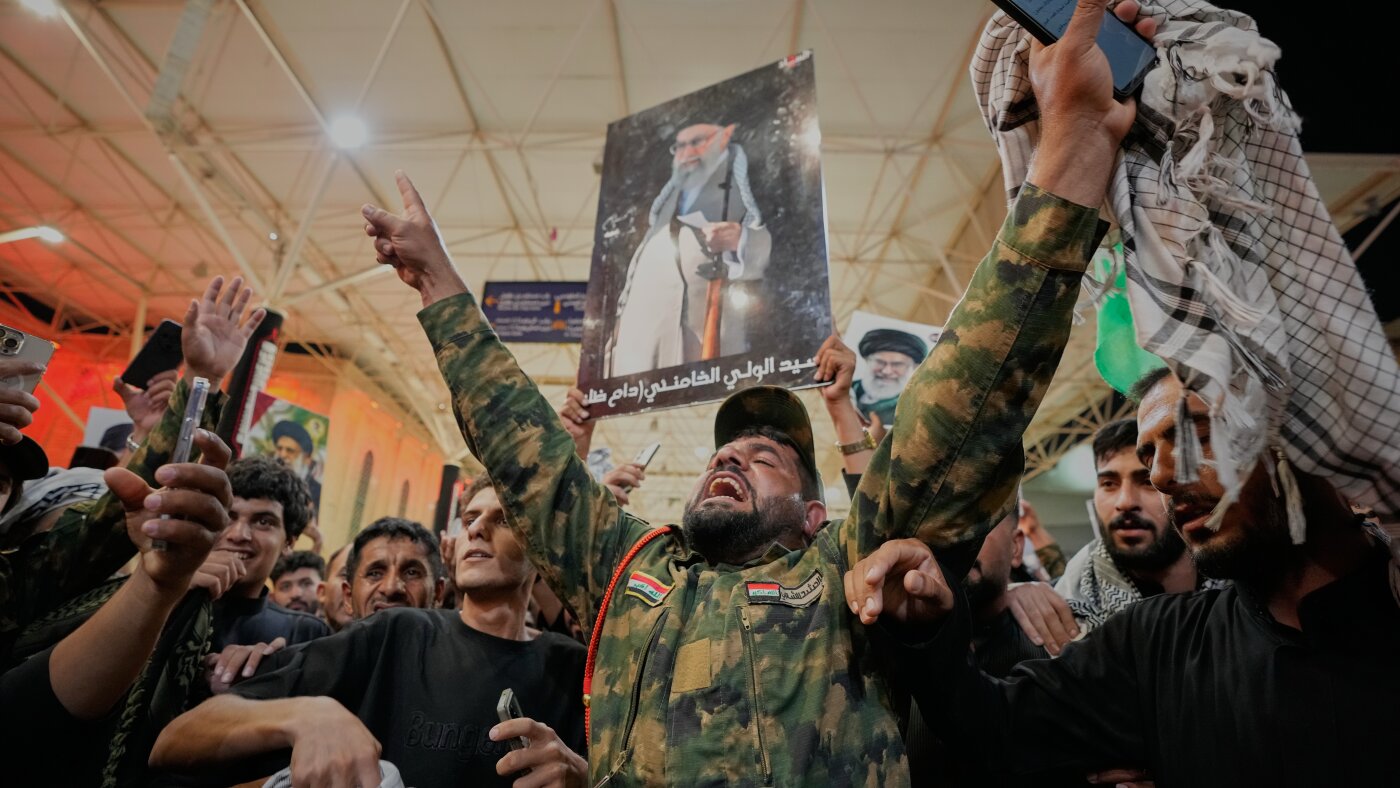
U.S. forces launched strikes on Iranian military targets early Wednesday after the U.S. said Iran had struck three commercial ships in the Strait of Hormuz. U.S. Central Command reported hits on Iranian air defenses, radars and more than 60 small boats used by Iran's Islamic Revolutionary Guard Corps; it said the strikes were intended to impose costs for attacks on commercial shipping. Iran acknowledged the strikes but did not report losses and state media described explosions in several coastal towns. Iran then carried out strikes that targeted U.S. military installations in Bahrain and Kuwait, prompting missile alerts in both countries. One tanker was reported hit and set on fire off Oman; two other ships suffered damage but no injuries. The U.S. also revoked a license that had permitted Iran to sell oil openly under an interim agreement. The incidents occurred during the multi-day funeral for Iran's Supreme Leader Ayatollah Ali Khamenei and raised concern that an interim ceasefire and upcoming negotiations could be jeopardized. Qatar condemned an attack on a Qatari tanker and held Iran legally responsible; Tehran has insisted on controlling shipping routes through the strait and charging fees, a demand the U.S. and many Gulf states reject.
Biblical Reflection
This account describes an escalation within an ongoing regional war where military, economic and diplomatic levers are all being used. The U.S. frames its strikes as protection of neutral commercial navigation; Iran frames its actions as defending sovereignty and responding to aggression. Reporting focuses on military action and statements by governments, which can obscure the immediate human costs — crew safety, civilian infrastructure, and the livelihoods tied to energy markets. Christians should note the moral complexity: protecting innocent civilians and neutral shipping is just, but so is caution about actions that risk wider harm. The underlying worldview on display is one of deterrence and power politics: each side uses force and economic pressure to shape outcomes. A Christian response emphasizes truthful accounting of facts, protection of noncombatants, humility about the limits of military solutions, and active pursuit of diplomatic pathways that reduce suffering rather than prolong it.
Scripture in context
This outlook does not yet include contextual Scripture citations. Do not treat a general biblical theme as an exegetical conclusion.
Faithful Response
No prescribed response is offered. Consider the reflection prompts below in your own church context.
Reflection and Discussion
- 1Whose safety and voices are centered in the coverage — sailors and coastal civilians, or only state and military actors?
- 2How does framing these events as 'security' versus 'sovereignty' change who appears culpable or justified?
- 3Are we allowing fear or partisanship to shortcut our judgment about the human cost and the need for honest diplomacy?
Sources
Reporting links are evidence inputs; Sanctuary News' biblical reflection is commentary.
This outlook currently relies on fewer than two linked sources. Broaden verification before teaching from it.
- 1.Original reportprimary