News Summary
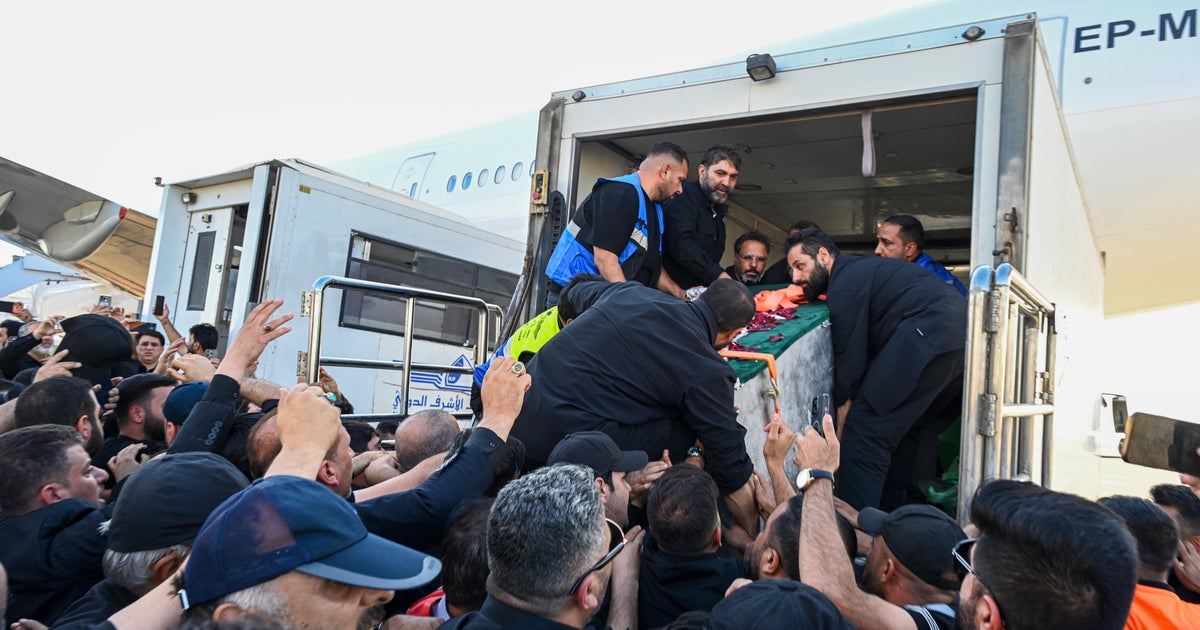
A plane carrying the coffin of former Iranian supreme leader Ali Khamenei arrived in Mashhad after ceremonies in Iraq. Iran's Revolutionary Guard Corps reported that U.S. strikes overnight hit two bridges on the route to Mashhad. Iran's Health Ministry said U.S. airstrikes over the last two days killed at least 14 people and wounded 78; state media reported additional fatalities including at least three in Khuzestan province, a firefighter in Iranshahr, and nine members of Iran's armed forces killed in earlier strikes. The U.S. said it launched two rounds of retaliatory strikes, which the Pentagon described as targeting Iranian military infrastructure after attacks on three commercial oil tankers in the Strait of Hormuz. Iranian state television reported explosions in multiple cities, including Chabahar, Konarak, and Bushehr (which hosts Iran's only commercial nuclear power plant). President Trump and Vice President JD Vance publicly defended the U.S. strikes and warned of stronger responses if attacks on shipping continue; Trump also said Iran sought to negotiate. The week-long funeral period for Khamenei, culminating in his burial, had been intended as a time for reduced tensions and negotiations.
Biblical Reflection
This report documents a dangerous cycle of action and retaliation with real human cost. The article relies largely on official statements from both governments and state media; casualty figures and target details are reported by Iranian authorities and cannot be independently verified in the piece, so readers should treat numbers and emphatic claims cautiously. From a Christian perspective, the priority is to recognize the dignity of every life affected — civilians, emergency responders, and combatants — and to resist rhetoric that reduces people to abstractions or enemy categories. The framing that emphasizes retribution and deterrence reflects a worldview that prizes security through force; while protecting innocents is legitimate, escalation risks broader violence, economic disruption (through shipping lanes and energy infrastructure), and suffering for those already vulnerable. Christians are called to seek truth amid propaganda, to advocate for protection of noncombatants, and to press leaders toward genuine negotiations and restraint rather than triumphalist or dehumanizing language.
Scripture in context
This outlook does not yet include contextual Scripture citations. Do not treat a general biblical theme as an exegetical conclusion.
Faithful Response
No prescribed response is offered. Consider the reflection prompts below in your own church context.
Reflection and Discussion
- 1Which voices are missing from the reporting (civilians, independent observers), and how might their absence shape our understanding of the human cost?
- 2How does rhetoric of retribution or dehumanization influence the likelihood of further escalation versus the possibility of negotiated restraint?
- 3Are public casualty and damage claims being independently verified, and what motives might governments have for emphasizing certain figures or targets?
Sources
Reporting links are evidence inputs; Sanctuary News' biblical reflection is commentary.
This outlook currently relies on fewer than two linked sources. Broaden verification before teaching from it.
- 1.Original reportprimary