News Summary
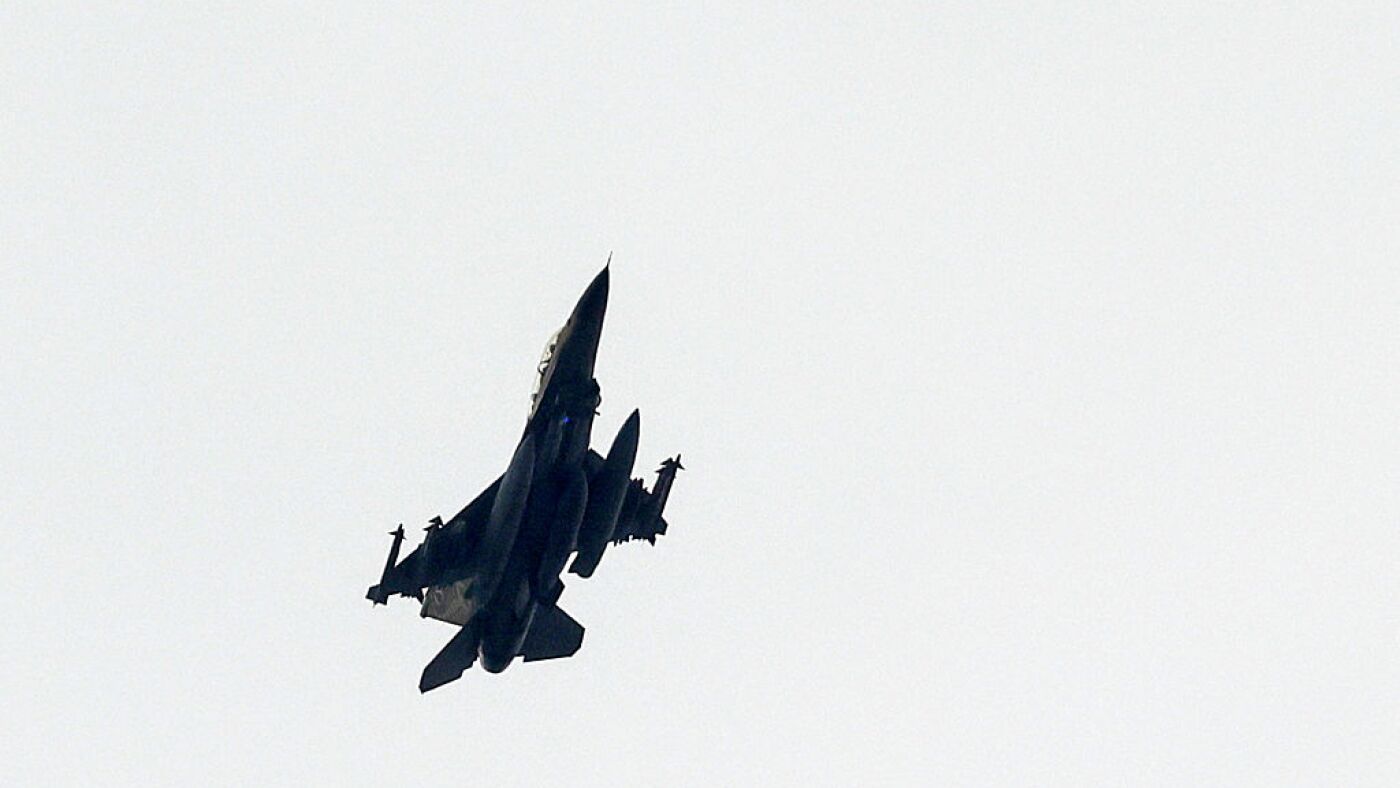
President Trump announced on social media that U.S. forces had “totally obliterated every MILITARY target” on Kharg Island, Iran’s main oil export terminal, while saying the U.S. had intentionally spared the island’s oil infrastructure. The announcement came amid sustained U.S.-Israeli strikes described as “Operation Epic Fury,” which U.S. officials say have hit thousands of targets. The conflict has produced significant casualties: Iranian, Lebanese and Israeli officials report large numbers of dead and wounded; the U.S. has confirmed 13 service members killed over two weeks of fighting, including six crew members lost when a KC-135 refueling plane went down in western Iraq (CENTCOM said the loss was not due to hostile or friendly fire). The article also notes a growing humanitarian crisis — millions displaced in Iran and Lebanon — and reports of additional U.S. forces (about 2,200 Marines) being deployed to the region. Regional officials expect the conflict could continue with cycles of intermittent strikes and retaliation, and Israeli leaders are debating broader ground operations in Lebanon.
Biblical Reflection
Through a biblical lens this story raises several urgent moral and spiritual concerns. Scripture affirms that civil authorities bear responsibility for justice and the protection of the innocent (e.g., Romans 13), so a government’s duty to defend its citizens and deter aggression is not inherently unbiblical. But the tone and content of the president’s public messages — boasting of having “totally obliterated” military targets and threatening to “wipe out” economic infrastructure if coerced — should prompt sober reflection. The Bible warns repeatedly against pride, boasting, and premature celebration (Proverbs 16:18; James 4:13–16). When leaders speak triumphantly about destruction, Christians must ask whether those words reflect justice, humility, or a posture that dehumanizes enemies and normalizes violence.
Equally important is the call to be peacemakers. Jesus blesses those who pursue peace (Matthew 5:9), and the New Testament repeatedly directs followers to love enemies and pray for those who persecute them (Matthew 5:44; Romans 12:17–21). The humanitarian toll — large numbers killed, wounded, and displaced — confronts the church with practical obligations: to grieve with those who grieve, to advocate for noncombatant protection, and to provide or support humanitarian relief.
The article also highlights how war reshapes economies and livelihoods (Kharg Island’s oil role) and risks long-term cycles of tit-for-tat violence. Christians should press for prudent, proportional actions that protect civilians, seek diplomatic avenues, and prioritize reconciliation where possible. At the same time, we must mourn loss, pray for leaders’ wisdom, and resist the temptation to celebrate suffering of others. True Christian witness in such moments is neither naive pacifism nor jingoistic triumphalism, but a grief-infused pursuit of justice, mercy, and peace.
Scripture in context
This outlook does not yet include contextual Scripture citations. Do not treat a general biblical theme as an exegetical conclusion.
Faithful Response
No prescribed response is offered. Consider the reflection prompts below in your own church context.
Reflection and Discussion
- 1How do I respond in prayer and action when leaders publicly celebrate military destruction? Does my posture reflect Christlike grief or complacency?
- 2In what concrete ways can I support and advocate for the protection of civilians and for humanitarian aid to those displaced by this conflict?
- 3How can my church/community embody peacemaking now — through prayer, informed advocacy, and compassionate care for victims?
Sources
Reporting links are evidence inputs; Sanctuary News' biblical reflection is commentary.
This outlook currently relies on fewer than two linked sources. Broaden verification before teaching from it.
- 1.Original reportprimary