News Summary
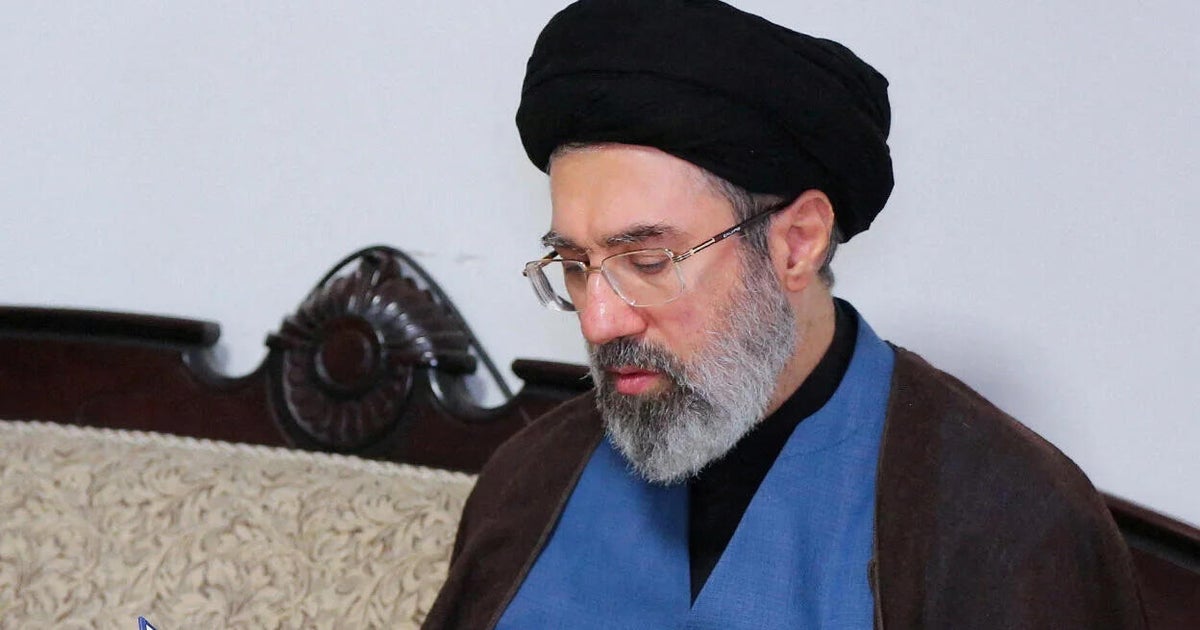
U.S. intelligence briefed President Trump and close advisers that Iran’s late supreme leader, Ayatollah Ali Khamenei, had reservations about his son, Ayatollah Mojtaba Khamenei, succeeding him. The circulated analysis portrayed Mojtaba, 56, as perceived by the elder Khamenei and others to be unqualified, with personal problems. Mojtaba was selected by Iran’s council of clerics to be supreme leader after Ali Khamenei was killed in an Israeli missile strike at the opening of the U.S.-Israel war with Iran. Reports indicate Mojtaba may have been injured in that strike and his current status remains uncertain. Senior U.S. officials — including Vice President JD Vance and Defense Secretary Pete Hegseth — have commented that Iran’s Revolutionary Guard Corps (IRGC) may now be effectively running the country, signaling a shift from the theocratic control exercised since 1979. The U.S. government posted up to $10 million for information on Mojtaba and other Iranian officials. President Trump has publicly described the younger Khamenei as a "lightweight," questioned his legitimacy, and signaled interest in influencing or overseeing Iran’s next leadership arrangements.
Biblical Reflection
From a biblical perspective this story raises several concerns and reminders. Scripture calls leaders to wisdom, humility and moral competence; when leadership is weak or disputed, ordinary people suffer (Proverbs). The intelligence report about a father’s misgivings toward his son’s fitness for office underscores how human ambition, dynastic impulses, and flawed succession can produce instability — yet our response must be shaped by Christian virtues. Christians should resist triumphalism or gloating over the fall of an enemy (Romans 12:14–21), and we should be wary of rhetoric that dehumanizes individuals or treats political outcomes as purely a win/lose sport. At the same time, the church must pray for truth and justice: pray for honest counsel for all leaders, for protection of civilians caught in war, and for an end to cycles of violence. The U.S. offering bounties and publicizing intelligence about foreign leaders raises ethical questions about how power is exercised; Scripture repeatedly calls leaders to exercise authority justly and with fear of God (Micah 6:8, Proverbs). Ultimately, Christians are reminded that political intelligence and human schemes are not substitutes for God’s sovereignty and for the primary call to be peacemakers and instruments of mercy. We should seek wisdom in discerning facts, compassion for those who suffer as a result of leadership failures and conflict, and humility rather than partisan triumphalism as events unfold.
Scripture in context
This outlook does not yet include contextual Scripture citations. Do not treat a general biblical theme as an exegetical conclusion.
Faithful Response
No prescribed response is offered. Consider the reflection prompts below in your own church context.
Reflection and Discussion
- 1How am I tempted to respond with schadenfreude or triumph when enemies or rival leaders falter, and how would Christ have me respond instead?
- 2In what ways can I pray for wisdom and protection for ordinary people who suffer when leadership is contested or violent?
- 3Am I seeking reliable information and wise counsel before forming opinions about complex international events, or am I letting partisan narratives shape my judgment?
Sources
Reporting links are evidence inputs; Sanctuary News' biblical reflection is commentary.
This outlook currently relies on fewer than two linked sources. Broaden verification before teaching from it.
- 1.Original reportprimary