News Summary
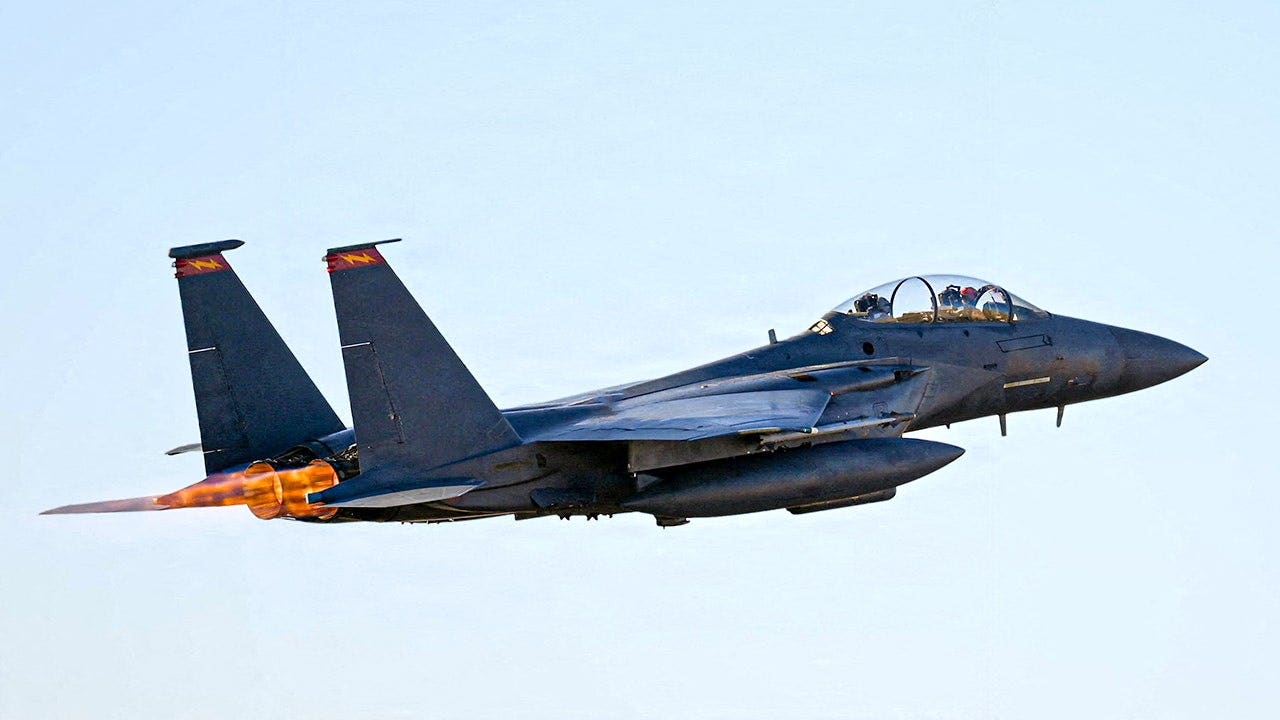
An F-15E Strike Eagle was struck by enemy fire over Iran. The two-man crew — a pilot and a weapon systems officer — ejected from the aircraft and were subsequently recovered by U.S. forces. The pilot was recovered later on the same day; the weapon systems officer evaded capture and was located and rescued two days later. The article describes the technical sequence of ejection (canopy separation, seat rocket, intense acceleration, parachute deployment), the extreme forces experienced (reported ranges of roughly 14–20 G), common injury risks (spinal fractures, flail injuries), and survival statistics for modern ejection systems (reported survival rates of roughly 90–95% with major injuries in about one-third of cases). It summarizes pilot training for ejection and parachute landing, notes HH-60W helicopters were used in recovery efforts, and quotes a public statement from former President Donald Trump describing the weapon systems officer’s evasion and rescue. Sources cited include military experts and a former F-16 pilot; no Iranian perspective or detailed operational or political context for the mission is provided in the article.
Biblical Reflection
From a Christian perspective the article highlights both the fragility of human life and the courage and skill of those who serve in dangerous circumstances. The factual technical focus — on forces, injuries, training, and rapid recovery — honors the reality of risk and the value of readiness without needing rhetorical embellishment. At the same time, readers should note the article’s narrower frame: it centers U.S. personnel, U.S. sources, and rescue success, while omitting broader context such as the mission’s objectives, the perspective of the other side, or the diplomatic and humanitarian consequences of operations in contested airspace. This framing can naturally encourage admiration for bravery and competent rescue, but it can also simplify complex moral and political questions about war, national policy, and the cost of conflict. Scripture calls Christians to both honor those who serve and to pursue peace (e.g., respect and pray for those in harm’s way while seeking the well‑being of all). Be cautious of implicit assumptions that valorize force without reflection; instead balance gratitude for rescue and skill with sober questions about causes, proportionality, and the suffering on every side. The article is largely technical and accurate in describing ejection physiology and rescue risks, but its selective focus reflects a pro‑rescue, pro‑service worldview and omits countervailing perspectives that would deepen understanding.
Scripture in context
This outlook does not yet include contextual Scripture citations. Do not treat a general biblical theme as an exegetical conclusion.
Faithful Response
No prescribed response is offered. Consider the reflection prompts below in your own church context.
Reflection and Discussion
- 1What perspectives or facts are missing because the report centers only on the U.S. crew and rescue, and how would those additional perspectives change your understanding of the event?
- 2How does the article's language (focus on violence, heroism, survival) shape our emotional response, and does that response help or hinder wise, prayerful judgment about conflict?
- 3Are we balancing gratitude for professional skill and rescue with a biblical call to seek peace and to consider the full human cost of military action?
Sources
Reporting links are evidence inputs; Sanctuary News' biblical reflection is commentary.
This outlook currently relies on fewer than two linked sources. Broaden verification before teaching from it.
- 1.Original reportprimary