News Summary
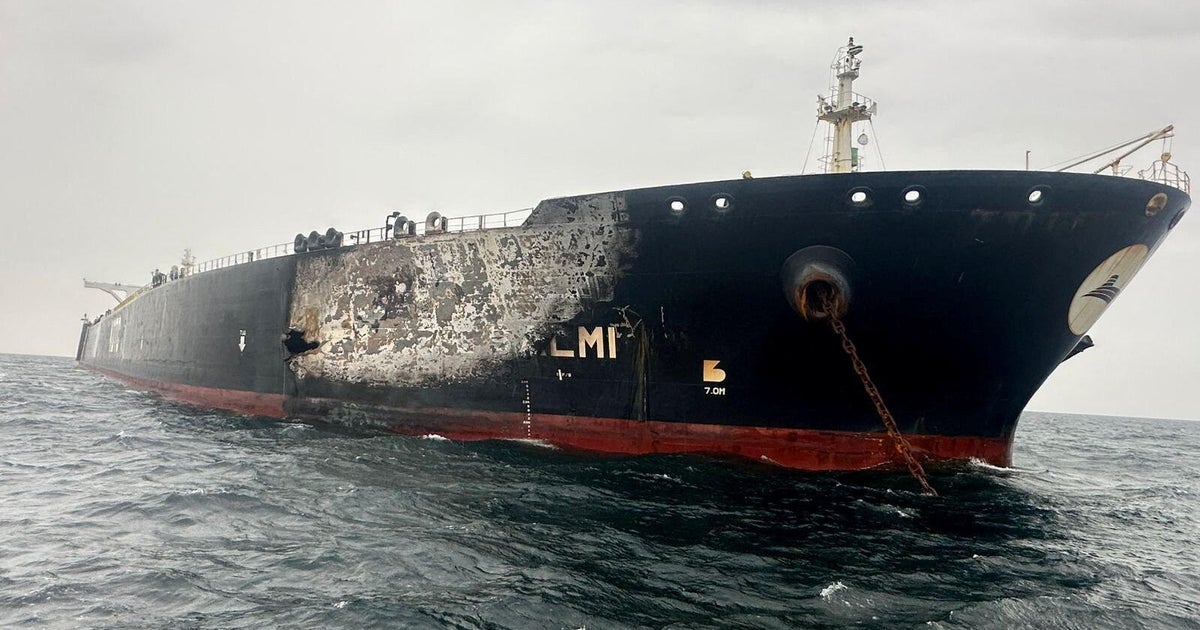
U.S. and Israeli forces carried out strikes in and around Tehran and other parts of Iran amid an ongoing U.S.-Israeli campaign; Iranian state media and witnesses reported blasts and damage within Tehran, including what appears to be an impact inside the compound of the former U.S. embassy. Iran and Iran-aligned groups continued retaliatory actions: Yemen's Houthi movement claimed a missile attack on Israel said to be conducted jointly with Iran and Hezbollah; Iran-linked strikes and drone attacks were reported against Gulf states and infrastructure, including a reported drone attack on fuel tanks at Kuwait International Airport, a tanker struck off Qatar, and damage to Gulf energy facilities. Iran's IRGC threatened to target 18 U.S.-based technology and financial firms in the region and state media reported arrests of people alleged to have provided sensitive information to hostile outlets.
President Trump told reporters and in interviews that U.S. operations against Iran could end in "two weeks, maybe three," said he might stop trying to force reopening of the Strait of Hormuz and suggested other countries should secure their own oil, and reiterated that talks or message exchanges with Iran were occurring through intermediaries. Trump also posted that reopening the strait could be left to others and made public comments about targeting Iranian infrastructure if no deal is reached. European NATO allies publicly limited support for offensive operations, with Spain and Italy restricting use of airspace or bases for operations connected to the Iran conflict. Financial markets rose on signs the conflict might de-escalate; gasoline prices in the U.S. surpassed $4 per gallon.
Separately, an American journalist, Shelly Kittleson, was reported kidnapped in Baghdad; Iraqi authorities said they arrested a suspect linked to an Iranian-aligned militia. The U.S. State Department warned Americans in parts of the region to avoid gatherings, citing threats. Multiple countries, including the U.K., France and Gulf states, announced military posture changes, troop deployments, or travel and entry restrictions tied to the conflict. Reports also described damage to civilian infrastructure — including alleged strikes on water desalination and power plants — and casualties among military personnel, peacekeepers and civilians across several fronts. Many claims remain contested or are reported by the parties involved.
Biblical Reflection
From a Christian perspective, the article surfaces several moral and spiritual concerns. First, war quickly multiplies human suffering — civilians, children, and essential services (water, power, medical supplies) are being impacted — and that calls Christians to pray for and advocate for the protection of innocents (Psalm 82:3). Second, rhetoric that treats other peoples or nations as merely strategic objects or resources (e.g., "go get your own oil" or boasting about "obliterating" a country) is at odds with the biblical call to love neighbors and recognize the image of God in all people (Matthew 22:37–39). Leaders must be held to account for truthfulness and for prudence when their statements affect life, safety, and economic stability.
The article also shows competing narratives and information gaps: claims about strikes, casualty figures, and who is responsible are presented by interested parties (state media, militaries, officials) and often cannot be independently verified in real time. Christians should therefore practice discernment, avoiding uncritical acceptance of partisan framing and resisting the lure of partisan triumphalism. Scripture calls for seeking peace and pursuing it (Psalm 34:14; Romans 12:18) while also acknowledging the role of legitimate authority (Romans 13). That tension requires prayerful attention to justice, protection for the vulnerable, and support for truthful reporting and careful policymaking.
Finally, the economic ripple effects (fuel and commodity shortages, higher consumer prices) remind Christians of stewardship responsibilities: leaders and citizens alike must consider how public decisions affect the poor and the many who suffer indirectly from geopolitical conflict. The faithful response includes prayer, advocacy for humanitarian relief, support for truth and reconciliation efforts, and pastoral care for those burdened by fear or economic strain.
Scripture in context
This outlook does not yet include contextual Scripture citations. Do not treat a general biblical theme as an exegetical conclusion.
Faithful Response
No prescribed response is offered. Consider the reflection prompts below in your own church context.
Reflection and Discussion
- 1Whose voices are amplified or minimized in this coverage, and how might that framing shape our sympathy, fear, or support for policies?
- 2Do leaders' public statements emphasize accountability and protection of civilians, or do they prioritize strategic advantage and national prestige? How does that align with Christian ethics?
- 3How can Christians hold fast to truth and pursue peace in a context of contested information, partisan pressure, and real human suffering?
Sources
Reporting links are evidence inputs; Sanctuary News' biblical reflection is commentary.
This outlook currently relies on fewer than two linked sources. Broaden verification before teaching from it.
- 1.Original reportprimary