News Summary
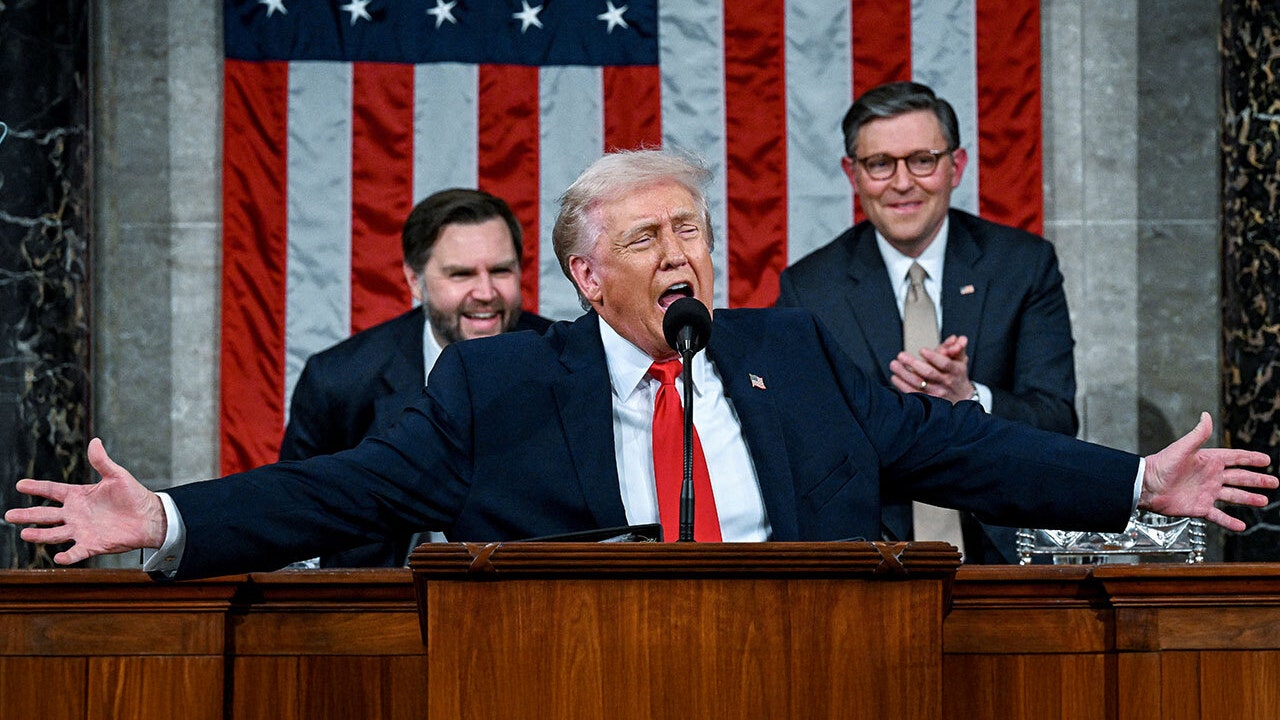
President Donald Trump, during his State of the Union address, issued a stern warning to Iran, labeling it the world's leading state sponsor of terror and vowing never to allow it to acquire nuclear weapons. Trump highlighted recent U.S. military actions, including Operation Midnight Hammer, which targeted Iran’s nuclear infrastructure, and pointed to Iran’s missile developments as a danger to global security. He expressed a preference for diplomacy but insisted on Iran's explicit renunciation of nuclear weapons. Iran dismissed the accusations and warned that any U.S. military strike would be met with a severe response. The speech also covered U.S. actions against drug cartels in the Western Hemisphere, NATO burden-sharing, and a broader strategy of deterrence through strength. International reactions ranged from muted to critical, with some seeing the address as heavily motivated by domestic politics. The standoff with Iran continues as further nuclear talks are scheduled in Geneva.
Biblical Reflection
From a biblical perspective, this article highlights the tension between the pursuit of peace and the use of force in global affairs. Scripture acknowledges the reality of conflict in a fallen world, but repeatedly calls believers and leaders to seek peace and pursue justice (Psalm 34:14, Matthew 5:9). While governments are granted authority to protect their people (Romans 13:1-4), the ultimate goal should always be reconciliation and peace, not escalation. The rhetoric and actions described here—emphasizing power and deterrence—reflect a reliance on human strength and military might. Yet, the Bible warns against trusting in chariots and horses (Psalm 20:7) and calls for humility, prayer, and seeking God's wisdom in times of conflict (James 1:5). The lack of global consensus and the escalation of threats underscore the brokenness of international relations, reminding Christians to pray for leaders, for wisdom, and for the softening of hearts toward true peace. The Christian response should be one that upholds truth and justice, yet never loses sight of the call to be peacemakers and to trust in God's sovereignty above all.
Scripture in context
This outlook does not yet include contextual Scripture citations. Do not treat a general biblical theme as an exegetical conclusion.
Faithful Response
No prescribed response is offered. Consider the reflection prompts below in your own church context.
Reflection and Discussion
- 1How can we, as followers of Christ, encourage our leaders to pursue peace while standing for justice in a dangerous world?
- 2In what ways might we be tempted to place our trust in human power rather than in God's ultimate control?
- 3How can you personally be a peacemaker in situations of conflict, whether global or local?
Sources
Reporting links are evidence inputs; Sanctuary News' biblical reflection is commentary.
This outlook currently relies on fewer than two linked sources. Broaden verification before teaching from it.
- 1.Original reportprimary