News Summary
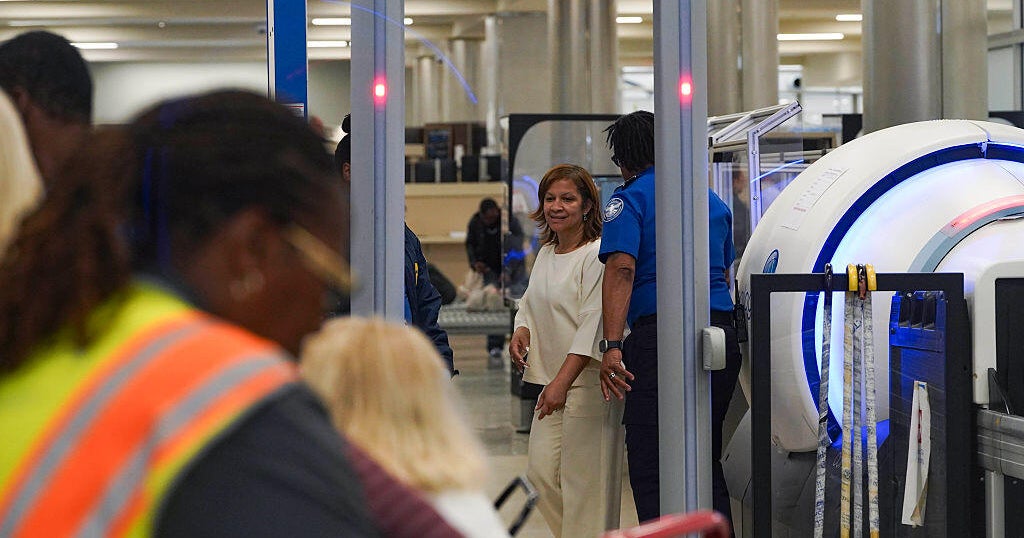
President Trump posted on Truth Social that he would deploy Immigration and Customs Enforcement (ICE) officers to U.S. airports to provide security and potentially arrest people in the country illegally if Congress did not fund the Department of Homeland Security amid a partial government shutdown. The directive surprised ICE officials, who have been working to develop a plan to implement the order. TSA has seen hundreds of resignations and a high number of employee call-outs as TSA workers continue to work without pay, increasing lines at airport security checkpoints.
White House border adviser Tom Homan said he was working with TSA and ICE leaders on an approach that could have ICE provide site security—securing entry and exit points and checking IDs—so TSA screeners could focus on baggage and passenger screening. Officials noted ICE officers have legal authority to arrest individuals they believe are in the country illegally, though it is unclear whether airport deployment would include immigration arrests. Former ICE officials and unions cautioned that ICE officers are not trained for technical screening tasks and that inserting immigration enforcement into airports could distract from security functions and create conflicting missions. Congressional Democrats have demanded immigration enforcement reforms in exchange for DHS funding, and unions urged lawmakers to fund TSA employees to address the staffing crisis rather than change mission roles.
Biblical Reflection
This story raises several scriptural and ethical considerations about leadership, the use of power, care for the vulnerable, and the proper ordering of public goods.
First, Scripture affirms the necessity of governing authorities to maintain public order (Romans 13:1–4). Governments have a responsibility to protect citizens and ensure the common good. However, the Bible equally requires that authority be exercised with justice, mercy, and wisdom (Micah 6:8). A rapid redeployment of a law-enforcement force into a civilian setting without clear purpose, training, or safeguards risks undermining justice and prudence—especially when it might conflate security with immigration enforcement and increase fear among people simply traveling.
Second, Jesus and the prophets repeatedly call believers and leaders to care for the stranger and the vulnerable (Leviticus 19:33–34; Matthew 25:35–40). Policy decisions that put already marginalized people at greater risk, or that instrumentalize immigration enforcement for political leverage, deserve sober scrutiny. Christians should be wary of rhetoric or actions that use the weight of authority to intimidate or scapegoat, because God’s justice puts a premium on mercy and protecting those without power.
Third, the situation highlights responsibilities toward those who serve public safety—the TSA officers on unpaid duty. Scripture speaks to fair treatment of workers and the moral duty to provide for those who labor (James 5:4; Deuteronomy 24:14–15). Leaving essential workers unpaid while shifting mission responsibilities can betray stewardship and neighbor-love: ensuring trained personnel are supported is part of protecting the common good.
Finally, the announcement—made publicly on social media and described as a directive that caught officials off guard—reminds Christians to value counsel, planning, and humility. Proverbs (and practical governance) teach that plans made without wise counsel are precarious. Leaders should pursue solutions that genuinely increase safety without sacrificing justice, clarity of mission, or the dignity of persons. For Christians, responding includes praying for discernment for leaders, advocating for the just treatment of all people involved, and supporting measures that protect the public while showing mercy to strangers.
Scripture in context
This outlook does not yet include contextual Scripture citations. Do not treat a general biblical theme as an exegetical conclusion.
Faithful Response
No prescribed response is offered. Consider the reflection prompts below in your own church context.
Reflection and Discussion
- 1How can I pray and advocate in ways that promote both public safety and compassionate treatment of migrants and workers?
- 2Are there ways my church or community can support TSA employees, travelers, or migrants affected by policy shifts or staffing crises?
- 3When leaders exercise power quickly or publicly, how can I discern whether their actions reflect justice, mercy, and humility?
Sources
Reporting links are evidence inputs; Sanctuary News' biblical reflection is commentary.
This outlook currently relies on fewer than two linked sources. Broaden verification before teaching from it.
- 1.Original reportprimary