News Summary
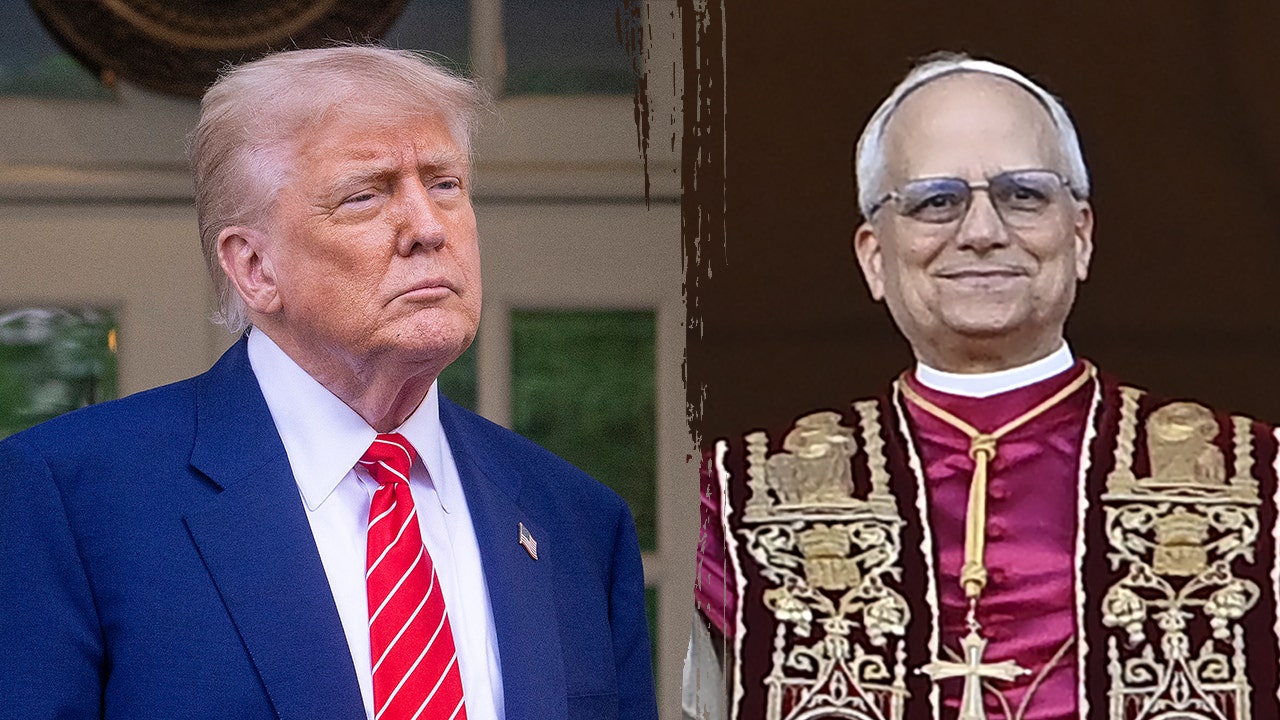
President Donald Trump refused to apologize after Bishop Robert Barron publicly suggested he should apologize to Pope Leo for comments Trump posted on Truth Social. The dispute stems from the Pope's public comments about the Iran conflict and concerns about escalation; Trump criticized the Pope's stance as "wrong" and "weak," and said he would not apologize because of perceived risks from a nuclear-capable Iran. Barron acknowledged the Trump administration's record on religious liberty but called the president's social-media remarks "inappropriate and disrespectful," urged dialogue between Trump administration Catholics and Vatican officials, and said an apology was owed. The article also notes that Trump posted, then deleted, an AI-generated image many viewers called blasphemous that some interpreted as portraying him in a Christ-like manner; Trump said the image was meant to depict him "as a doctor." The coverage highlights tensions among the White House, Catholic leaders, and public reactions over both foreign policy and the tone of political speech.
Biblical Reflection
From a Christian perspective, this episode raises questions about speech, authority, and how believers balance truth, charity, and civic responsibility. Defending life and opposing nuclear proliferation are legitimate moral concerns, but Christian witness calls us to express convictions with humility and respect (James 3 warns about the power of the tongue). Bishop Barron’s appeal for dialogue and an apology reflects a pastoral desire for reconciliation and civil discourse, which aligns with Jesus’ teaching to pursue peace and unity among believers. The use of social media and provocative imagery compounds the problem: Christians are called to avoid spectacle that elevates self and diminishes reverence for Christ (Philippians 2:3–11). Readers should also note media framing and political loyalties can amplify conflict; evaluate facts (claims about crime statistics, security threats, and the Pope's statements) separately from rhetorical attacks. Ultimately, truth-telling should be coupled with love — correcting or contesting public leaders is sometimes necessary, but the method matters for the credibility of the gospel and for Christian witness in a polarized public square.
Scripture in context
This outlook does not yet include contextual Scripture citations. Do not treat a general biblical theme as an exegetical conclusion.
Faithful Response
No prescribed response is offered. Consider the reflection prompts below in your own church context.
Reflection and Discussion
- 1How does our political allegiance shape whether we prioritize respectful dialogue or partisan victory when religious leaders and public officials disagree?
- 2When confronting threats to life or national security, how can Christians hold firm convictions without abandoning humility, charity, and the call to reconciliation?
- 3What signs should we watch for that media framing or social-media spectacle is driving the conversation more than substantive moral reasoning?
Sources
Reporting links are evidence inputs; Sanctuary News' biblical reflection is commentary.
This outlook currently relies on fewer than two linked sources. Broaden verification before teaching from it.
- 1.Original reportprimary