News Summary
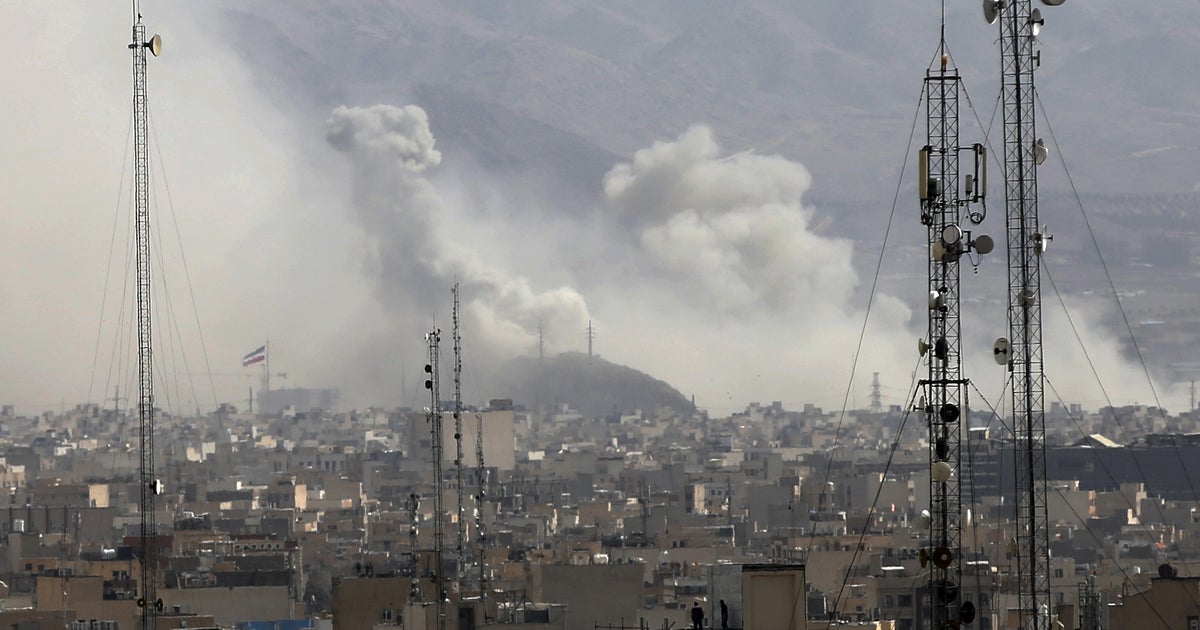
The article details a significant escalation of conflict in the Middle East, with the United States and Israel launching major military operations against Iran. President Trump confirmed the operations, citing failed diplomatic efforts to curb Iran's nuclear ambitions. The strikes targeted Iranian military and nuclear infrastructure, leading to retaliatory missile attacks by Iran on U.S. bases throughout the region. U.S. embassies in several Middle Eastern countries issued shelter-in-place orders for American citizens. Political leaders in the U.S. expressed varying degrees of support or criticism—some seeing the operation as necessary to prevent Iran from acquiring nuclear weapons, others warning of the risks of war and the potential for civilian casualties. Protest movements within Iran and statements from exiled figures like Reza Pahlavi were also noted, though the primary focus remained on the military escalation and its global ramifications.
Biblical Reflection
From a biblical perspective, war—especially on this scale and with such risk of civilian harm and regional destabilization—must be approached with deep caution and lament. Scripture recognizes the reality of conflict in a fallen world (James 4:1-2), but consistently calls God's people to be peacemakers (Matthew 5:9) and to seek justice, mercy, and the preservation of human life. The rhetoric of 'noble missions' and promises of freedom must be weighed against the likely suffering, destruction, and loss of life war brings. The Bible warns against trusting in human might and power (Psalm 20:7), and urges leaders to pursue peace whenever possible (Romans 12:18). While the desire to prevent nuclear proliferation and protect innocents is understandable, the cycle of violence and retaliation described here shows how easily human plans escalate into tragedy. The Christian response should be one of prayer for peace, discernment for leaders, compassion for all victims, and advocacy for solutions that honor the dignity and worth of every person involved.
Scripture in context
This outlook does not yet include contextual Scripture citations. Do not treat a general biblical theme as an exegetical conclusion.
Faithful Response
No prescribed response is offered. Consider the reflection prompts below in your own church context.
Reflection and Discussion
- 1How does the call to be a peacemaker shape your view of military conflict and political decisions?
- 2In what ways might Christians advocate for peace and justice in the midst of escalating violence?
- 3How can prayer and practical support be offered for both leaders and innocent people affected by war?
Sources
Reporting links are evidence inputs; Sanctuary News' biblical reflection is commentary.
This outlook currently relies on fewer than two linked sources. Broaden verification before teaching from it.
- 1.Original reportprimary