News Summary
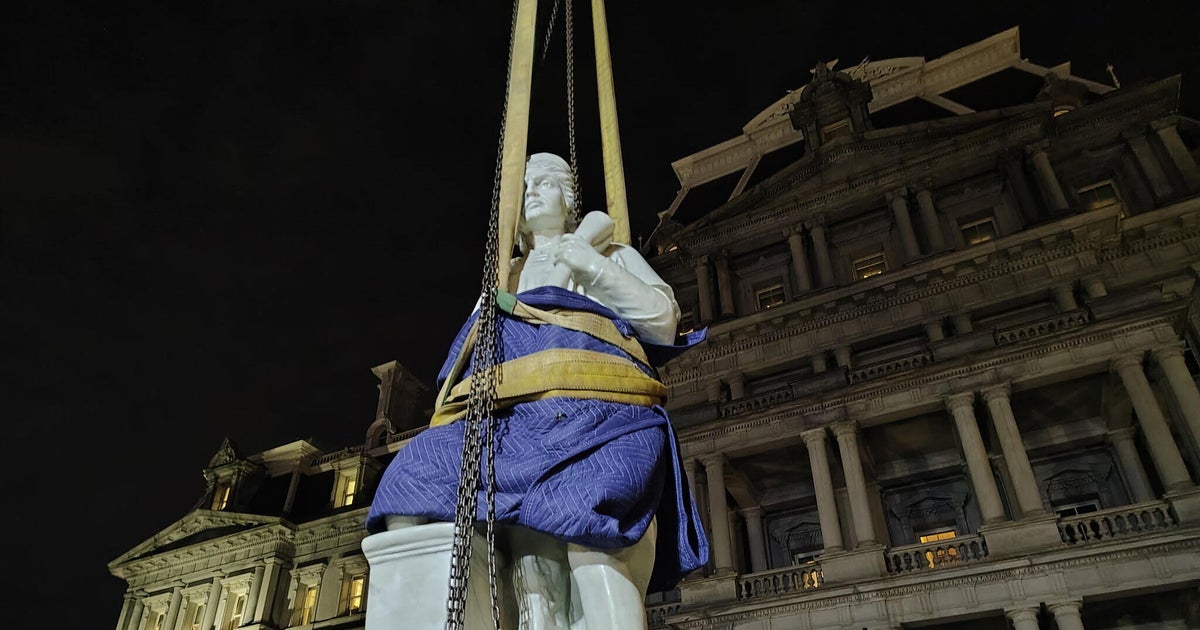
On March 23, 2026, a replica of a Christopher Columbus statue—originally toppled and thrown into Baltimore’s Inner Harbor during 2020 protests—was placed on the grounds of the Eisenhower Executive Office Building adjacent to the White House. The statue, a mostly marble work by sculptor Will Hemsley owned by the Italian American Organizations United, was loaned to the federal government. The White House framed the placement as honoring Columbus as a hero and preserving his reputation; President Trump and his allies portrayed the move as a defense of traditional historical narratives against what they call efforts to erase or rewrite the past. Critics note Columbus’s association with the conquest, exploitation, and mass suffering of Indigenous peoples, and point to a broader movement that has replaced some Columbus Day observances with recognition of Indigenous Peoples Day. The article records supporters’ satisfaction that the statue will be protected, and situates this event within the larger national debate over monuments, historical memory, and protests that erupted in 2020 after George Floyd’s death.
Biblical Reflection
Scripturally informed reflection should resist both simple idolization and blanket erasure. The Bible insists on truth-telling and justice for the suffering (e.g., prophets condemning oppression) while also calling people to repentance, humility, and restoration. Honoring a historical figure like Columbus for navigation and the opening of global trade can be true, but it becomes false and sinful if it whitewashes or denies the violence and exploitation inflicted on Indigenous peoples. Christians are called to 'act justly' and to 'love mercy' (Micah 6:8); that requires listening to those who were harmed, acknowledging wrongs in our shared history, and seeking repair where possible. At the same time, Christian faith warns against using religious language to sanctify political posturing or to harden hearts against the vulnerable: leaders who deploy symbols primarily to stoke division are not following the servant-leadership example of Christ. Practically, the faithful should press for historical honesty, advocate for victims’ dignity, and pursue reconciliation initiatives that pair remembrance with repentance and restorative action. Public monuments are not merely decorative: they shape civic memory. The Christian response is to insist that memory be truthful, compassionate to the oppressed, and oriented toward healing rather than triumphalism.
Scripture in context
This outlook does not yet include contextual Scripture citations. Do not treat a general biblical theme as an exegetical conclusion.
Faithful Response
No prescribed response is offered. Consider the reflection prompts below in your own church context.
Reflection and Discussion
- 1When I encounter public symbols that celebrate contested historical figures, how do I balance honoring achievements with confessing and lamenting past harms?
- 2Are there practical ways I or my church can listen to or support Indigenous communities in seeking truth, healing, and justice?
- 3Am I allowing political identity to harden my heart toward people who hurt or were hurt in our shared history, or am I pursuing humility and reconciliation?
Sources
Reporting links are evidence inputs; Sanctuary News' biblical reflection is commentary.
This outlook currently relies on fewer than two linked sources. Broaden verification before teaching from it.
- 1.Original reportprimary