News Summary
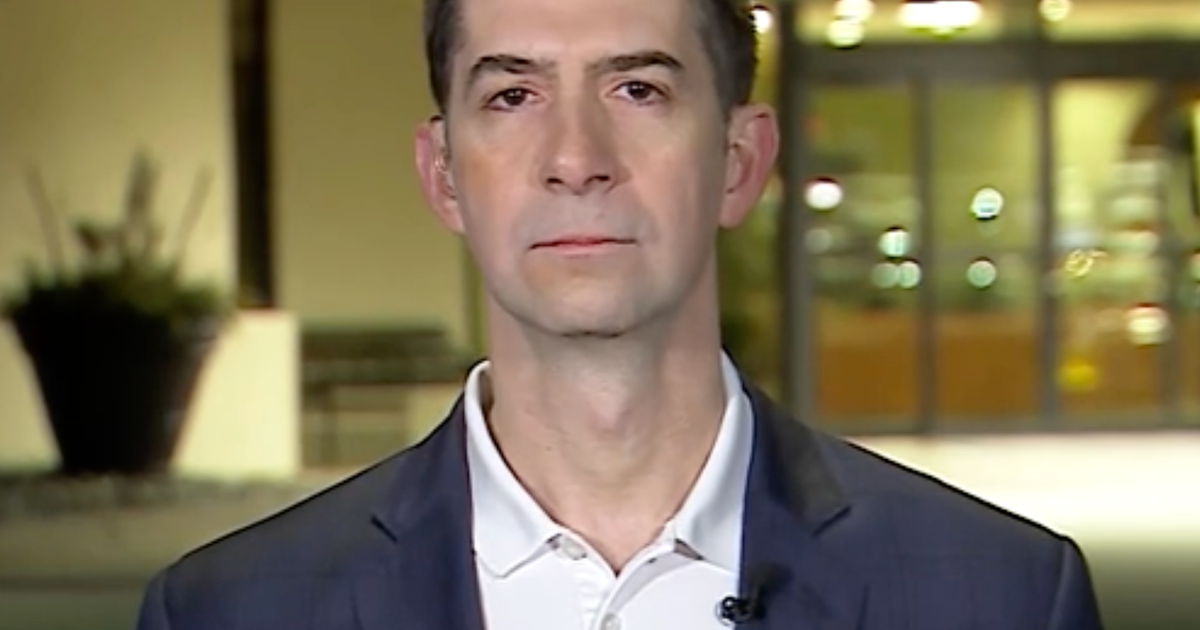
The transcript covers an interview with Senator Tom Cotton, the chairman of the Senate Intelligence Committee, regarding recent U.S. military actions against Iran following the reported death of Iran's Supreme Leader. Senator Cotton clarifies that the current U.S. strategy involves extended air and naval campaigns targeting Iran’s missile capabilities, not ground invasion. He notes the risks involved, such as potential casualties, and emphasizes robust intelligence cooperation between the U.S. and Israel. Cotton repeatedly states that the future of Iran’s regime is uncertain, with internal succession struggles ongoing. The senator supports the administration's approach, highlighting the oppression and violence of Iran's regime and expressing hope for the Iranian people to reclaim their freedom. The conversation also addresses the lack of Congressional approval for the military action and the communication challenges regarding the administration’s justification to the American public.
Biblical Reflection
Through the lens of Scripture, this news story highlights the tragic reality of ongoing conflict and the complexities of human governance. Scripture consistently calls believers to seek peace (Matthew 5:9; Romans 12:18), to pray for leaders (1 Timothy 2:1-2), and to remember the inherent value of every human life. The interview reveals a world in which violence, regime change, and power struggles are normalized means of achieving security and justice. Yet, the gospel proclaims that lasting peace and justice ultimately come not through might or political maneuvering, but through Christ and the transformation of hearts (Isaiah 2:4; Micah 6:8). Christians are called to be peacemakers and advocates for nonviolent solutions, even while recognizing the real dangers and injustices in the world. The lack of clarity about the future in Iran and the reliance on force should prompt followers of Jesus to pray for wisdom, peace, and for the flourishing of all people—including those considered enemies. The story also raises questions about accountability, transparency, and the responsibility of governments to act justly and seek the common good, echoing biblical calls for justice and truth (Proverbs 21:3; Psalm 82:3-4).
Scripture in context
This outlook does not yet include contextual Scripture citations. Do not treat a general biblical theme as an exegetical conclusion.
Faithful Response
No prescribed response is offered. Consider the reflection prompts below in your own church context.
Reflection and Discussion
- 1How can you pray for peace and wisdom for world leaders during times of conflict?
- 2What does it look like to be a peacemaker in a world where violence so often seems like the only solution?
- 3How might you advocate for justice and transparency in your own community or nation?
Sources
Reporting links are evidence inputs; Sanctuary News' biblical reflection is commentary.
This outlook currently relies on fewer than two linked sources. Broaden verification before teaching from it.
- 1.Original reportprimary