News Summary
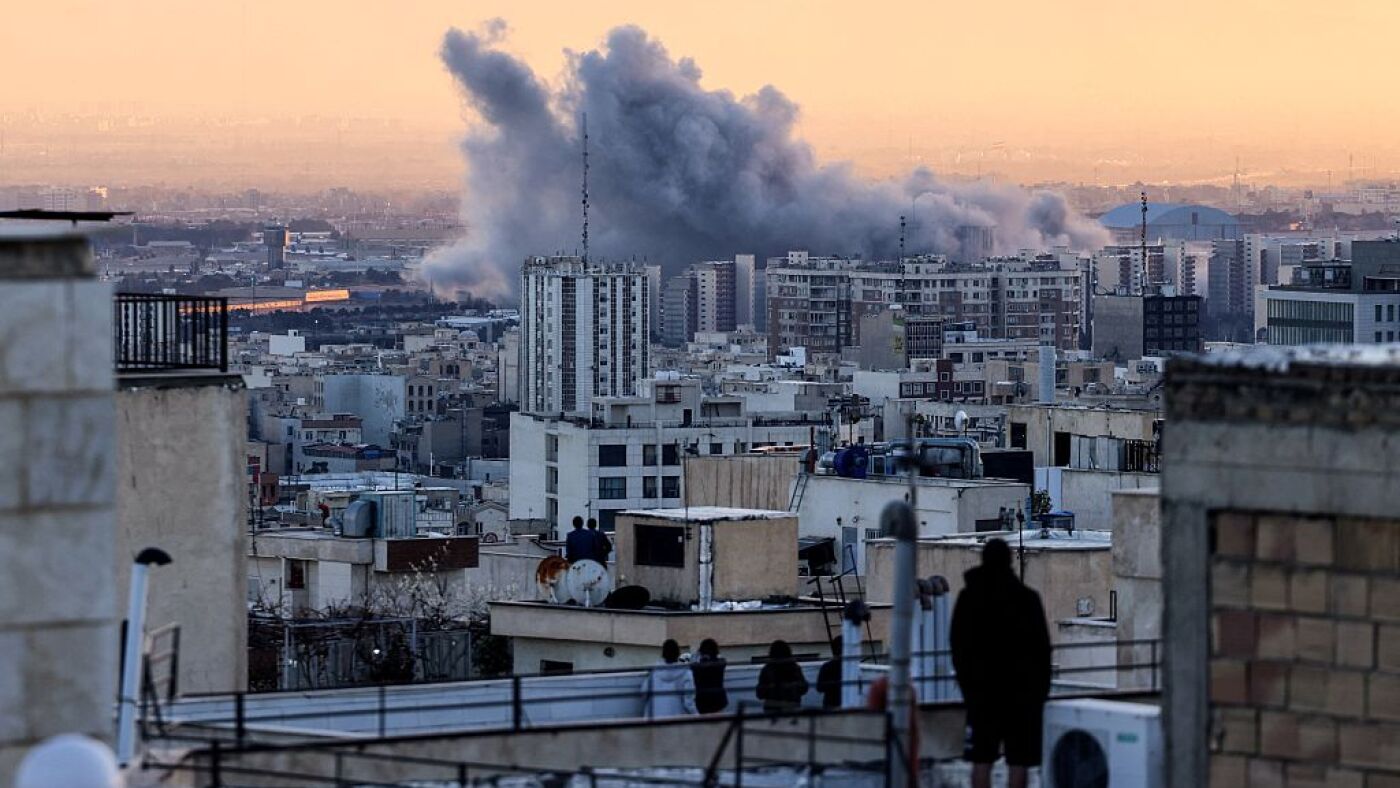
The article recounts the latest developments as the U.S. and Israel continue large-scale military operations against Iran, now in their fifth day. The U.S. has sunk Iranian naval vessels and destroyed missile launchers, while Iran has retaliated with hundreds of missiles and drones targeting U.S. and allied interests across the Middle East. Civilian casualties are mounting, with incidents including a deadly strike on an Iranian elementary school. The U.S. has deployed massive military resources, raising concerns in Congress about escalation and the potential for ground troop deployment. American diplomatic sites in the region have come under attack, prompting evacuations and urgent advisories for U.S. citizens to leave the region. Meanwhile, Spain has refused to allow U.S. military use of its bases, citing international law and calling for diplomatic solutions. President Trump has given shifting rationales for the strikes, ranging from preempting an Iranian attack to destroying Iran's military capabilities. Thousands of Americans remain stranded or are struggling to evacuate from the conflict zone.
Biblical Reflection
Through a Scriptural lens, this article depicts a world deeply entrenched in the cycle of violence, retaliation, and political maneuvering. The immense human suffering—deaths of children, displacement of thousands, and the fear gripping entire populations—stands in stark contrast to the biblical call for peace, justice, and the protection of the innocent (Isaiah 1:17; Matthew 5:9). While governments cite security and national interest, Scripture repeatedly warns against trusting in military might (Psalm 20:7) and encourages seeking peace and reconciliation (Romans 12:18). The shifting justifications for war and political posturing reveal the frailty of human wisdom and the dangers of pride and vengeance. The Christian response is not to ignore the realities of evil or the need for justice, but to mourn the loss of life, pray for those in harm's way, and advocate for peacemaking over retaliation. The early church in times of empire and conflict modeled a commitment to the dignity of all people and the pursuit of peace, even at great cost. Christians are called to be salt and light in the midst of darkness, to intercede for leaders (1 Timothy 2:1-2), and to remember that every person—friend or enemy—is made in the image of God.
Scripture in context
This outlook does not yet include contextual Scripture citations. Do not treat a general biblical theme as an exegetical conclusion.
Faithful Response
No prescribed response is offered. Consider the reflection prompts below in your own church context.
Reflection and Discussion
- 1How does my heart respond to news of war and suffering? Am I moved to pray, mourn, or advocate for peace?
- 2In what ways might I be tempted to trust in worldly power rather than in God's justice and mercy?
- 3How can I personally or as part of a community be a peacemaker in a world of conflict?
Sources
Reporting links are evidence inputs; Sanctuary News' biblical reflection is commentary.
This outlook currently relies on fewer than two linked sources. Broaden verification before teaching from it.
- 1.Original reportprimary