News Summary
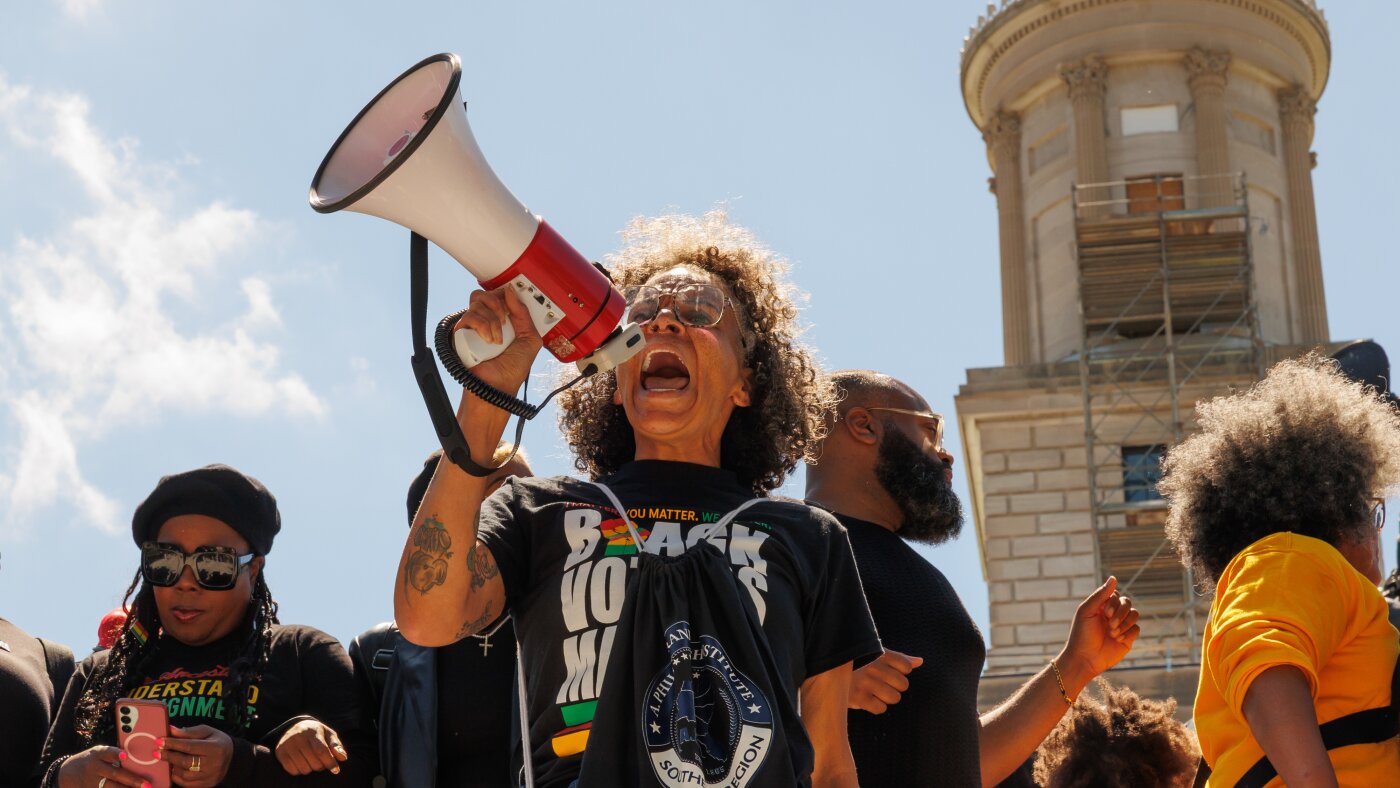
Tennessee Republican lawmakers approved a new congressional map in a special legislative session that redraws districts statewide. The redistricting splits majority-Black Memphis and Shelby County along lines such as Poplar Avenue, distributing the city's Black voters across three congressional districts that are likely to elect Republicans. State Republicans argue the new districts better reflect Tennessee’s overall population and mix urban, suburban and rural voters; Democrats and voting-rights groups contend the map dilutes Black voting strength and amounts to racial and partisan gerrymandering. Several lawsuits have been filed challenging the new map. Local leaders — including pastors, county party chairs and community activists — expressed divergent views: some say the change will improve representation across a broader constituency, others say it undermines Black political power and risks voter discouragement. Candidates and party officials across the new districts acknowledge geographic and cultural challenges for constituent representation. The candidate qualifying deadline under the new map is approaching while court challenges continue.
Biblical Reflection
From a Christian perspective, the story raises two central concerns: justice in the public square and the stewardship of civic voice. The competing narratives—one framing the maps as neutral geographic representation and the other as deliberate dilution of a minority electorate—point to deeper questions about power, fairness, and whose needs are centered. Scripture repeatedly calls God’s people to pursue justice on behalf of the vulnerable (e.g., God’s care for the oppressed and commands to act justly). Historically, Southern redistricting has intersected with racial injustice; that history requires careful listening to the experiences and claims of those who say their voice is being diminished. At the same time, claims of partisan strategy are part of modern politics on all sides. Christians should weigh evidence rather than rhetoric: examine whether lines were drawn with intent to disadvantage voters of a particular race or group, notice who benefits, and test arguments against facts and precedent. The article largely reports perspectives from both parties and local leaders, which helps temper single-sided spin, but emotional language and anecdotes underscore the human cost — frustration, fear, and mobilization. Ultimately the biblical call is to defend fair processes and the enfranchised participation of neighbors, to resist cynicism, and to hold leaders accountable with truth-telling and lawful action. Christians should also model faithful civic engagement: seeking justice, loving mercy, and working humbly for the common good while praying for wisdom and unity.
Scripture in context
This outlook does not yet include contextual Scripture citations. Do not treat a general biblical theme as an exegetical conclusion.
Faithful Response
No prescribed response is offered. Consider the reflection prompts below in your own church context.
Reflection and Discussion
- 1When officials claim new maps are more 'representative,' whose representation is being prioritized and who gains political power?
- 2How does the historical pattern of racial discrimination in voting shape how we should evaluate contemporary redistricting claims?
- 3What evidence distinguishes legitimate attempts to balance urban, suburban and rural interests from maps designed chiefly for partisan advantage?
Sources
Reporting links are evidence inputs; Sanctuary News' biblical reflection is commentary.
This outlook currently relies on fewer than two linked sources. Broaden verification before teaching from it.
- 1.Original reportprimary