News Summary
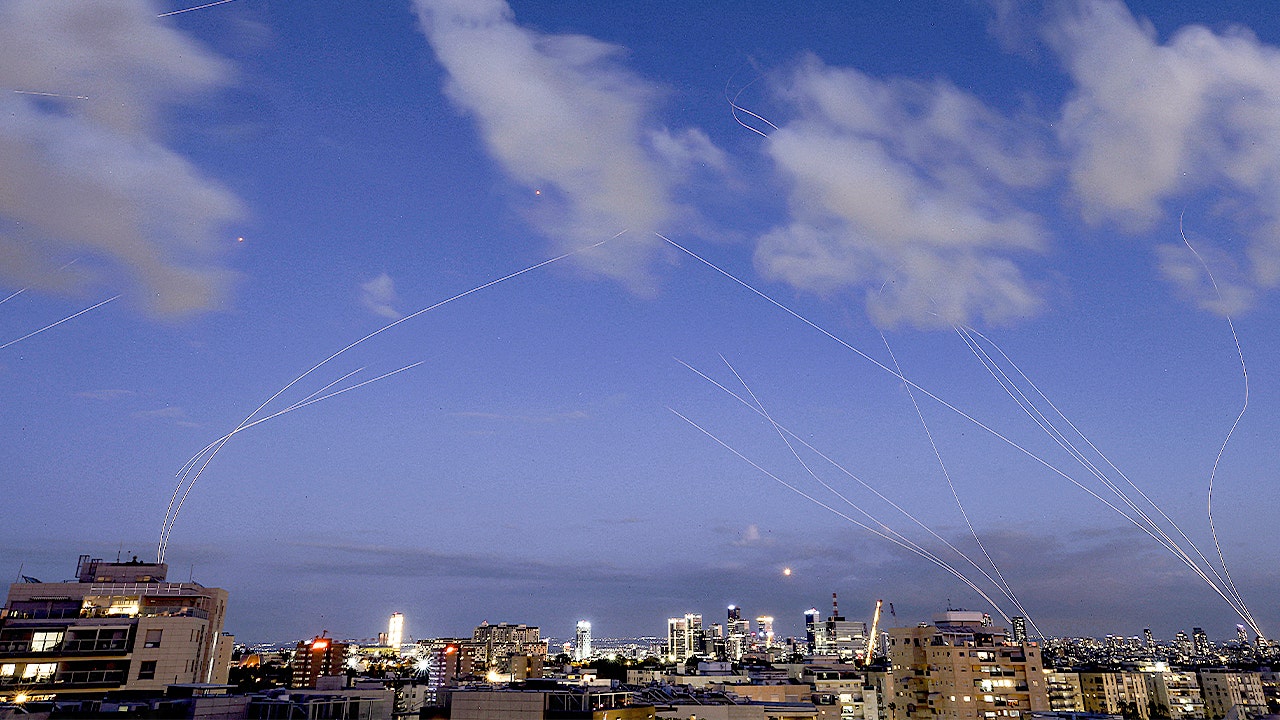
The article reports on the aftermath of Iranian missile strikes on Tel Aviv, which were in retaliation for U.S.-Israeli military operations that killed Iranian leaders. Kobi Michael, a leading security analyst in Tel Aviv, described the past 48 hours as unprecedented, with over 30 missile sirens requiring residents to take shelter repeatedly. The attacks caused numerous casualties and significant damage, including the death of a Filipino national. Israel's President Isaac Herzog called for peace, blaming the Iranian regime for ongoing terror. Iran, reeling from the loss of its Supreme Leader and other top officials, has established a provisional leadership but faces major challenges. The article also references President Trump's resolve to continue military operations until objectives are met. The situation is framed as a turning point for the region, with implications for international order.
Biblical Reflection
Through the lens of scripture, this article highlights the enduring tragedy of war, retaliation, and the cycle of violence that plagues our world. While the analyst refers to these events as 'biblical,' the Bible consistently calls for the pursuit of peace, justice, and reconciliation, even amidst conflict. Jesus teaches, 'Blessed are the peacemakers,' and the prophets envision a day when swords will be beaten into plowshares. The suffering of civilians, the loss of life, and the escalation of violence all stand in stark contrast to the biblical mandate to love one's neighbor and seek peace (Romans 12:18). The call for determination and strength by world leaders, while understandable in the context of national security, should be tempered with humility, mercy, and a genuine desire for reconciliation rather than vengeance. Christians are reminded that while nations may wage war, our ultimate hope and allegiance belong to the Prince of Peace, and we are called to be agents of healing and prayer in a broken world.
Scripture in context
This outlook does not yet include contextual Scripture citations. Do not treat a general biblical theme as an exegetical conclusion.
Faithful Response
No prescribed response is offered. Consider the reflection prompts below in your own church context.
Reflection and Discussion
- 1How can I be a peacemaker in my community and relationships, even when conflict seems unavoidable?
- 2In what ways am I tempted to respond to adversity with retaliation rather than forgiveness?
- 3How can I pray for the leaders and civilians affected by conflict, asking God to guide them toward peace?
Sources
Reporting links are evidence inputs; Sanctuary News' biblical reflection is commentary.
This outlook currently relies on fewer than two linked sources. Broaden verification before teaching from it.
- 1.Original reportprimary