News Summary
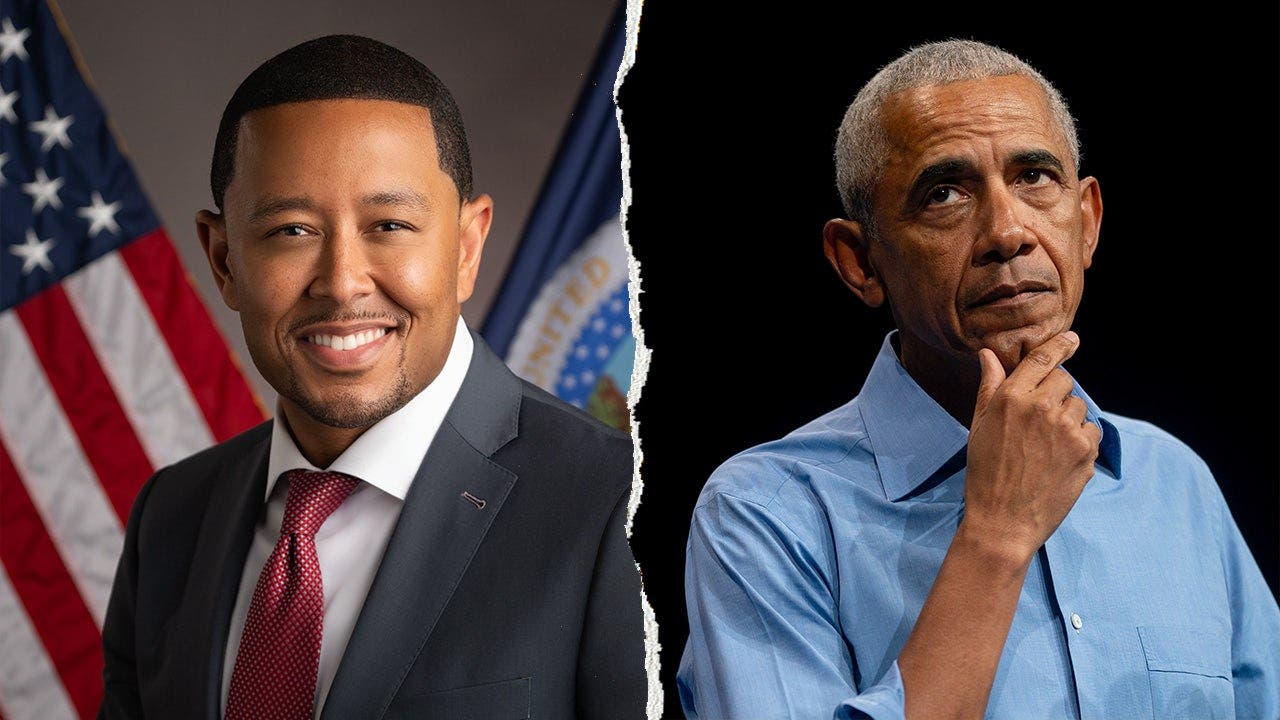
The U.S. Supreme Court issued a 6-3 decision that struck down Louisiana’s 6th Congressional District as it had been redrawn in 2024 with a predominantly Black electorate, holding that states may not use race as the decisive factor in drawing districts to either disenfranchise voters or to ensure minority communities elect preferred candidates. Former President Barack Obama called the ruling disastrous for minority participation in democracy. Tahrohon Wayne (T.W.) Shannon, Oklahoma’s first African American speaker of the state House and a candidate for lieutenant governor, publicly disagreed with Obama’s reaction. Shannon argued the Court’s decision correctly rejects solving discrimination by discriminating, insisted race should not determine redistricting, and cited his own election success in a majority-white district as evidence that minorities can win office without racially drawn districts. Shannon acknowledged racism exists and characterized it as sin, saying the remedy lies in Christianity along with capitalism and the Constitution. The article quotes both men and reports their positions on the implications of the Court’s ruling for minority voters and redistricting practice.
Biblical Reflection
This article highlights a public disagreement between two Black political figures about the proper legal and moral response to a Supreme Court ruling on race-conscious redistricting. The reporting emphasizes conflict and sharp rhetoric, a common media pattern that can encourage polarization. Both perspectives reflect genuine concerns: Obama’s focuses on protecting minority political power and participation; Shannon’s emphasizes equal treatment under the law and a colorblind approach to representation, while pointing to personal experience of electoral success in a majority-white district.
From a biblical perspective, Christians are called both to seek justice for the vulnerable and to treat people without unjust partiality. Scripture demands we oppose oppression and care for those who are disadvantaged (e.g., Isaiah 1:17; Micah 6:8), while also warning against favoritism and wrongful discrimination (e.g., James 2). That means evaluating policy claims on two levels: empirical effectiveness and moral consistency. Empirically, questions remain about whether targeted districting remedies ongoing structural barriers to political participation; both historical and contemporary evidence can be marshaled on either side. Morally, Christians should resist rhetoric that dehumanizes opponents, avoid simplifying complex causes to personal blame, and be careful not to substitute one form of unfairness for another.
Practical takeaways: Be wary of headlines that frame disagreements as personal attacks rather than policy debates; weigh claims with evidence about outcomes for voter participation and access; and hold simultaneously to the biblical imperatives to protect the marginalized and to pursue impartial justice. Christians should seek solutions that advance both liberty and equitable access to participation, while speaking about opponents with charity and truth.
Scripture in context
This outlook does not yet include contextual Scripture citations. Do not treat a general biblical theme as an exegetical conclusion.
Faithful Response
No prescribed response is offered. Consider the reflection prompts below in your own church context.
Reflection and Discussion
- 1Does a ‘colorblind’ legal approach or targeted remedies better align with the biblical call to do justice and protect the vulnerable—how can both concerns be weighed fairly?
- 2What assumptions underlie the article’s framing (e.g., individual success proves structural barriers don’t exist), and how should a Christian test those assumptions against broader evidence and Scripture?
- 3Are the tones and words used by public figures in this disagreement helping or harming community reconciliation, and how should Christians model speech in contentious public debates?
Sources
Reporting links are evidence inputs; Sanctuary News' biblical reflection is commentary.
This outlook currently relies on fewer than two linked sources. Broaden verification before teaching from it.
- 1.Original reportprimary