News Summary
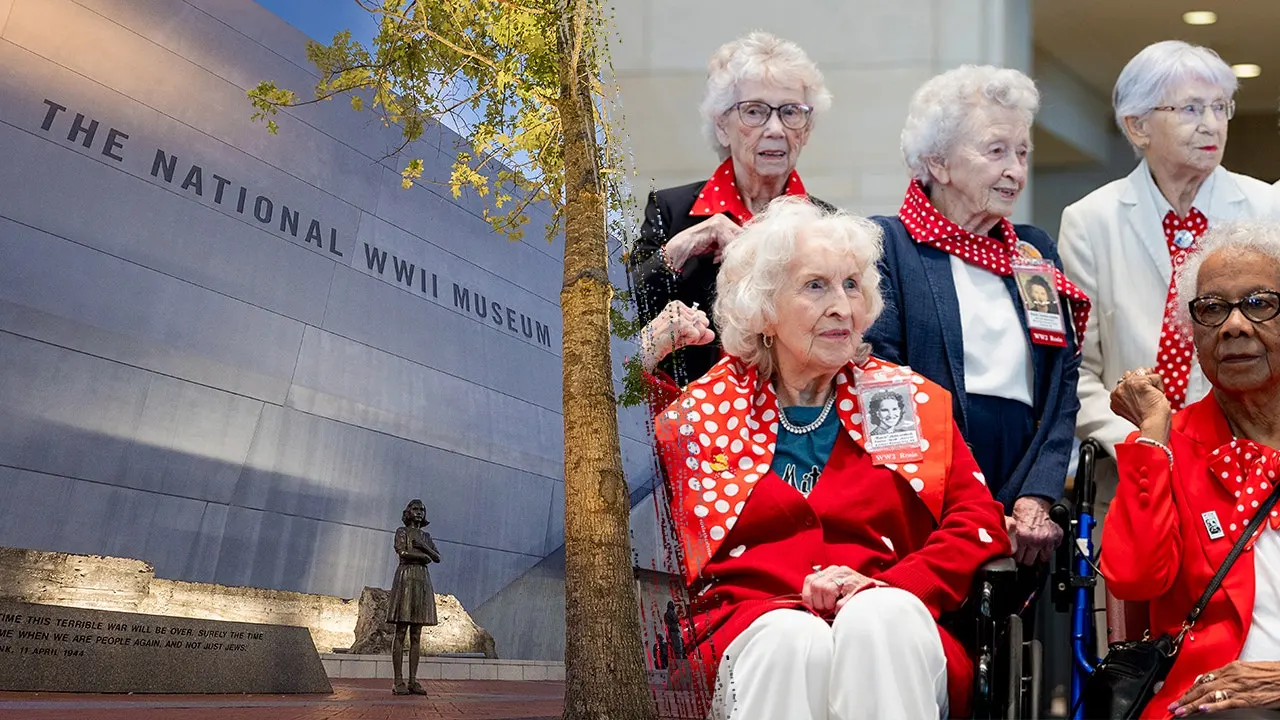
More than 30 surviving women associated with the wartime figure "Rosie the Riveter" gathered at The National WWII Museum in New Orleans during the museum's annual Dr. Hal Baumgarten D‑Day Commemoration to receive the institution's 2026 American Spirit Award. The award recognizes individuals and organizations the museum says exemplify the American spirit. Other 2026 awardees named in the ceremony included composer John Williams and former NFL player and ALS advocate Steve Gleason. The article recounts the wartime role of these women — millions of U.S. women who entered factories, shipyards and defense industries during World War II to perform tasks such as welding, riveting and aircraft assembly — and gives brief profiles of honorees including Delphine Klaput (101), who worked at the Glenn L. Martin Aircraft factory, and Francesca Masters (104), who worked on B‑24 bomber production at Willow Run. The piece notes the historical scale of the D‑Day invasion and emphasizes that home‑front workers contributed materially to the Allied victory. It describes the honorees' camaraderie and the phrase they used, "We can do it."
Biblical Reflection
This article is a commemorative, celebratory piece that highlights civic gratitude for a generation whose labor supported a major war effort. Its intent is to honor service, preserve memory, and uplift examples of perseverance and skill. The factual claims — that many women entered wartime industry, that these survivors were honored by the museum, and the personal details cited — align with well‑established historical records. The piece frames the story through patriotic and inspirational language and does not engage with broader historical complexities (for example, postwar labor displacement, racial and economic inequalities among wartime workers, or long‑term social shifts), so readers should note the selective focus. From a Christian pastoral perspective, honoring sacrificial service and giving thanks for faithful labor are virtues: remembering elders, naming contributions, and learning from their courage fosters gratitude, humility, and neighbor‑love. At the same time, Christian wisdom calls us to resist nostalgia that whitewashes history; commemoration should prompt honest reflection about both costs and costs borne unequally, and a commitment to care for veterans and elders materially and spiritually.
Scripture in context
This outlook does not yet include contextual Scripture citations. Do not treat a general biblical theme as an exegetical conclusion.
Faithful Response
No prescribed response is offered. Consider the reflection prompts below in your own church context.
Reflection and Discussion
- 1Whose experiences are highlighted in the story, and whose stories — including issues of race, class, or postwar hardship — might be underrepresented?
- 2Does honoring wartime labor primarily serve inspiration and identity, or should it also prompt concrete commitments to care for aging veterans and workers today?
- 3How does patriotic memory shape our moral imagination: does it move us toward justice and neighbor‑love, or only toward sentimental celebration?
Sources
Reporting links are evidence inputs; Sanctuary News' biblical reflection is commentary.
This outlook currently relies on fewer than two linked sources. Broaden verification before teaching from it.
- 1.Original reportprimary