News Summary
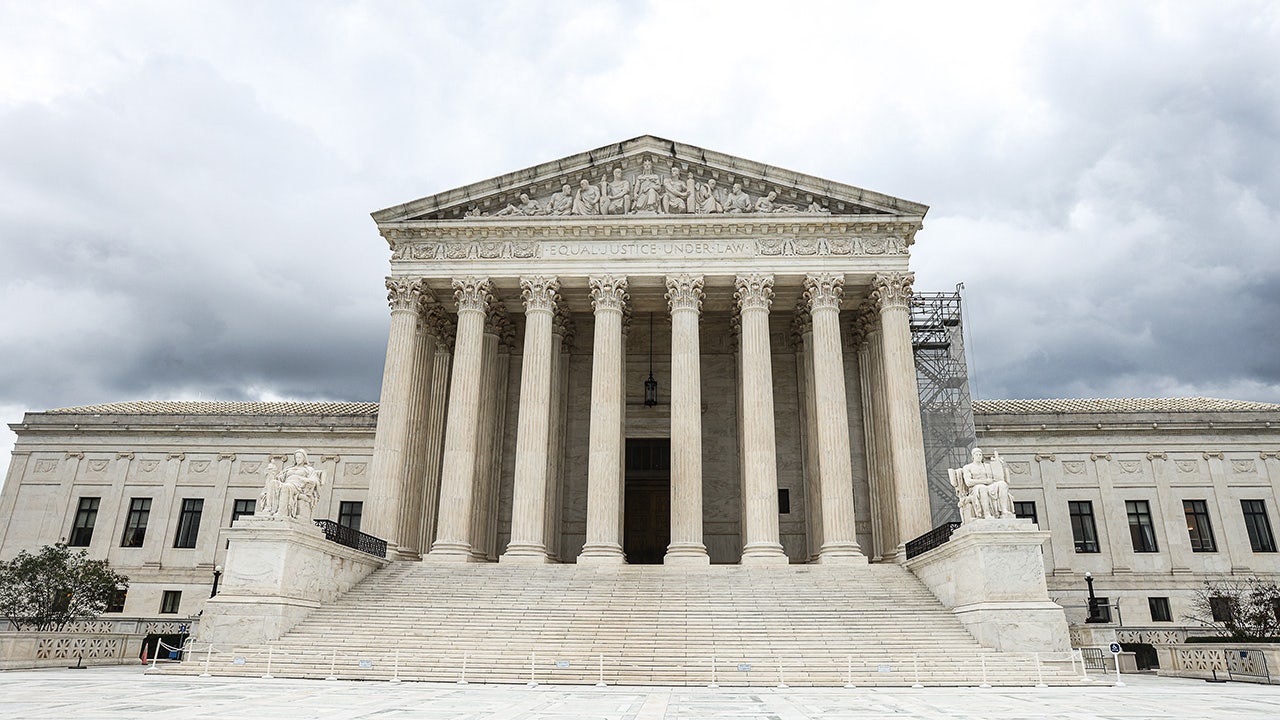
The U.S. Supreme Court issued an unsigned per curiam opinion reversing the 2nd U.S. Circuit Court of Appeals in Zorn v. Linton, holding that Vermont state trooper Sgt. Jacob Zorn is entitled to qualified immunity in a suit brought by protester Shela Linton. The case stems from a 2015 sit-in at the Vermont state capitol during Gov. Peter Shumlin’s inauguration; police removed demonstrators after the building closed. According to the opinion, Zorn warned Linton, then took her arm, placed it behind her back, used a wristlock and lifted her to her feet. Linton later alleged physical and psychological injuries and sued for excessive force. The Supreme Court concluded that existing precedent did not “clearly establish” that Zorn’s specific conduct violated the Constitution, and therefore he was shielded from civil liability. The decision reverses the Second Circuit and drew a three-justice dissent (Sotomayor, Kagan, Jackson), with Sotomayor arguing a jury could find excessive force against a nonviolent, passively resistant protester and criticizing the summary reversal.
Biblical Reflection
From a biblical perspective this ruling raises tensions Christians should face honestly. Scripture calls God’s people to both respect legitimate authority (Romans 13:1–7) and to demand justice and protect the vulnerable (Micah 6:8). Qualified immunity as a legal doctrine can function to protect officers acting in good faith, but it also risks placing legal shields between harmed people and accountability. The details here — a nonviolent, seated protester removed with a wristlock and claiming injury — invite questions about proportionality, stewardship of power, and care for those who protest peacefully. Christian discipleship calls for humility and deference to lawful authority, yet also prophetic courage to speak for those wronged and to seek redress when systems enable harm. Practically, believers should pray for wise, restrained law enforcement; support training and policies that reduce unnecessary force; care for victims with compassion; and advocate for systems where accountability and mercy coexist. We must avoid binary thinking (law vs. protest) and instead press for righteousness: authorities accountable, victims heard and healed, and communities pursuing reconciliation and reform.
Scripture in context
This outlook does not yet include contextual Scripture citations. Do not treat a general biblical theme as an exegetical conclusion.
Faithful Response
No prescribed response is offered. Consider the reflection prompts below in your own church context.
Reflection and Discussion
- 1How should I, as a follower of Christ, balance respect for lawful authority with the call to stand with those who may have been wronged by that authority?
- 2What practical steps can my church or community take to support both officer accountability and the humane treatment of protesters?
- 3When I hear about a case like this, do I respond first with compassion for the injured, a desire for order, or a rush to judgment — and how can scripture reorient that response?
Sources
Reporting links are evidence inputs; Sanctuary News' biblical reflection is commentary.
This outlook currently relies on fewer than two linked sources. Broaden verification before teaching from it.
- 1.Original reportprimary