News Summary
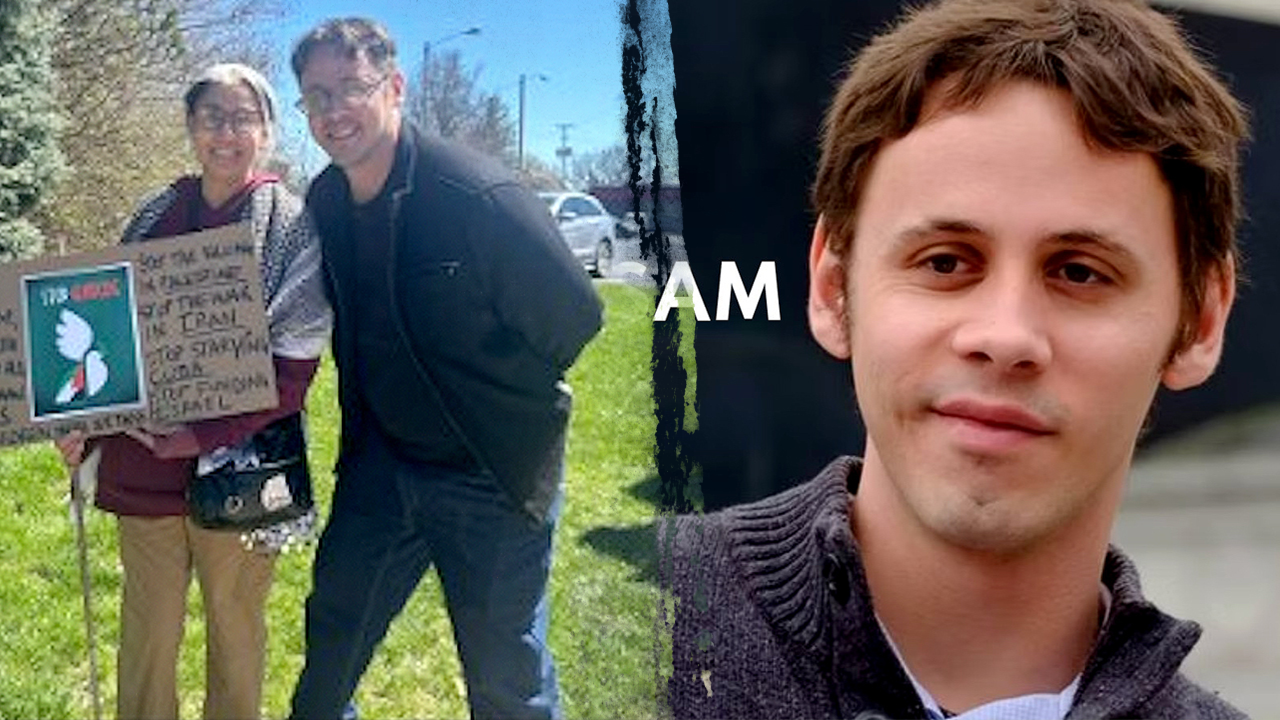
Samuel Ronan, a self-described progressive and former Democratic candidate, attempted to run in the Republican primary for Ohio’s 15th Congressional District against incumbent Rep. Mike Carey. Ronan submitted a sworn declaration of candidacy asserting he was a member of the Republican Party. A Republican voter, Mark Schare, filed a protest with the Franklin County Board of Elections, submitting social media posts and interviews in which Ronan reportedly described his candidacy as part of a strategy to run Democrats as Republicans in "deep red districts." After the local elections board deadlocked along party lines, Ohio Secretary of State Frank LaRose removed Ronan from the Republican primary ballot, citing election integrity concerns. Ronan filed a federal lawsuit arguing the removal violated his First Amendment rights. U.S. District Judge Sarah D. Morrison rejected his claim, ruling that the First Amendment does not protect a candidate who submits a fraudulent declaration of candidacy and that the state has a substantial interest in preventing fraudulent attestation of party affiliation. Ronan sought emergency relief from the U.S. Supreme Court prior to early voting; the Court denied the request without explanation, leaving the lower-court and state election decisions in place.
Biblical Reflection
From a biblical perspective, this story raises questions about truthfulness, the common good, and the limits of political strategy. The facts as reported show an individual signing a sworn statement that appears to conflict with his public admissions; legally, courts treated the sworn declaration as a binding, enforceable oath and declined to allow First Amendment protections to shield alleged fraud. Christians should note two consistent themes: (1) public life depends on trust—when candidates or campaigns use deception as a tactic, they erode the social trust necessary for civic flourishing (Romans 13 speaks to the role of governing authorities for order and justice); and (2) freedom of speech is important, but biblical ethics do not equate rhetorical freedom with license to deceive. The article itself focuses on the legal outcome and the asserted motive; readers should be aware of potential partisan framing in coverage (emphasizing terms like "infiltration" or highlighting party actors) and separate the verifiable court findings from partisan interpretation. The decision reflects a legal judgment that procedural truthfulness (honoring sworn declarations) is an essential element of fair elections—an outcome that aligns with biblical calls to honesty (e.g., Ephesians 4:25). At the same time, Christians should avoid triumphalism: the deeper need is for integrity across the political spectrum and for vigilance against tactics that treat people as means rather than neighbors. Pray for institutions to uphold justice, for voters to seek truth, and for leaders to govern with transparency and accountability.
Scripture in context
This outlook does not yet include contextual Scripture citations. Do not treat a general biblical theme as an exegetical conclusion.
Faithful Response
No prescribed response is offered. Consider the reflection prompts below in your own church context.
Reflection and Discussion
- 1What assumptions or priorities—winning, strategy, or ideology—might lead political actors to justify deception, and how does Scripture challenge those justifications?
- 2How should Christians weigh legal distinctions (e.g., free speech protections) against moral obligations to honesty and the common good when evaluating political tactics?
- 3When news coverage emphasizes partisan labels or dramatic language, what steps can you take to separate documented facts (court rulings, sworn statements) from editorial framing?
Sources
Reporting links are evidence inputs; Sanctuary News' biblical reflection is commentary.
This outlook currently relies on fewer than two linked sources. Broaden verification before teaching from it.
- 1.Original reportprimary