News Summary
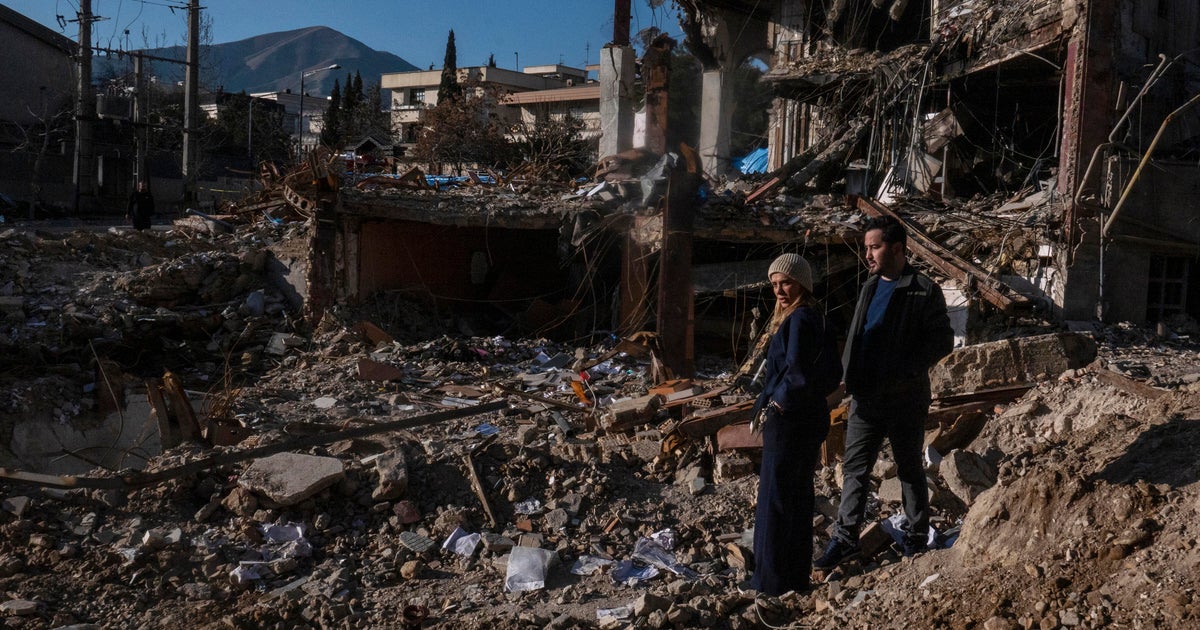
Before the U.S. and Israel launched joint strikes on Iran, many Iranians—at home and in the diaspora—expressed hope that foreign intervention might lead to the end of Iran’s Islamic Republic after the state’s recent suppression of large anti-government demonstrations. CBS News interviewed two Iranians (identified by changed names): Reza, a British-Iranian living in the U.K., and Amir, who is inside Iran. Both say that after 25 days of military action their earlier optimism has shifted toward fear and resignation. Reza told CBS that unilateral strikes without coordinated international strategy have undermined hopes for effective change and that Iran is leveraging weaknesses such as control of the Strait of Hormuz. Amir said many who once supported intervention are now prioritizing an immediate ceasefire and expressed doubt that domestic opposition groups currently have a viable, unified plan to topple the regime. The piece notes President Trump’s public claim that more than 30,000 protesters were killed in prior crackdowns and reports that some Iranian observers view the situation as a stalemate or “brinkmanship,” with no clear exit strategy for the U.S. or Iran. The article frames these views as representing a shift in feeling among at least some Iranians after several weeks of conflict.
Biblical Reflection
The story highlights the human cost of war and the limits of military solutions to political and moral problems. From a Christian perspective, several points stand out: first, the longing for justice and liberation from oppression is legitimate and reflects God’s concern for the oppressed (Psalm 9:9–10). But the narratives reported here show that the hoped-for moral quick fix—external military intervention producing immediate freedom—can lead to unanticipated suffering and despair. The article rests largely on the testimony of two unnamed individuals and on a political leader’s casualty claim; readers should note the limited sample and potential for political rhetoric or misinformation in wartime. The framing also reflects a worldview that privileges strategic, state-level solutions over long-term, just reconstruction and reconciliation. Scripture calls Christians to be peacemakers (Matthew 5:9) and to weigh both justice and mercy; it warns against celebrating the downfall of nations while neglecting the well-being of innocent people. Therefore, Christians should mourn the violence, pray for civilians, seek truth (avoiding unverified numbers or partisan claims), and support efforts that combine justice, accountability, and sustainable peace rather than short-term military triumphalism. Finally, the article reveals how quickly hope can become despair when deep structural change is assumed to come through force alone—calling the church to patient, wise engagement that centers human dignity and restoration.
Scripture in context
This outlook does not yet include contextual Scripture citations. Do not treat a general biblical theme as an exegetical conclusion.
Faithful Response
No prescribed response is offered. Consider the reflection prompts below in your own church context.
Reflection and Discussion
- 1Whose voices are centered in this report and whose are missing—how does that selection shape our understanding of the situation?
- 2Are we tempted to see foreign military action as a moral shortcut to justice? What biblical distinctions should temper that impulse?
- 3How does the article’s reliance on unnamed sources and political claims affect how we discern truth during wartime?
Sources
Reporting links are evidence inputs; Sanctuary News' biblical reflection is commentary.
This outlook currently relies on fewer than two linked sources. Broaden verification before teaching from it.
- 1.Original reportprimary