News Summary
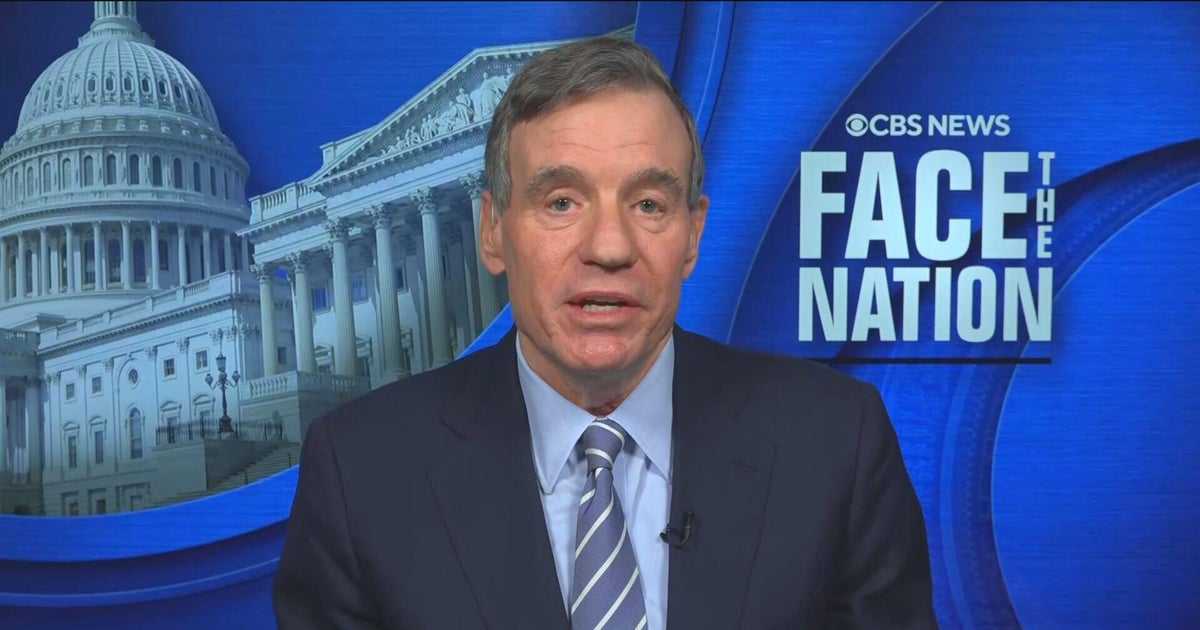
Sen. Mark Warner (D-VA) told CBS's Face the Nation that he would “take a look at anything” when asked whether he would oppose additional supplemental funding for the U.S. war with Iran if the White House requests more money. Warner criticized the president for not consulting Congress and the public before initiating the conflict and said the administration only laid out four stated goals — regime change, uranium, missiles, and the Strait of Hormuz — about 10 days into the fighting. Military officials briefed Congress that the first week of the war cost roughly $11.3 billion. The Washington Post reported the White House may request $80–100 billion in supplemental funds, down from an earlier Pentagon figure near $200 billion; Defense Secretary Pete Hegseth did not confirm a number. Congress is returning from a two-week recess and could see the supplemental request. The article notes partisan tensions: Democrats criticize the president’s handling of the war, and some Republicans have warned they may withhold support if the engagement extends past 60 days under the War Powers Resolution. Background financial context cited: the Defense Department received over $150 billion in last year’s omnibus, Congress approved about $839 billion in annual Pentagon spending earlier in the year, and the president’s FY2027 budget requests roughly $1.5 trillion for defense (separate from any supplemental).
Biblical Reflection
From a biblical and pastoral perspective, several Christian concerns surface. First, Scripture calls leaders to pursue peace (Matthew 5:9) and to exercise wise stewardship of resources (Luke 14:28). The article highlights gaps in communication and accountability between the executive branch and Congress; such gaps hinder transparent deliberation about life-and-death decisions and large public expenditures. The piece mainly relays statements from a senator and reporting on possible price tags; it does not include a detailed administration justification or independent verification of long-term costs. That limited sourcing can shape readers’ impressions without offering full context. Christians should be wary of partisan framing that reduces complex moral questions about war to political scoring. Instead, evaluate four things: (1) Are leaders seeking a just and attainable aim that protects innocents and restores peace? (2) Are they transparent with governing institutions charged with oversight? (3) Are resources being stewarded responsibly given the human and fiscal costs? (4) Is the public discourse calling for repentance, restraint, and mercy where appropriate? Ultimately, the article aligns with legitimate calls for accountability and prudence; Scripture pushes us further to pray for peace, demand honest public deliberation, and care for those affected by conflict.
Scripture in context
This outlook does not yet include contextual Scripture citations. Do not treat a general biblical theme as an exegetical conclusion.
Faithful Response
No prescribed response is offered. Consider the reflection prompts below in your own church context.
Reflection and Discussion
- 1What assumptions about urgency, necessity, and cost underlie both calls for immediate funding and calls for delay — and which assumptions are named and verified in this report?
- 2How does the article frame accountability between the executive branch and Congress, and what spiritual or ethical responsibilities should Christians expect from leaders before engaging in or expanding military action?
- 3Are conversations about military funding in the media treating fiscal stewardship and the value of human life as connected concerns, or are they being separated for political advantage?
Sources
Reporting links are evidence inputs; Sanctuary News' biblical reflection is commentary.
This outlook currently relies on fewer than two linked sources. Broaden verification before teaching from it.
- 1.Original reportprimary