News Summary
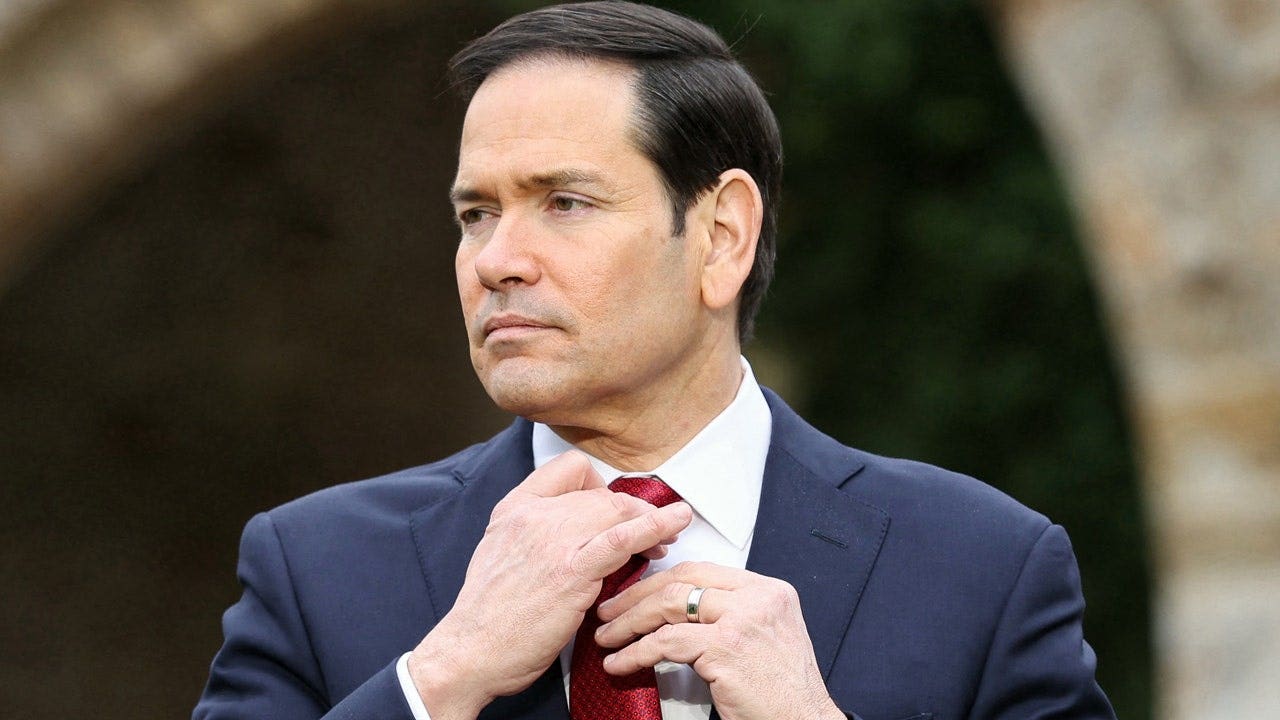
Secretary of State Marco Rubio has become a viral presence on social media, frequently portrayed in memes that depict him in humorous or exaggerated roles. The article describes how Rubio has embraced and amplified this viral attention, posting or reacting to meme content and using self-deprecating humor in a recent White House briefing where he filled in for Karoline Leavitt. The piece notes Rubio has taken on multiple responsibilities within the Trump administration and highlights moments from the briefing (jokes about a made-up chart, color-blind quip, calling on reporters, answering in Spanish) that contributed to his online fame. Analysts and columnists cited in the article characterize the memes as broadly appealing and suggest Rubio's visibility is spawning speculation about a possible 2028 presidential run, with Vice President J.D. Vance mentioned as a potential rival. The article also touches on Rubio’s public statements on Iran and national security, and includes commentary that frames Rubio as disciplined on policy despite his meme-driven popularity.
Biblical Reflection
From a Christian perspective, this story raises two clear realities: (1) social media can rapidly shape public perception, often elevating style, humor, or a viral moment over sustained attention to character and policy; (2) a public figure’s willingness to engage the culture in lighthearted ways is not inherently wrong, but it should not obscure serious judgment about the moral and policy consequences of their actions. The article largely frames Rubio positively—celebratory of his meme status and usefulness to a political brand—which illustrates a media tendency to prioritize personality and entertainment value. That framing can downplay substantive questions about leadership, accountability, and the real-world impacts of policy (for example, national-security decisions mentioned in passing). Christians should practice discernment: recognize when joyful or humanizing coverage is simply surface-level, and when deeper evaluation of a leader’s wisdom, humility, and actions is required. Be cautious of media that turns governance into spectacle; seek leaders’ fruit (integrity, justice, care for the vulnerable) rather than charisma alone. At the same time, acknowledge that humor and self-awareness can be gifts that humanize leaders and open doors for dialogue—provided they are accompanied by ethical stewardship and truthful communication. Watch for bias in tone (celebratory or promotional) and for omission of policy consequences; evaluate both character and competence in light of Scripture and the common good.
Scripture in context
This outlook does not yet include contextual Scripture citations. Do not treat a general biblical theme as an exegetical conclusion.
Faithful Response
No prescribed response is offered. Consider the reflection prompts below in your own church context.
Reflection and Discussion
- 1Am I allowing a leader’s charm, humor, or viral moments to substitute for sober evaluation of their character and the substance of their policies?
- 2How does the article’s tone (celebratory, bemused, or promotional) shape what information is highlighted or omitted about Rubio’s responsibilities and the consequences of administration policies?
- 3Do I look for the fruit of leadership (wisdom, justice, humility, care for the vulnerable) or primarily for entertainment value when forming opinions about public figures?
Sources
Reporting links are evidence inputs; Sanctuary News' biblical reflection is commentary.
This outlook currently relies on fewer than two linked sources. Broaden verification before teaching from it.
- 1.Original reportprimary