News Summary
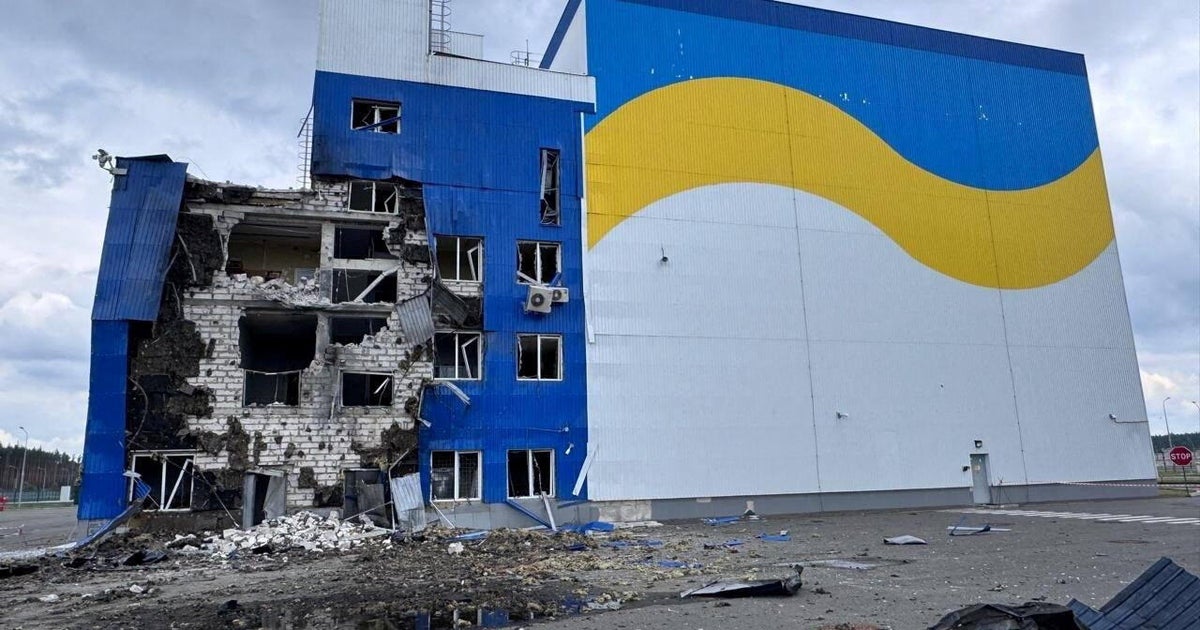
Ukrainian officials reported that a Russian drone strike killed three people and wounded one while they waited at a bus stop in Balabyne, Zaporizhzhia region. Separately, a strike damaged a spent nuclear fuel storage facility in Kyiv region, about nine miles from the Chernobyl nuclear power plant; Ukraine's Energoatom said the facility was empty at the time, was partially destroyed and a roughly 40-square-meter fire was extinguished within an hour, and radiation levels remained within safe limits. The International Atomic Energy Agency described the attack as deeply concerning and said it would visit the site. Russian officials reported that a Ukrainian attack killed one man and injured a woman in Russia's Kursk region. The events occurred amid high-level European discussions on continued support for Ukraine and following a large Ukrainian drone strike on St. Petersburg; Russian President Vladimir Putin declined an offer to meet with Ukrainian President Volodymyr Zelenskyy.
Biblical Reflection
The report documents loss of life and the alarming risk posed when conflict reaches nuclear sites. Factually, the article relies on government and international agency statements; the IAEA's involvement gives independent weight to safety concerns, while casualty and damage claims reflect the ongoing asymmetric use of long-range drones by both sides. From a Christian perspective, the story exposes the moral cost of protracted war: civilian lives lost in routine places (a bus stop), the real danger to people and creation posed by attacks near nuclear materials, and the way political and military objectives can overshadow human vulnerability. The piece does not glorify either side, but readers should note that official accounts and strategic framing can carry political motives—reports highlighting an adversary's deep-strike capability, for instance, may be intended to reassure or alarm different audiences. Christians are called to truth-telling, to defend the dignity of the harmed, and to advocate for restraint and protection of noncombatants and critical infrastructure. That requires both sober analysis of facts (including independent radiation monitoring) and compassionate action toward those suffering, resisting narratives that dehumanize the enemy or normalize danger to civilians.
Scripture in context
This outlook does not yet include contextual Scripture citations. Do not treat a general biblical theme as an exegetical conclusion.
Faithful Response
No prescribed response is offered. Consider the reflection prompts below in your own church context.
Reflection and Discussion
- 1Which voices and facts are present or missing in this coverage—whose suffering is being centered and whose is sidelined?
- 2How does framing about military capability or political meetings shape our judgment about the moral acceptability of strikes that risk civilian lives and nuclear safety?
- 3What role should independent institutions (like the IAEA) and the international community play when military action threatens critical environmental and human safety?
Sources
Reporting links are evidence inputs; Sanctuary News' biblical reflection is commentary.
This outlook currently relies on fewer than two linked sources. Broaden verification before teaching from it.
- 1.Original reportprimary