News Summary
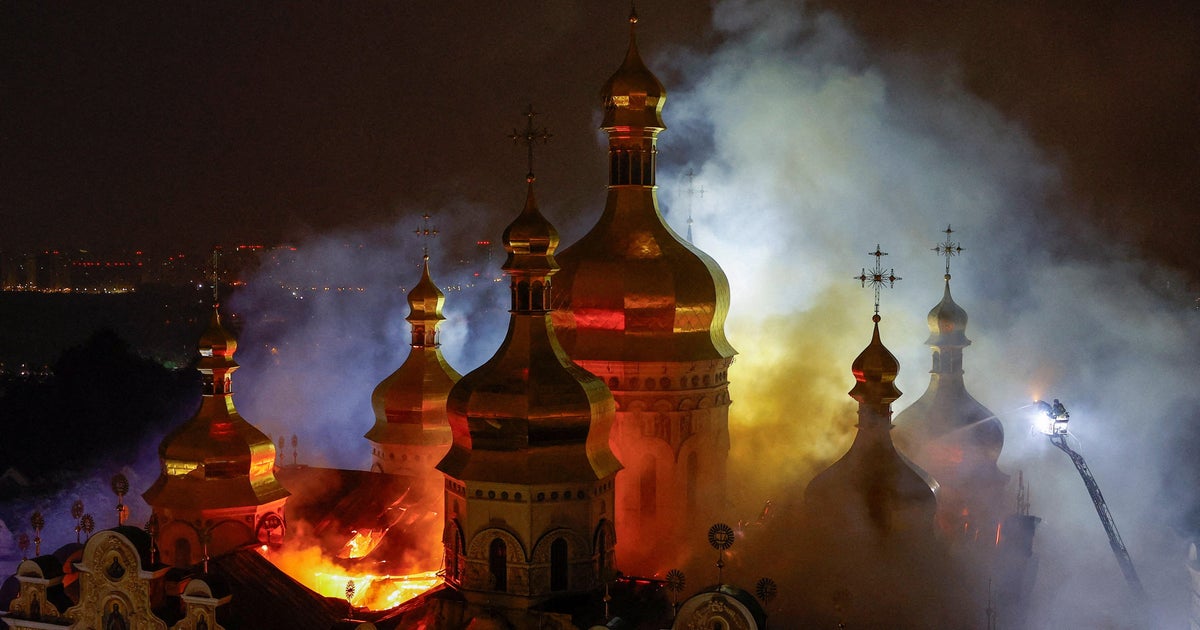
Russian forces launched a large assault of missiles and drones on multiple Ukrainian cities on June 15, 2026. Ukrainian officials reported 11 people killed overall and multiple wounded; in Kyiv the strikes killed five and wounded 34. The roof of the Dormition Cathedral on the grounds of the Kyiv-Pechersk Lavra, a UNESCO World Heritage monastery, caught fire; rescuers later worked at the site. Ukraine’s military said Russia fired 70 missiles and 611 drones and that Ukrainian air defenses had intercepted many of them; Russia described the operation as targeting military sites and denied intentionally hitting the Lavra, alleging without publicly presented evidence that an outdated U.S. Patriot missile caused the fire. Ukrainian President Volodymyr Zelenskyy urged G7 leaders to increase pressure on Russia and provide more air-defense support. European leaders condemned the attack on the religious site and said it strengthened resolve to pursue a ceasefire and negotiations. The article also notes a retaliatory Ukrainian drone strike that killed three people in Tula, Russia. The story situates the incident within the broader armed conflict that began with Russia’s 2022 invasion and notes recent escalation in long-range strikes and Ukraine’s targeting of Russian infrastructure.
Biblical Reflection
From a Christian pastoral perspective, this report highlights several troubling realities: civilians and sacred places are suffering direct harm in a conflict that has already caused immense loss; cultural and religious heritage being damaged deepens collective grief and can harden enmity. The article presents competing claims — Ukrainian leaders condemning the strike as an attack on Christian culture and Russia denying responsibility — so readers should expect contested facts and avoid assuming full certainty without independent verification. The framing gives weight to the humanitarian and spiritual significance of the Lavra’s damage, which rightly draws moral outrage, but it also risks simplifying a complex military and political reality into purely symbolic terms. A Christian response should hold truth and compassion together: insist on accurate accountability for civilian harm, mourn the loss of sacred and human life, resist dehumanizing the other side, and press for protections for civilians and heritage. Spiritually, the destruction of a monastery is a wound to communities of faith on both sides and should move Christians toward prayer, care for victims, and advocacy for peaceful avenues that protect the vulnerable. At the same time, be wary of narratives that use sacred damage only to justify further violence; faithful witness calls for courageous peacemaking and protection of noncombatants even amid righteous anger.
Scripture in context
This outlook does not yet include contextual Scripture citations. Do not treat a general biblical theme as an exegetical conclusion.
Faithful Response
No prescribed response is offered. Consider the reflection prompts below in your own church context.
Reflection and Discussion
- 1How does focusing on damage to religious and cultural sites shape our moral urgency, and does it change how we humanize those who suffer on either side?
- 2Which claims in the report are verified facts and which are partisan or unproven assertions — and how should that affect our public response?
- 3Are images of ruined sacred places steering us toward escalation, or toward renewed efforts for civilian protection and negotiated restraint?
Sources
Reporting links are evidence inputs; Sanctuary News' biblical reflection is commentary.
This outlook currently relies on fewer than two linked sources. Broaden verification before teaching from it.
- 1.Original reportprimary