News Summary
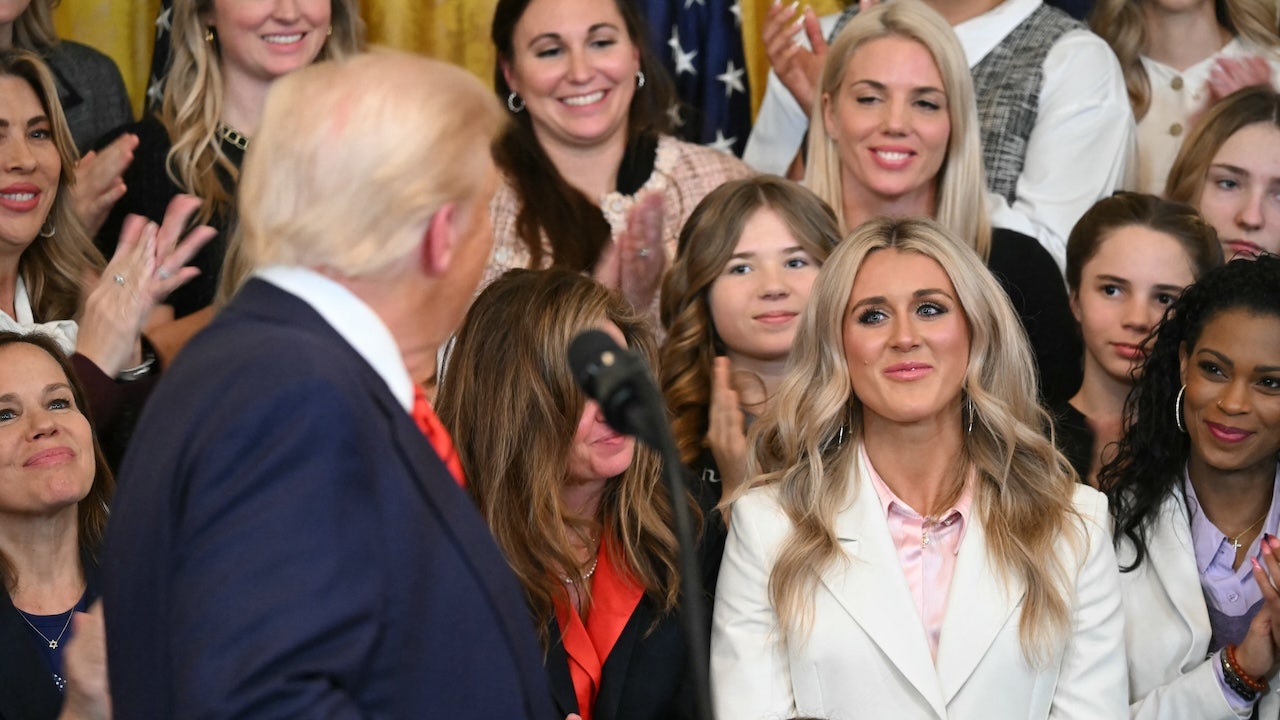
OutKick host Riley Gaines publicly criticized a recently posted AI-generated image of President Donald Trump that many viewers said depicted him in a Christ-like role (robed, healing a sick person, surrounded by followers and patriotic imagery). Gaines said the image was inappropriate and called for humility from the president, adding that "God shall not be mocked" and that she did not regret her vote. Gaines reported receiving strong pushback from portions of the MAGA online base after her comments, and she reiterated continued support for Trump and his America First agenda despite the criticism. President Trump later deleted the image and told reporters he thought it depicted him as a doctor; when asked if he removed it because of Gaines’ criticism he said, "I didn't listen to Riley Gaines. I'm not a big fan of Riley, actually." Others, including veteran Nick Freitas, agreed the image was a poor decision while noting they still support Trump’s presidency. The story generated criticism from people across the political spectrum who described the image as inappropriate or blasphemous.
Biblical Reflection
This story highlights several intersecting issues Christians should weigh: the misuse of religious imagery for political promotion, the temptation to elevate political leaders to quasi-religious status, and the speed at which social media amplifies conflict. Biblically, Christians are called to revere Christ alone (Deuteronomy 5:7–9; 1 Corinthians 8:6) and to practice humility (Philippians 2). The image and the reactions to it reveal a cultural hunger for symbolic leaders and a readiness to defend political figures even when their actions verge on idolatrous representation. At the same time, Gaines’ response models a posture many Christians may struggle to maintain: she voiced conviction about a moral concern while affirming her political support. Christians should be careful to distinguish legitimate critique from partisan attack, to resist idolizing leaders, and to speak truth with humility and charity. Media coverage often frames disputes as culture-war drama; readers should separate the underlying ethical question (is it appropriate to portray a politician in Christ-like terms?) from partisan scorekeeping and social-media outrage. Overall, the Christian response should center worship of Christ, insistence on reverent treatment of religious symbols, and measured public witness that prioritizes truth and humility over tribal loyalty.
Scripture in context
This outlook does not yet include contextual Scripture citations. Do not treat a general biblical theme as an exegetical conclusion.
Faithful Response
No prescribed response is offered. Consider the reflection prompts below in your own church context.
Reflection and Discussion
- 1What does the readiness to depict a political leader in messianic imagery reveal about how politics functions as religion in our culture?
- 2How does social media change the incentives for leaders and supporters to use sacred symbols, and how should Christians discern when to speak publicly about such uses?
- 3In cases where we loyally support a political agenda but object to specific actions, how can we practice humility and charity while still holding moral convictions?
Sources
Reporting links are evidence inputs; Sanctuary News' biblical reflection is commentary.
This outlook currently relies on fewer than two linked sources. Broaden verification before teaching from it.
- 1.Original reportprimary