News Summary
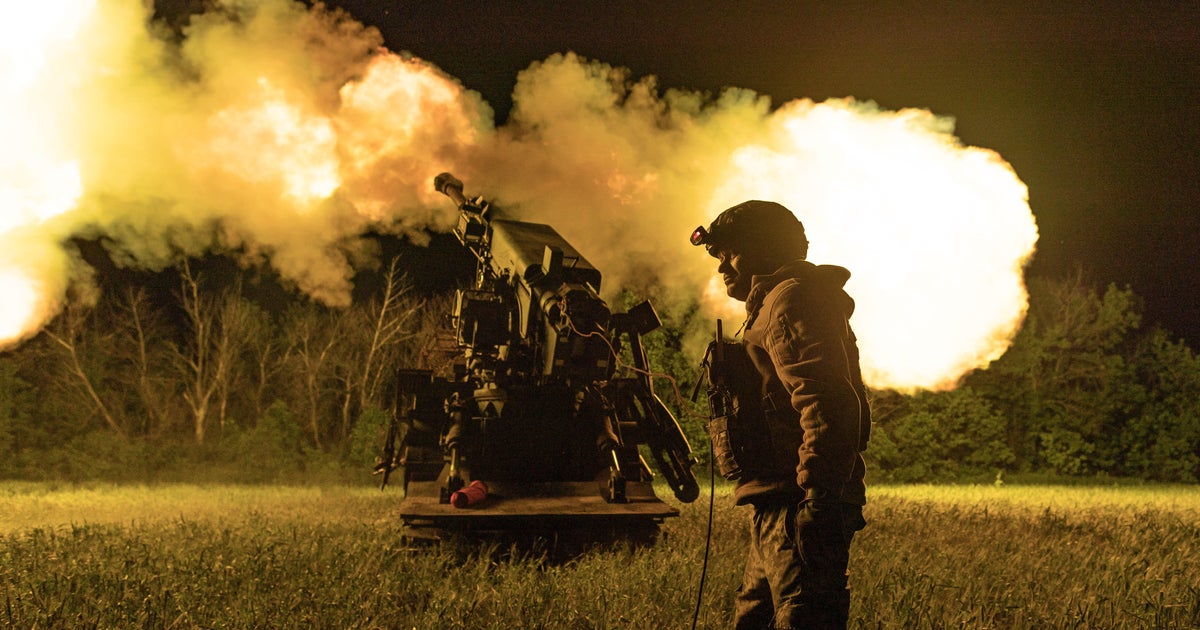
Retired U.S. generals and a former Defense Intelligence Agency director told CBS News they assess that Ukraine currently has the operational upper hand against Russia. Ukraine’s top general, Oleksandr Syrski, said Ukrainian forces have retaken about 600 square kilometers (roughly 232 square miles) so far this year, with heavy fighting reported around Oleksandrivka and Huliaipole in the southeast. Analysts and officials cited improvements in Ukraine’s drone capabilities — including short-range FPV drones and expanded mid-range strike capacity of roughly 30–60 miles (50–100 kilometers), plus longer-range drones and cruise missiles — as a key factor degrading Russian logistics, command posts, and ammunition depots. Ukrainian President Volodymyr Zelenskyy was quoted asserting that FPV drones cause the majority of Russian casualties. Military analysts (including Rob Lee) and former intelligence director Robert Ashley warned that operational gains are fragile, reversible, and do not guarantee strategic victory; retired Gen. Joseph Ralston said neither side is decisively winning and highlighted the risks of escalation. The assessment concludes that while battlefield trends favor Ukraine at present, the situation remains fluid and subject to change depending on resources and possible Russian escalation.
Biblical Reflection
The article reports informed military judgments and battlefield claims using sources aligned with Western and Ukrainian perspectives; it reasonably highlights tactical advances while noting strategic uncertainty. From a Christian lens, several truths matter: first, the testimonies are constrained by the fog of war and institutional perspectives — military leaders rightly focus on operations and force effectiveness, but their assessments can understate civilian suffering and longer-term moral costs. Second, technological progress (drones, long-range strikes) can reduce some risks but also widen the circle of harm by making distant attacks easier to carry out; that raises questions about proportionality, accountability, and care for noncombatants. Third, language that frames gains as “winning” risks simplifying a conflict that has immense human cost. Christians should prize truth-seeking (test claims, note uncertainty), mercy toward victims on all sides, humility about forecasting outcomes, and a peace-shaped imagination that presses leaders toward restraint, protection of civilians, and negotiations when possible. The article’s cautious tone about reversibility is a healthy corrective to triumphalism, but readers should remain alert to partisan or morale-boosting claims and remember the war’s humanitarian reality.
Scripture in context
This outlook does not yet include contextual Scripture citations. Do not treat a general biblical theme as an exegetical conclusion.
Faithful Response
No prescribed response is offered. Consider the reflection prompts below in your own church context.
Reflection and Discussion
- 1Which voices are centered in this report, and whose suffering or perspectives are absent from the assessment?
- 2How does technological advancement in warfare change our moral responsibility to protect civilians and pursue accountability?
- 3Are battlefield gains being presented as moral vindication, and how should Christians separate tactical success from the work of securing lasting justice and peace?
Sources
Reporting links are evidence inputs; Sanctuary News' biblical reflection is commentary.
This outlook currently relies on fewer than two linked sources. Broaden verification before teaching from it.
- 1.Original reportprimary