News Summary
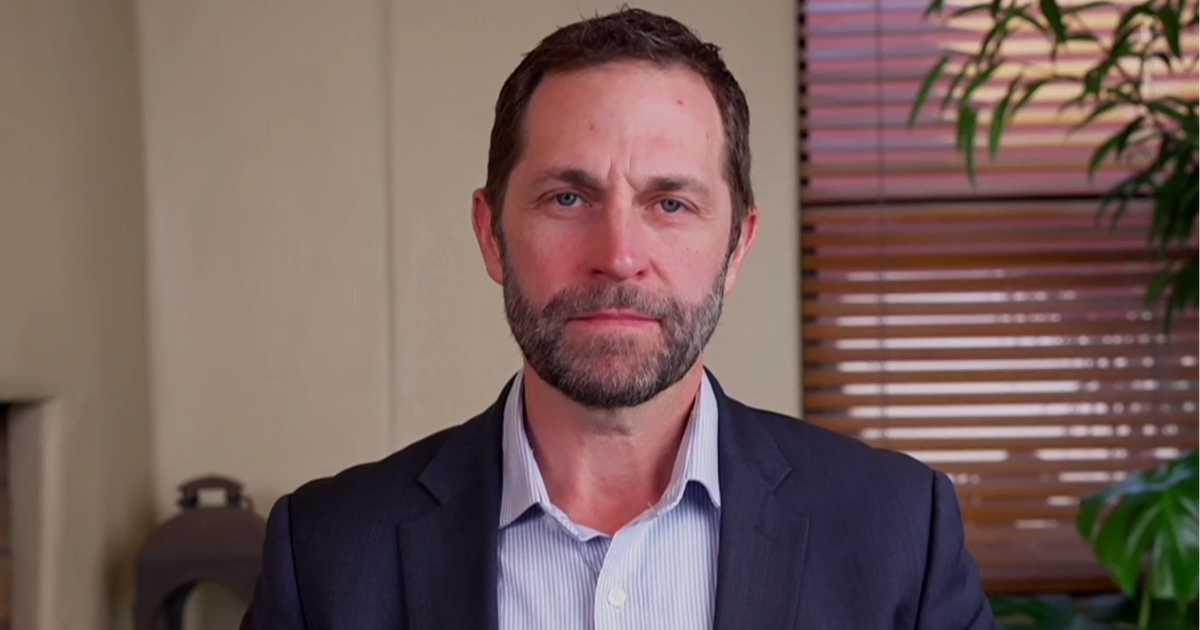
This is a transcript of a May 3, 2026 Face the Nation interview with Representative Jason Crow (D-CO). Key points Crow made: he criticized a decision attributed to Secretary Hegseth and the administration to withdraw a U.S. brigade from Germany, saying it may have violated statutory requirements that Congress set for troop movements in Europe and that it appeared driven by the president's reaction to comments by the German chancellor. Crow argued the U.S. must preserve an appropriate troop footprint in Europe for security and economic reasons and stressed that troop movements must be made with proper risk assessment and in the nation's interest. On Iran and the Strait of Hormuz, Crow described U.S. actions as countering an Iranian blockade and called for a strategic (rather than purely tactical) approach to long-term U.S. engagement in the Middle East. Regarding a Defense Department budget request (characterized in the interview as $1.5 trillion), Crow said he would not automatically approve large funding without a clear strategy and criticized DoD financial management (noting the department has not passed an audit). On surveillance, Crow said he supports Section 702 as an intelligence tool but opposed a long-term reauthorization without oversight, citing concerns about giving an administration a long runway to potentially misuse a powerful tool; he supported short-term extensions with monthly oversight. He also referenced broader concerns about this administration's compliance with court rulings and politicization of the Department of Justice. The interview includes questions from the host about legal thresholds, troop numbers, and the immediate need to fund forces.
Biblical Reflection
This interview presents a partisan perspective (a Democratic congressman speaking on national security and oversight). From a scriptural lens, several Christian concerns emerge: leaders must seek wisdom, pursue justice, and protect the vulnerable (including service members), while citizens should weigh competing claims carefully. The transcript raises two legitimate moral and civic issues: 1) stewarding the lives and safety of troops demands prudent, transparent decision-making grounded in strategy and law rather than personal retaliation or impulse; 2) powerful intelligence authorities like Section 702 require a balance between protecting the public and guarding civil liberties, and oversight is a biblical expression of justice and accountability (Proverbs repeatedly commends right judgment and leaders who are accountable). At the same time, listeners should note the interview is an argument by an elected official; his framing (e.g., attributing motives such as emotional retaliation to the president or asserting legal violations) reflects his political position and ought to be checked against primary documents: the text of any troop-movement orders, statutory language cited, certification documents, DoD audit reports, and reporting from multiple sources. Christians should avoid reflexive tribalism—assuming a political actor is wholly right or wholly wrong—and instead press for truth, transparency, and policies that protect life and pursue peace. Pray for lawmakers to be guided by wisdom (not merely partisan advantage), for clarity in public information so citizens can discern facts, and for humility among all leaders to submit to lawful processes and oversight.
Scripture in context
This outlook does not yet include contextual Scripture citations. Do not treat a general biblical theme as an exegetical conclusion.
Faithful Response
No prescribed response is offered. Consider the reflection prompts below in your own church context.
Reflection and Discussion
- 1What evidence would I need to confirm or challenge the interviewee's claims (legal requirements for troop movements, numbers cited, and the administration's explanations), and am I seeking that evidence before forming a judgment?
- 2How does my instinct—toward trusting or distrusting a particular political leader—shape how I receive claims about national security, and does that instinct align with biblical calls to seek truth and exercise righteous judgment?
- 3In debates over security tools (troop deployments, surveillance), which principles should take precedence from a Christian perspective: protection of life and order, accountability and justice, or political expediency—and how should those principles be balanced?
Sources
Reporting links are evidence inputs; Sanctuary News' biblical reflection is commentary.
This outlook currently relies on fewer than two linked sources. Broaden verification before teaching from it.
- 1.Original reportprimary