News Summary
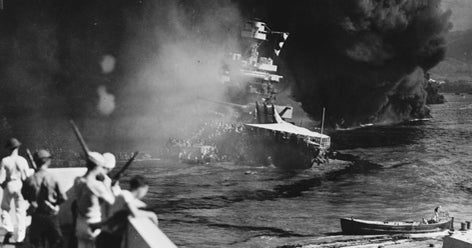
U.S. Navy Seaman 1st Class Clyde C. McMeans, who died when the USS California was attacked at Pearl Harbor on Dec. 7, 1941, was officially accounted for on Nov. 25, 2025, the Defense POW/MIA Accounting Agency said. McMeans, 26, was reportedly in a motorboat helping other sailors reach shore when the boat was struck by a bomb. In April 1942, remains recovered from the ship were interred in Hawaiian cemeteries; ongoing forensic and DNA work has since identified dozens of crew from the USS California. McMeans’ remains were identified through DNA and forensic analysis, and his family in South Texas plans a military-honors burial May 1 at Coastal Bend State Veterans Cemetery in Corpus Christi. The article notes previous identifications from the California and recent DPAA plans to exhume remains of 88 unidentified sailors and Marines from the USS Arizona.
Biblical Reflection
This story points to several deep Christian commitments: remembering the dead, bringing closure to grieving families, and valuing human dignity even decades after conflict. Scripture honors the care for the dead (e.g., Joseph of Arimathea’s burial of Jesus) and repeatedly calls believers to comfort those who mourn (Matthew 5:4). The painstaking forensic work by the DPAA reflects stewardship of truth and a moral responsibility to name the unnamed — a small measure of justice and mercy toward those who gave their lives in service. At the same time, Christians must resist romanticizing war while still honoring sacrifice; war is a consequence of a fallen world (Romans 3–8) and brings loss that requires compassion, lament, and a longing for God’s final peace. Practically, this news can prompt believers to pray for families, support efforts that restore dignity to the dead, and remember that our ultimate hope is not merely in human remembrance but in the promise of resurrection and God’s restoration of all things (1 Corinthians 15). Finally, the identification work is an example of truth-telling and accountability — virtues Scripture commends (Ephesians 4:25) — as it brings names and stories back into the light.
Scripture in context
This outlook does not yet include contextual Scripture citations. Do not treat a general biblical theme as an exegetical conclusion.
Faithful Response
No prescribed response is offered. Consider the reflection prompts below in your own church context.
Reflection and Discussion
- 1How does the naming and burial of those lost in war shape my understanding of honor, grief, and responsibility as a Christian?
- 2In what practical ways can I comfort or support relatives and communities carrying long-term grief?
- 3Do I hold a hopeful trust in Christ’s resurrection that shapes how I mourn and remember the dead?
Sources
Reporting links are evidence inputs; Sanctuary News' biblical reflection is commentary.
This outlook currently relies on fewer than two linked sources. Broaden verification before teaching from it.
- 1.Original reportprimary