News Summary
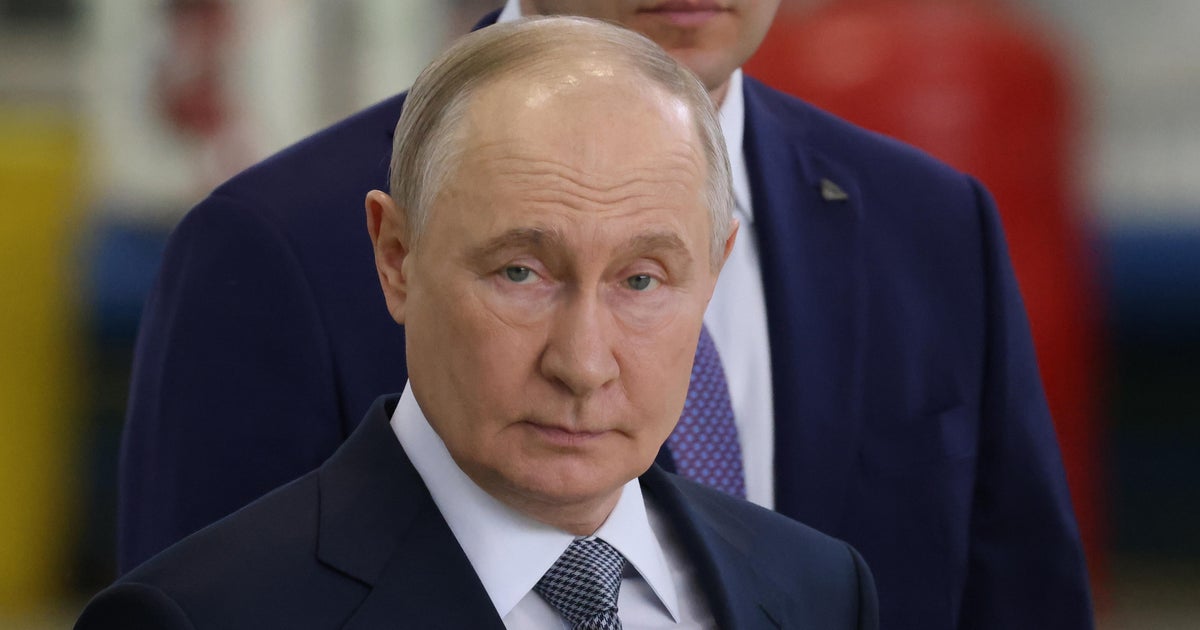
Russian President Vladimir Putin said Ukrainian strikes on critical — especially energy — infrastructure are creating “problems” for Russia but that shortages are not yet critical. Ukraine has recently intensified attacks, including a large drone assault hitting 12 Russian regions and occupied Crimea. Ukraine’s defense minister said he seeks to isolate Crimea; authorities in Crimea declared a state of emergency and halted civilian fuel sales following strikes. Putin said his priorities include addressing fuel shortages and strengthening air defenses and called for faster production of needed air-defense systems. Analysts and CBS reporting note Russia faces shortages of S-300 interceptors and that Ukraine has focused attacks on air defenses; Ukraine’s Ministry of Defense reports destroying 1,454 air-defense systems since 2022. A Kyiv-based institute’s telephone poll of 1,600 Russians found 81% said they would support ending the war tomorrow. Putin said he rejected a Ukrainian proposal for a mutual ceasefire on long-range strikes, arguing Russian counter-strikes are more destructive and that saving the Kyiv government is not Russia’s aim.
Biblical Reflection
The article reports competing claims and operational realities from both sides of an active war. Putin’s admission that strikes cause “problems” is a limited concession that still frames shortages as manageable; his public refusal of a mutual ceasefire serves domestic and strategic messaging. Much of the detail — counts of destroyed systems and the opinion poll — comes from Ukrainian or Western sources and should be read knowing each side in a war emphasizes information that advances its objectives. From a Christian pastoral perspective, the facts point to escalating harm to civilians (fuel shortages, emergency measures in Crimea) and to a strategic logic that prizes military advantage over immediate relief for noncombatants. Christian virtues call us to seek truth (discern source limitations), to show mercy (focus on human suffering behind the statistics), and to urge those with power toward peace and protection of the innocent. The article does not prove inevitability of further escalation, but it does show tangible strain on Russia’s logistics and air defenses and rising public desire among Russians for an end to the fighting — factors that could influence policy but also be manipulated for morale or propaganda.
Scripture in context
This outlook does not yet include contextual Scripture citations. Do not treat a general biblical theme as an exegetical conclusion.
Faithful Response
No prescribed response is offered. Consider the reflection prompts below in your own church context.
Reflection and Discussion
- 1Which sources does the article rely on, and how might each side’s interests shape the facts they emphasize?
- 2How does language that minimizes hardship ('not critical,' 'problems') affect our sense of urgency about civilian suffering?
- 3What does this coverage reveal about how wartime information is used to sustain military aims rather than to address humanitarian need?
Sources
Reporting links are evidence inputs; Sanctuary News' biblical reflection is commentary.
This outlook currently relies on fewer than two linked sources. Broaden verification before teaching from it.
- 1.Original reportprimary