News Summary
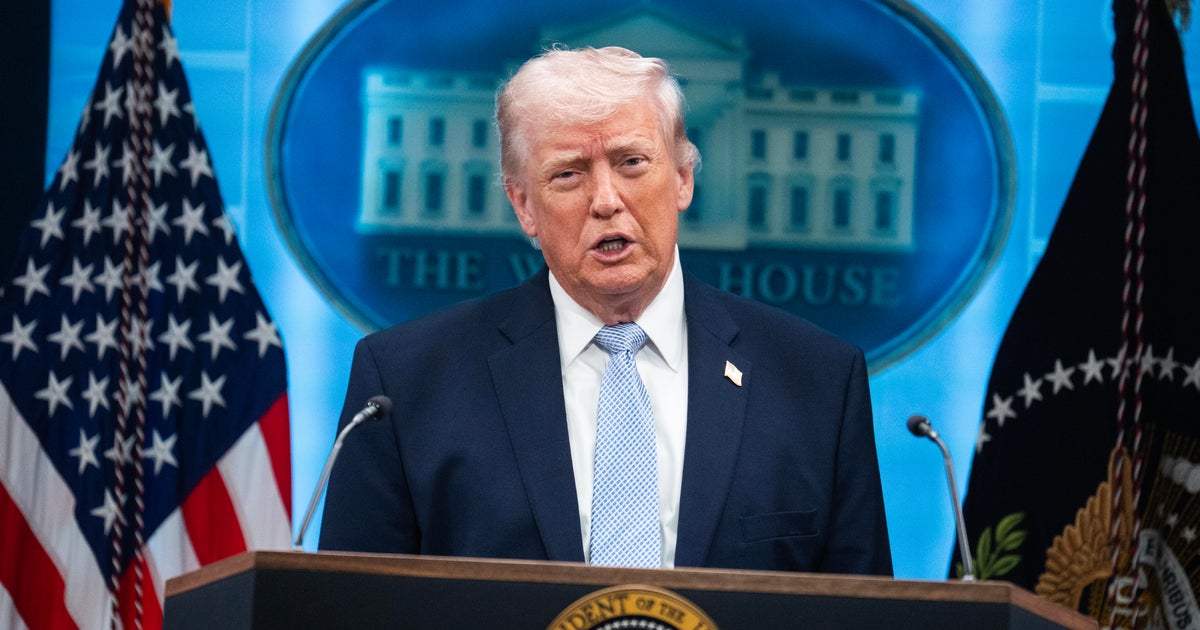
President Trump posted on Truth Social setting an 8 p.m. ET deadline for Iran to agree to a deal to reopen the Strait of Hormuz. He warned that if no deal is reached he would order attacks to destroy Iran's power plants and bridges, saying "the entire country could be taken out in one night" and that "a whole civilization will die tonight." He also said Iran had made a "significant" proposal and that he believed Iranians were negotiating "in good faith," while suggesting that "different, smarter, and less radicalized minds" might be leading Iran. A U.S. official confirmed that American forces conducted new strikes on military targets on Iran's Kharg Island the same morning; the official said oil infrastructure was not targeted. The administration framed the deadline as part of a renewed diplomatic push. Democratic leaders and some rank-and-file members of Congress criticized the president's rhetoric, with calls from some lawmakers for impeachment or for invoking the 25th Amendment and requests that Congress be called back into session. GOP and some other Republican voices urged caution and emphasized avoiding attacks on civilian infrastructure.
Biblical Reflection
This story raises urgent moral and pastoral questions for Christians about the use of threats, the responsibilities of political leaders, and the protection of innocent life. On one hand, governments have a duty to protect national and global security and to ensure freedom of navigation; on the other, explicit threats to destroy civilian infrastructure and language implying mass destruction of a nation risk dehumanizing entire populations and bypassing sober moral restraint. The article largely presents the president's ultimatums and partisan reactions without deep analysis of legal authority, proportionality, or possible humanitarian consequences — a framing that can amplify fear and partisan polarization. From a biblical perspective, Christians should resist triumphalism about power and remember that God calls leaders to seek justice and peace (Micah 6:8; Matthew 5:9). The rhetoric in the article points to a realist, coercive worldview (security through force/ deterrence) while the diplomatic elements point to a complementary realist-diplomatic approach; both must be measured against love for neighbor, care for civilians, and truthfulness. Christians should pray for wise counsel for leaders, insist on accountability and clarity about lawful authority and humanitarian safeguards, and avoid adopting rhetoric that treats whole peoples as disposable. In practical terms: discern whether reporting privileges dramatic quotes over context, ask whether policy options protect innocents, and hold leaders to standards of justice, proportionality, and pursuit of peace.
Scripture in context
This outlook does not yet include contextual Scripture citations. Do not treat a general biblical theme as an exegetical conclusion.
Faithful Response
No prescribed response is offered. Consider the reflection prompts below in your own church context.
Reflection and Discussion
- 1Does the article prioritize dramatic rhetoric over explanation of legal authority, proportionality, and foreseeable humanitarian consequences?
- 2How does language that treats an entire nation or "civilization" as a potential target affect our imagination, empathy, and willingness to seek peaceful solutions?
- 3Where should Christians place the balance between supporting legitimate national security measures and holding leaders accountable to protect innocent life and pursue reconciliation?
Sources
Reporting links are evidence inputs; Sanctuary News' biblical reflection is commentary.
This outlook currently relies on fewer than two linked sources. Broaden verification before teaching from it.
- 1.Original reportprimary